
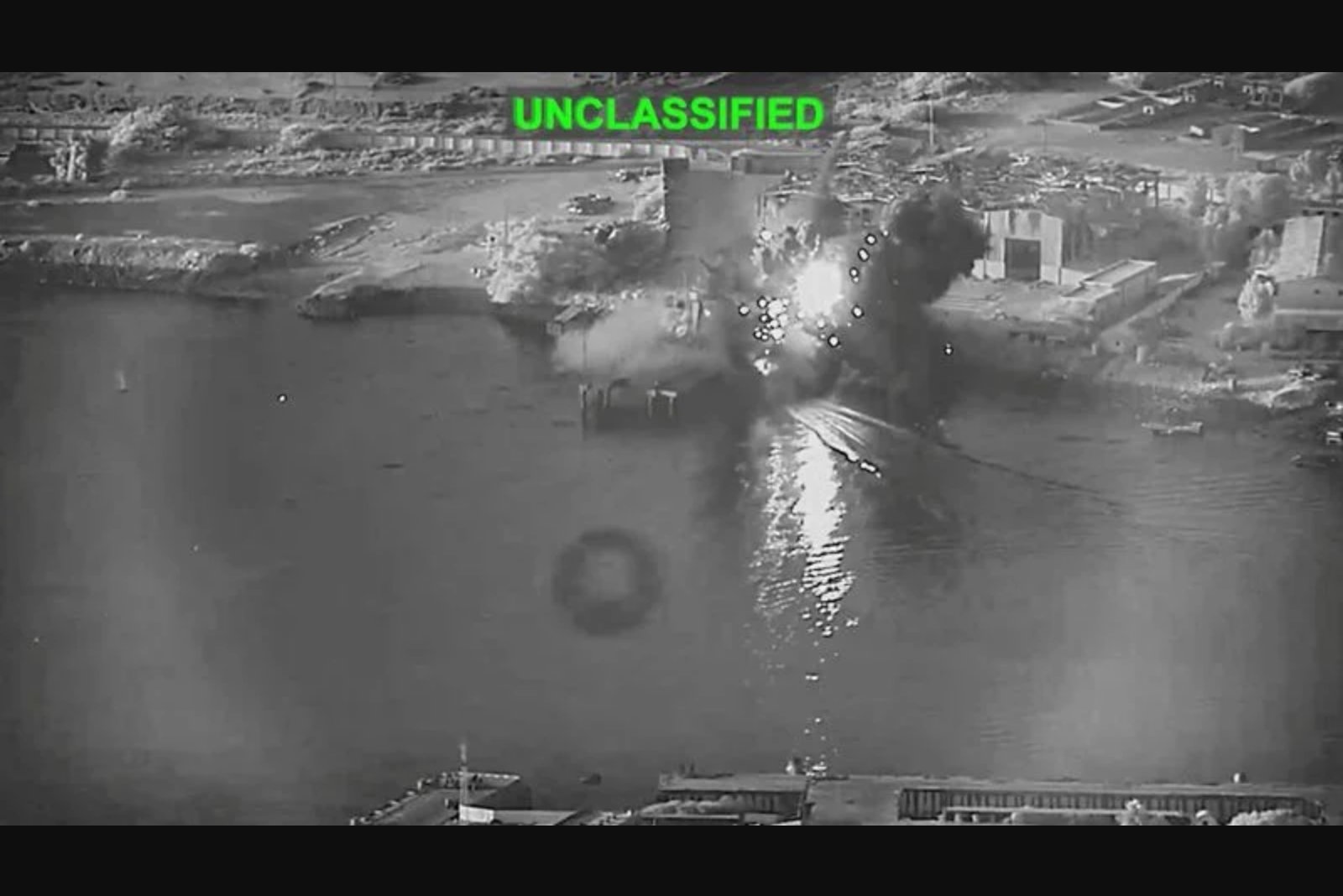
WASHINGTON, July 15 - The U.S. military announced late on Wednesday that it had finished a new wave of strikes on Iran carried out at the direction of President Donald Trump, naming Bandar Abbas among the places hit.
In a message posted on X, U.S. Central Command said: "U.S. forces struck Iranian command centers, air defense sites, missile and drone capabilities, and coastal surveillance facilities." The statement added that the military targeted locations in multiple areas, specifically mentioning Bandar Abbas, which it described as home to "Iran's largest port and key navy and Revolutionary Guards facilities on the Strait of Hormuz."
The Central Command message also said: "Earlier this morning, American forces struck coastal defense and cruise missile sites on Greater Tunb Island during a 90-minute wave."
These strikes occurred against a backdrop of renewed verbal threats by President Trump. The statement noted that Trump this week reiterated threats to hit Iranian energy targets and also said he would consider targeting bridges next week.
Observers and legal experts have highlighted constraints under international humanitarian law. The article notes that the 1949 Geneva Conventions prohibit attacks on sites considered essential for civilians. It also states that, after earlier threats this year to strike such targets, international law experts in the U.S. had warned those attacks may amount to war crimes.
The piece further records that President Trump faced condemnation in April when he threatened to "destroy Iran's entire civilization" before reaching a ceasefire with Tehran.
On the broader conflict, the article states that the Iran war began when the U.S. and Israel attacked Iran on February 28, and that Iran then responded with strikes on Israel and Gulf states that host U.S. bases. It adds that U.S.-Israeli strikes on Iran and Israeli attacks on Lebanon during the war have killed thousands and displaced millions.
Market effects are also mentioned: the war has pushed up oil prices and shaken markets around the world. The article connects military developments and public threats to ongoing volatility in energy and financial markets.
Key points
- U.S. Central Command said strikes hit command centers, air defenses, missile and drone capabilities, and coastal surveillance sites, including in Bandar Abbas and on Greater Tunb Island.
- The actions and accompanying threats to target energy infrastructure have direct implications for the energy sector and for global market volatility, as evidenced by rising oil prices and shaken markets.
- Military and naval facilities cited in Bandar Abbas tie the strikes to strategic shipping lanes on the Strait of Hormuz and to regional defense postures.
Risks and uncertainties
- Legal and humanitarian risk: The 1949 Geneva Conventions prohibit attacks on sites essential for civilians, and past threats to strike such infrastructure have prompted U.S. international law experts to say those attacks may amount to war crimes.
- Humanitarian toll: The conflict has already resulted in thousands of deaths and the displacement of millions, introducing ongoing humanitarian uncertainty.
- Market and energy disruption: The strikes and threats to target energy facilities have contributed to oil price increases and broader market instability, affecting the energy sector and financial markets.