
Commodities June 15, 2026 12:04 PM

U.S. and Iran Sign MoU to End Nearly Four-Month War; Hormuz Shipping Set to Climb

Officials say a formal ceremony is planned and strait traffic will increase gradually, with markets showing relief

By Leila Farooq
Share
Twitter Reddit Facebook LinkedIn

The United States and Iran have signed a memorandum of understanding intended to bring a close to an almost four-month conflict, senior U.S. officials said. A signing ceremony is scheduled for Friday, and shipping through the Strait of Hormuz is expected to increase gradually rather than immediately return to pre-conflict levels. The agreement, while still a framework, was described as a major step toward halting hostilities that have disrupted energy markets and caused significant loss of life.

U.S. and Iran Sign MoU to End Nearly Four-Month War; Hormuz Shipping Set to Climb
Summarize with
ChatGPT Perplexity Claude Grok Gemini

Key Points

  • The United States and Iran have signed a memorandum of understanding aimed at ending nearly four months of conflict; a signing ceremony is planned for Friday - impacts political and diplomatic sectors.
  • U.S. officials said shipping traffic in the Strait of Hormuz will increase gradually, not immediately returning to pre-conflict levels - affects shipping and energy markets.
  • The agreement is a framework that may depend on ending hostilities in Lebanon and defers discussions on Iran’s nuclear program - relevant to regional security and energy-market stability.

Senior U.S. officials announced on Monday that the United States and Iran have signed a memorandum of understanding designed to end nearly four months of warfare. The official said a formal signing ceremony will take place on Friday.

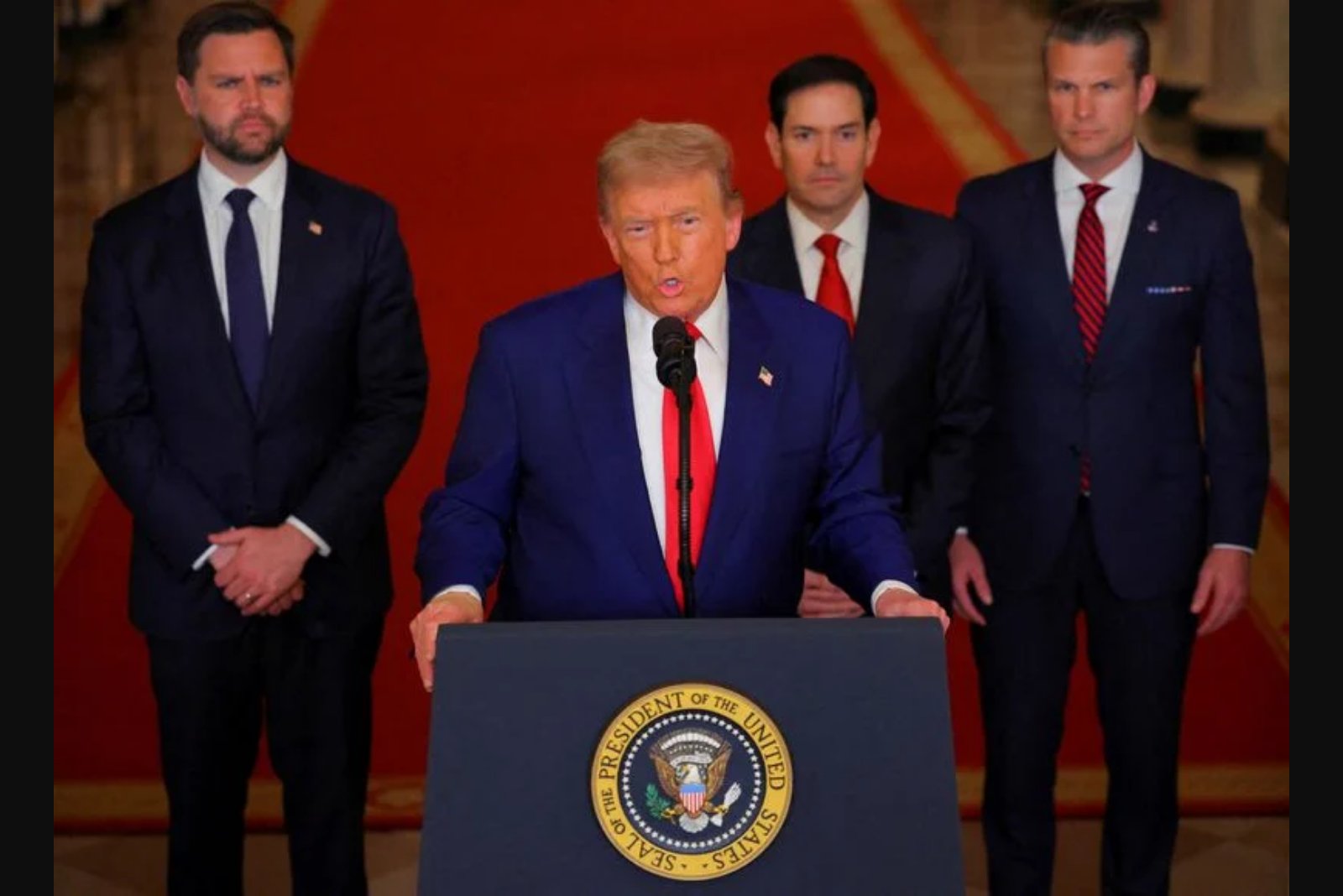
One U.S. official said the memorandum has been signed by President Donald Trump and Vice President JD Vance for the United States, and by Iranian parliament speaker Mohammad Bagher Qalibaf for Iran. The official spoke on the condition of anonymity during a briefing with reporters.

On the prospects for maritime traffic through the Strait of Hormuz, the same U.S. official said: "You will see significant increase in traffic in the Strait of Hormuz, actually starting already, and that will ramp up slowly over time." The official added, "We probably won’t return to normal in two weeks, but we will see a significant increase in strait traffic."

The two sides said they have agreed terms to end the conflict and to reopen the strait. The announcement produced a positive reaction in markets, reflecting relief that energy flows could begin to normalize.

The memorandum remains a framework rather than a detailed settlement and includes conditions. According to the officials, the pact may depend on an end to hostilities in Lebanon and defers further talks on Iran’s nuclear program. The agreement was characterized by U.S. officials as the most substantial breakthrough toward resolving the conflict since it started with joint U.S.-Israeli strikes on Iran in February.

Officials noted that the conflict has led to substantial casualties and significant disruption in energy markets. While the memorandum of understanding signals movement toward de-escalation and reopening of a key shipping lane, the process to restore full and sustained traffic is expected to be gradual.


Summary

The United States and Iran have signed a memorandum of understanding intended to end an almost four-month conflict. A signing ceremony is scheduled for Friday. U.S. officials said shipping through the Strait of Hormuz will increase gradually, with full normalization unlikely within two weeks. The deal is a framework that could hinge on ending hostilities in Lebanon and postpones talks on Iran’s nuclear program.

Risks

  • The memorandum is still a framework and may hinge on an end to hostilities in Lebanon, creating uncertainty for how quickly peace and normal shipping will be realized - this poses risks to energy and shipping markets.
  • Talks on Tehran’s nuclear program are deferred under the agreement, leaving a potential source of future diplomatic friction unresolved - a continued uncertainty for geopolitical risk assessments.

More from Commodities

U.S. Soybean Crushing Slows in May to Lowest Daily Rate Since Last September Jun 15, 2026 Sugar markets steady after U.S.-Iran pact cools energy prices Jun 15, 2026 Reopening Strait of Hormuz to Restore Flows, but Middle East Oil and Gas Output Will Take Months or Years to Normalize Jun 15, 2026 Grain Futures Slide After U.S.-Iran Accord; Oil Drop Weakens Biofuel Demand Jun 15, 2026 Vance Says Agreement Text to End Iran War and Reopen Strait Expected This Week Jun 15, 2026