
Overview
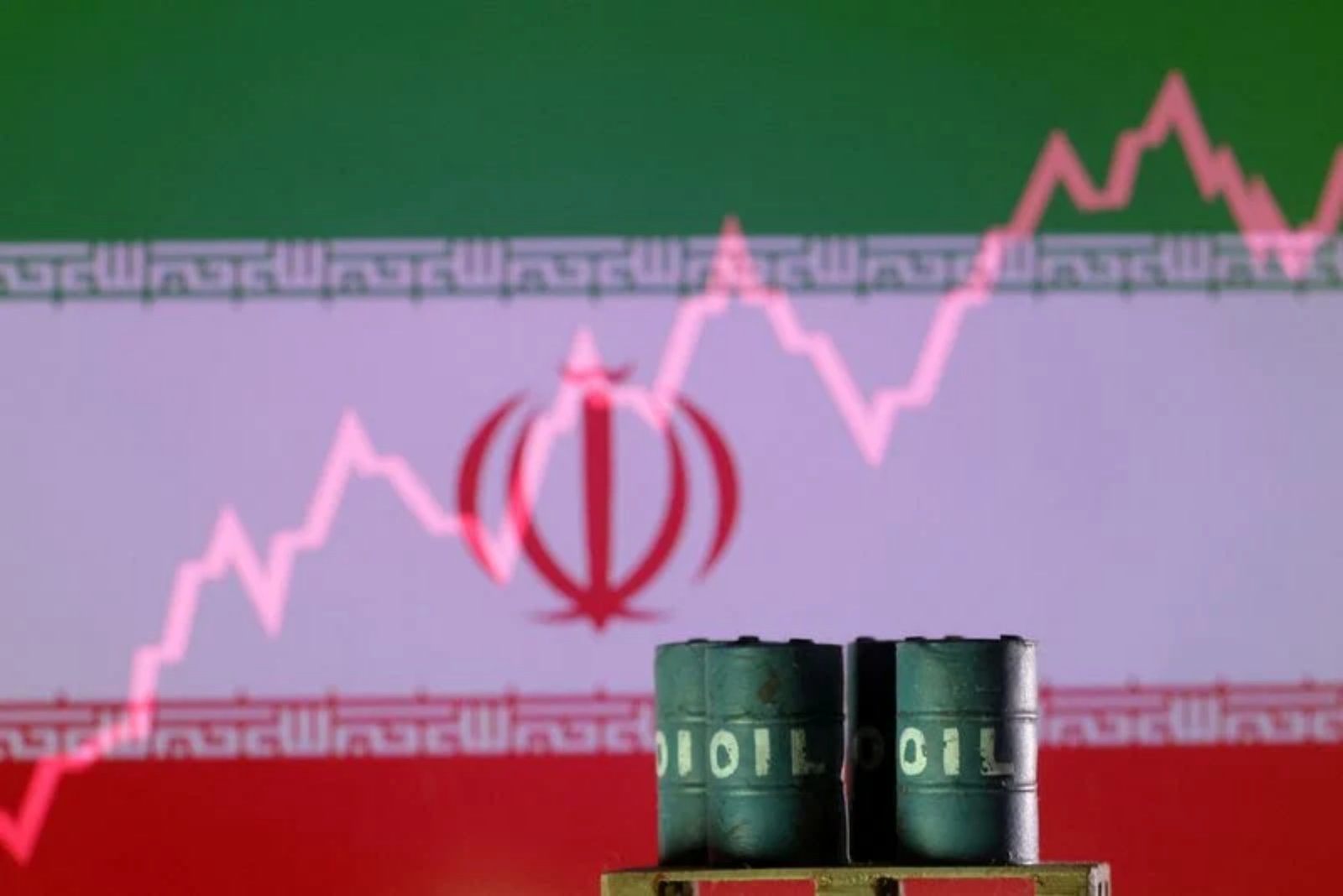
Iran has started exploratory talks with Japanese firms over potential crude purchases under a U.S. sanctions waiver that permits limited oil exports during a 60-day diplomatic window, according to multiple Iranian and Western sources. The waiver was issued on June 22 and is due to expire on August 21.
Buyers and initial contact
Two Iranian sources said three Japanese buyers were examining possible purchases of Iranian crude, which would be their first since 2019. Separately, a Western industry source said Japanese and Iranian officials have engaged in preliminary discussions about potential oil sales.
An official at Japan’s Ministry of Economy, Trade and Industry (METI), which oversees fuel supply infrastructure, said he was unaware of any such talks. Japan’s foreign ministry and the U.S. Treasury did not immediately respond to requests for comment.
Terms sought by buyers and logistics
Prospective buyers are reportedly seeking an extension of the current temporary waiver and want reassurances about tanker safety for voyages between Iran and Japan. A senior Iranian official noted that, given the time required for shipping between the two countries, any transaction would likely depend on the United States extending the waiver. The same official added that cargoes would be loaded at Iran’s Kharg Island and could employ Japanese-operated tankers.
A senior official at a Japanese oil refiner said obtaining insurance would be the principal challenge for such shipments. Another METI official has said purchases would be decisions for private companies and acknowledged uncertainty over whether deals would proceed because of shipping times and existing contractual commitments.
Iran's outreach and customer base
A senior Iranian oil ministry official said Iran’s national oil company, NIOC, had approached its traditional customers, including Japan, and indicated that if a peace agreement led to the lifting of sanctions, Tehran would like them to resume buying Iranian crude. Iran has relied primarily on China as its main customer in recent years.
Security in the Strait of Hormuz
Security in the Strait of Hormuz remains a major concern. The passage is described as far from safe, and the operational arrangements that would follow any lasting peace deal between Tehran and Washington are not yet known. Last week a container ship was attacked in the strait by Iranian forces, and Iran’s Islamic Revolutionary Guard Corps has said all transits through the waterway must be cleared with them in advance.
The U.N. shipping agency estimates there are 80 floating mines in the central part of the strait, underscoring navigational hazards for tankers. Those conditions heighten the difficulty of securing insurance and safe passage for oil cargoes.
Market implications and likely buyers
Trade participants and analysts cited in reports say the temporary U.S. waiver is unlikely to prompt purchases from well-stocked Asian refiners. Under the current conditions, independent Chinese refineries are viewed as the most probable buyers for any Iranian cargoes shipped under the waiver.
In sum, while formal talks and interest from Japanese buyers mark a notable development, the short duration of the waiver, shipping safety concerns, insurance hurdles, and the open question of how transit through the Strait of Hormuz will be managed all present clear constraints on the pace and scale of any immediate resumption of sales.