
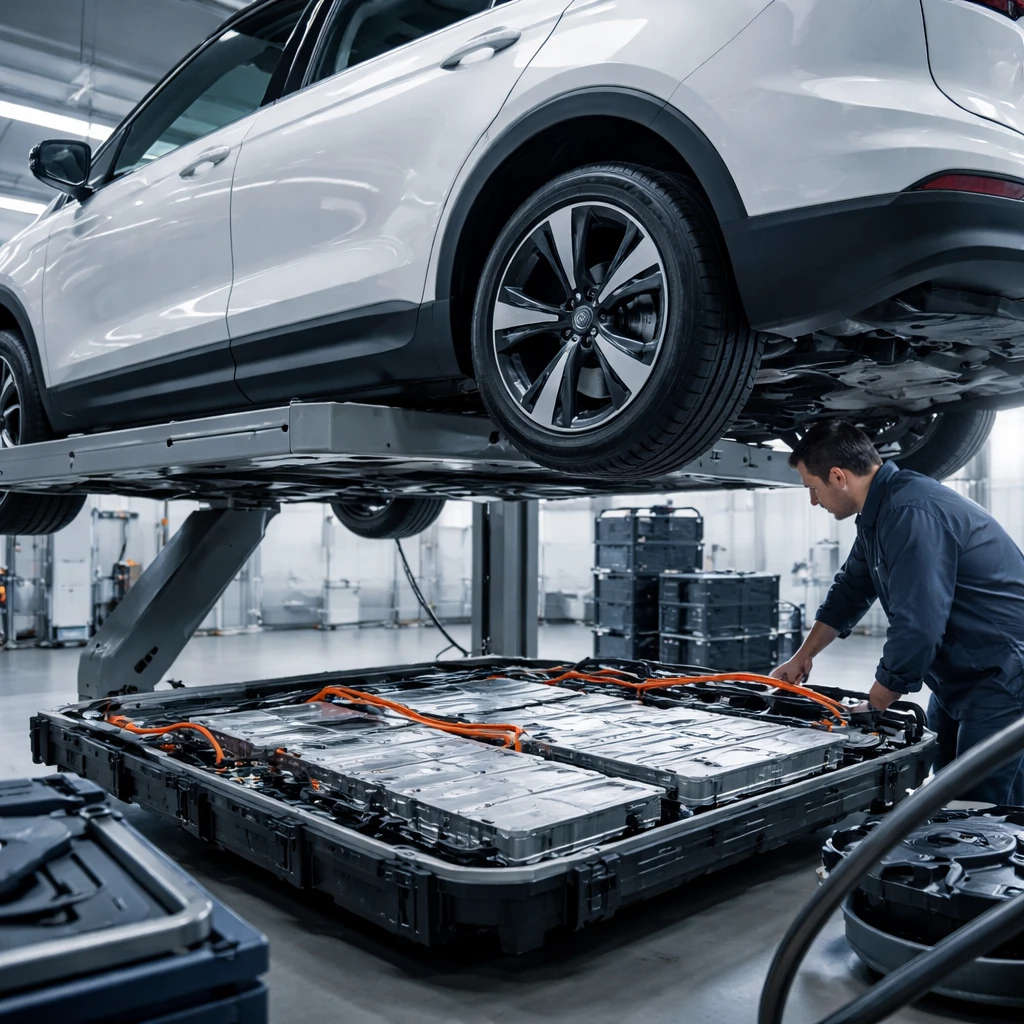
New performance data suggest modern electric vehicle batteries are lasting substantially longer than many industry observers expected. Analysis from battery analytics firm Recurrent finds that, on average, an electric vehicle preserves up to 95% of its initial driving range after five years of use.
The analysis also details a marked decline in battery replacement rates. Among EVs built since 2022, only 0.3% have required a battery replacement. That compares with roughly one in 12 vehicles produced in the 2011-2016 period.
According to the data, improvements in battery chemistry, thermal management systems and vehicle software have contributed to longer battery life. These enhancements have allowed many contemporary electric vehicles to remain capable of long-distance driving even after several hundred thousand miles on the odometer.
Still, consumer perceptions have not caught up with the technical progress. Survey evidence continues to show that concerns over battery replacement costs are the leading reason some potential buyers hesitate to switch to electric vehicles. Automakers have taken steps to address that anxiety by designing battery assemblies that are easier and less costly to repair.
Industry researchers point to declining replacement costs as another factor helping the economics of EV ownership. More manufacturers are permitting repair of individual battery modules rather than replacing an entire battery pack, and battery prices have fallen by more than 90% since 2010, improving long-term ownership math for many owners.
Charging behavior still has an important influence on battery health. Studies show that frequent use of high-power DC fast charging and regular charging to a full 100% state of charge can accelerate battery degradation. Conversely, more moderate charging practices tend to better preserve driving range over time.
The battery durability data arrive as the U.S. electric vehicle market experiences slower sales following the rollback of federal incentives. Despite the near-term softness, analysts continue to expect electric vehicles to capture a larger share of global auto sales over the remainder of the decade.
Growing evidence of improved battery longevity could help shore up consumer confidence as automakers maintain investment in next-generation electric vehicle technologies. Whether that confidence translates into faster adoption will depend on how perceptions about replacement costs evolve alongside continued technical improvements and changing market incentives.
Summary
Recurrent analytics indicate modern EVs keep up to 95% of range after five years, and battery replacement rates have fallen to 0.3% for vehicles built since 2022 versus about one in 12 for 2011-2016 models. Advances in chemistry, thermal management and software are cited as drivers of durability, while consumer worries over replacement costs remain a top deterrent to wider EV adoption. Charging habits affect degradation, and battery prices have dropped over 90% since 2010. The U.S. market has slowed after a rollback of federal incentives, though analysts still expect EVs to gain market share globally through the decade.