
BrenX Ltd. stock climbed 6.4% in pre-open trading to $2.82, extending a period of high volatility for the micro-cap clean energy company after a significant corporate overhaul earlier this month. There was no specific company announcement dated today to explain the move. Instead, market participants appear to be continuing to revalue the business following its recent rebranding from Brenmiller Energy Ltd. to BrenX Ltd., with shares trading under the BRNX ticker since August 14.
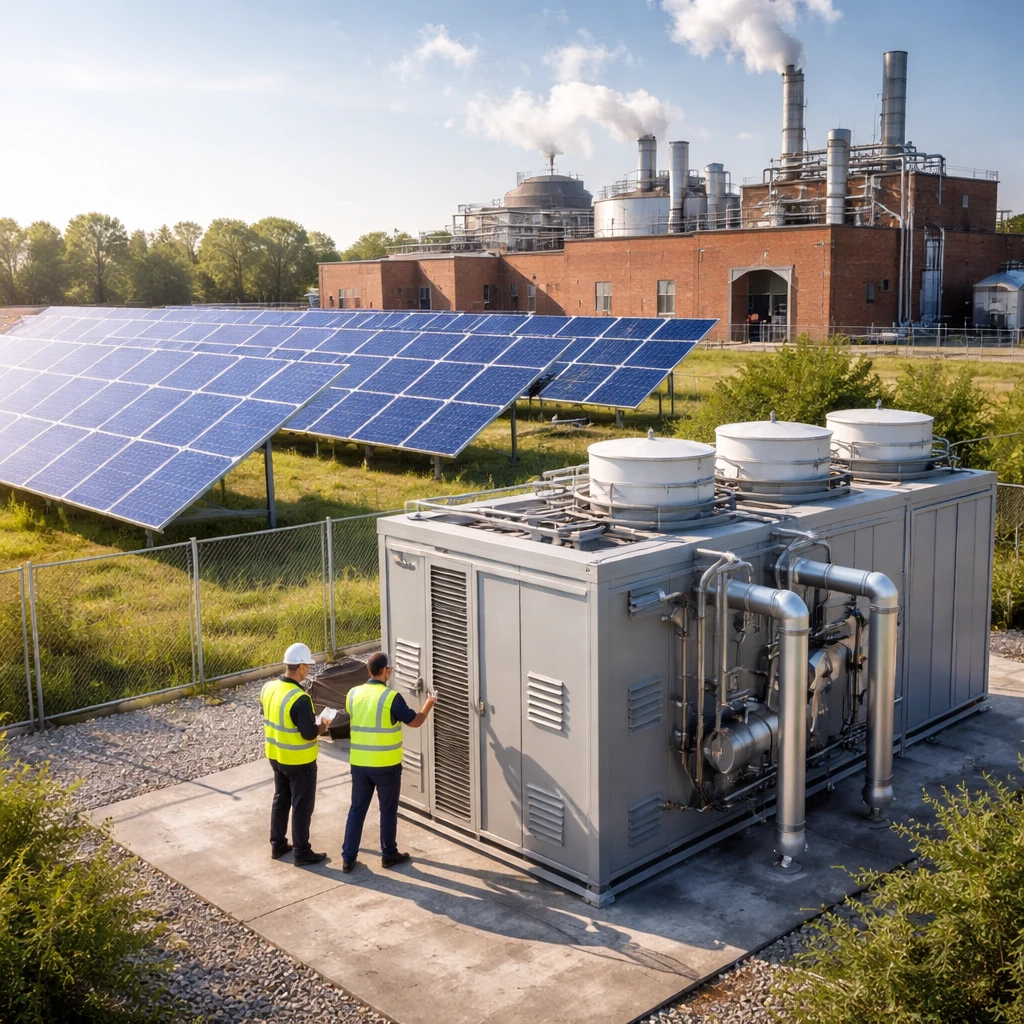
The name change was accompanied by a set of operational and corporate developments that have kept investor attention focused on the company. Among these developments, BrenX announced completion of its flagship 32 MWh bGen™ thermal storage system for Tempo Beverages, which was connected to the customer’s steam network and entered commissioning and operational testing. In addition, the company acquired an operating 1.2 MWp solar facility in Hungary and executed a term sheet for adjacent industrial land and photovoltaic infrastructure.
Those moves signal a deliberate pivot in the company’s stated approach - shifting emphasis from one-off equipment sales to owning and operating energy assets. Around the same time, the board approved an expansion of the equity incentive share pool, adding to the cluster of corporate activity tied to the new corporate identity.
Broad market action provided little directional guidance for the stock’s rise. In pre-market trade the S&P 500 was fractionally higher while the Nasdaq was marginally lower, offering neither a clear tailwind nor headwind for the clean energy segment. Given BrenX’s status as a micro-cap with an approximate market capitalization of $2 million, the share price is particularly vulnerable to large percentage moves on relatively light trading volume.
The company’s 52-week trading range highlights its history of extreme price swings, with a low of $2.062 and a high of $512.40. That range underscores how quickly market sentiment has shifted for the stock over the past year.
Taken together, today’s pre-market gain appears to be the later phase of a momentum wave tied to BrenX’s strategic repositioning rather than the result of a discrete new catalyst. Management’s stated pivot toward integrated industrial energy solutions - combining thermal storage, renewable generation and intelligent energy management - has altered investor expectations. In a lightly traded micro-cap, that narrative alone can sustain price movement beyond the initial announcement period.
Summary
BrenX rose 6.4% in pre-market trading to $2.82 amid continued investor interest following its rebrand and a set of operational and acquisition activities that position the company toward owning energy assets. No new company-specific announcement was identified for today; broader market indices offered little directional influence. The stock’s small market capitalization and thin volume contribute to outsized volatility.
Key points
- BrenX gained 6.4% pre-market to $2.82 after rebranding and strategic updates.
- Operational milestones include completion and commissioning of a 32 MWh bGen™ thermal storage system for Tempo Beverages, and acquisition of a 1.2 MWp solar facility in Hungary plus a term sheet for adjacent land and PV infrastructure - reflecting a move toward owning energy assets.
- The company has a market capitalization of roughly $2 million and a 52-week range of $2.062 to $512.40, illustrating material historic volatility; broader indices were mixed and did not provide a clear market catalyst.
Risks and uncertainties
- Price volatility risk - As a micro-cap with light trading volume and a market cap near $2 million, BRNX is susceptible to outsized price swings, which impacts investors in the small-cap and clean energy sectors.
- Catalyst ambiguity - Today’s move appears driven by lingering momentum from prior announcements rather than any new, discrete company disclosure, which may leave the stock vulnerable to reversals absent fresh operational or financial news.
- Execution and integration risk - The company’s strategic shift toward owning and operating energy assets raises execution demands related to asset integration, operations and management, which could affect performance in the renewable generation and industrial energy segments.