
Georgia’s judiciary on Thursday sentenced ten individuals to lengthy terms after finding them guilty of crimes tied to disturbances that took place during last year’s municipal elections. The defendants were convicted on charges that included organising group violence and publicly calling for the violent change of the constitutional order and the overthrow of the state government, according to a statement from the prosecutor’s office.
Among those convicted was Paata Burchuladze, a prominent opera singer and activist. Burchuladze and four others received seven-year prison sentences. Four additional defendants were handed five-year terms, and one individual was sentenced in absentia to two years.
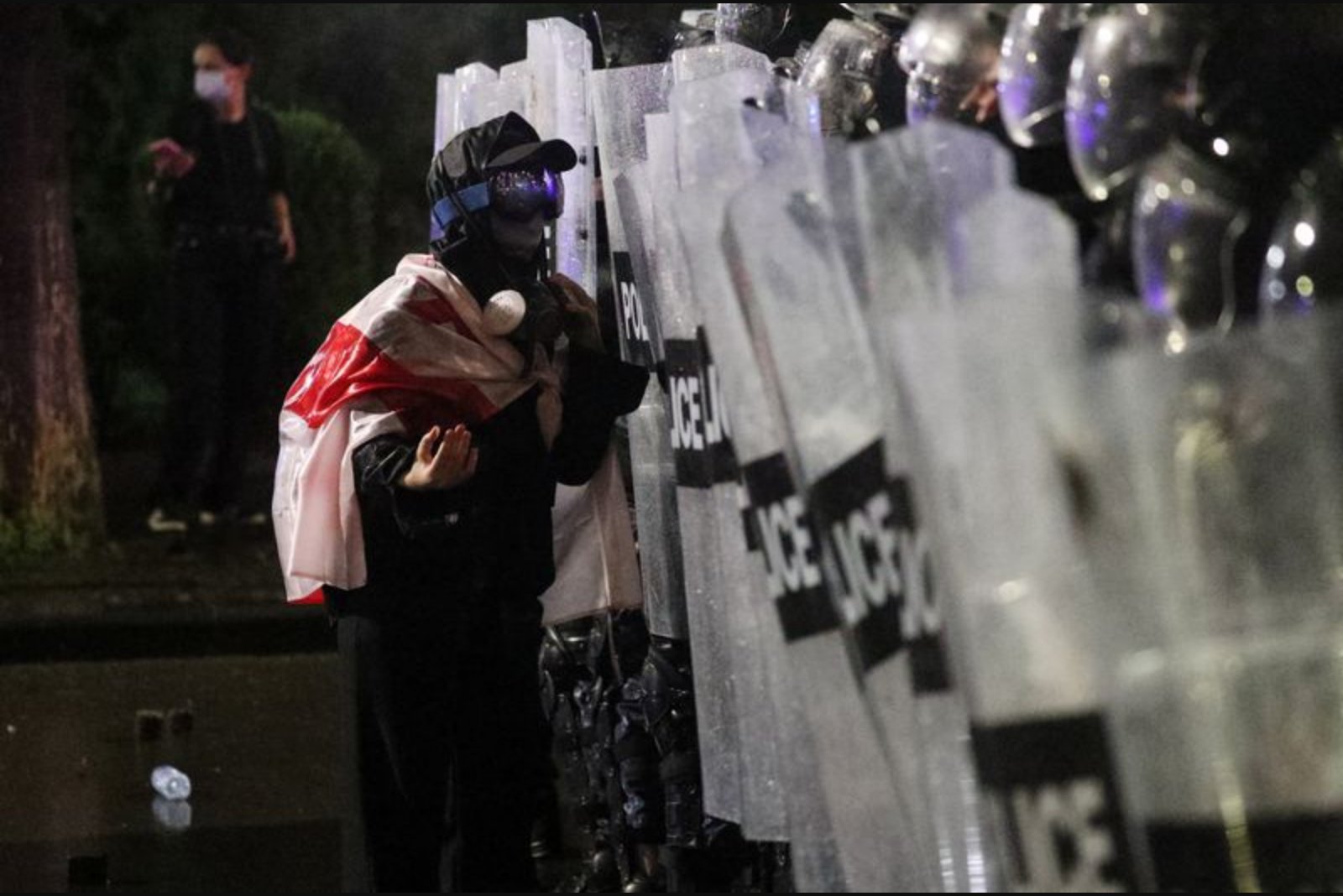
The convictions relate to unrest that flared on the night of the October 4 vote, when Georgian riot police used pepper spray and water cannon to disperse demonstrators. The municipal elections were broadly boycotted by the two largest opposition blocs amid a political standoff with the ruling Georgian Dream party, which has governed since 2012.
Shortly before polls closed on election day, a group of demonstrators tried to force entry into the presidential palace in the capital, Tbilisi. Police arrested five activists that night, and prosecutors ultimately charged ten people in connection with the events, including Burchuladze and several opposition politicians.
The mass demonstrations did not end with the vote. The article states that Georgians have been protesting nightly since November 2024 after the government announced it was freezing accession talks with the European Union. That decision abruptly halted a longstanding national objective and fueled further public unrest.
Opposition leaders had been calling for what they described as a "peaceful revolution" against Georgian Dream. They accuse the ruling party of pursuing policies they characterise as pro-Russian and authoritarian. The article notes that government opponents say Georgian Dream is moving Tbilisi away from its traditional Western orientation and closer to Russia’s orbit, a trend they link to political developments after Moscow’s invasion of Ukraine in 2022.
In its official statement on the convictions, the prosecutor’s office said the ten had "decided to organise group violent actions," and alleged that they damaged government property, set fires and illegally erected barricades during the demonstrations.
Transparency International Georgia, represented by director Eka Gigauri, issued a statement characterising the sentencings as illustrative of "a clear pattern of punishment aimed at silencing those who oppose the ruling party’s pro-Russian policies and who peacefully defend Georgia’s democratic future in the face of increasing authoritarianism."
Georgian media outlets quoted Burchuladze and two other convicted figures as rejecting the charges, describing them as absurd and saying they regretted nothing.
The convictions mark a significant judicial response to the events surrounding last year’s municipal vote and the continuing street protests that followed. The prosecutor’s account highlights allegations of organised violent action and property damage, while critics view the court rulings as part of a broader political crackdown.
Key points
- Ten people convicted for their roles in violence and attempts to overthrow the government during the municipal elections; sentences range from two years in absentia to seven years in prison.
- Police used pepper spray and water cannon on the night of the October 4 vote, which was boycotted by the two largest opposition blocs amid a standoff with the ruling Georgian Dream party.
- Protests have continued nightly since November 2024 after the government froze EU accession talks, a move that opponents say signals a shift away from a Western trajectory.
Risks and uncertainties
- Political polarisation and ongoing nightly protests increase uncertainty about the country’s short-term political stability. The article documents sustained demonstrations but does not specify wider economic outcomes.
- Critics allege a pattern of punitive legal action against opponents, which introduces uncertainty about the space for political dissent and the trajectory of governance. The article reports watchdog concerns but does not provide judicial or legislative follow-up details.
- The freezing of EU accession talks has already prompted nightly protests and remains an unresolved source of public discontent; the article does not detail the government’s next steps on those talks.