
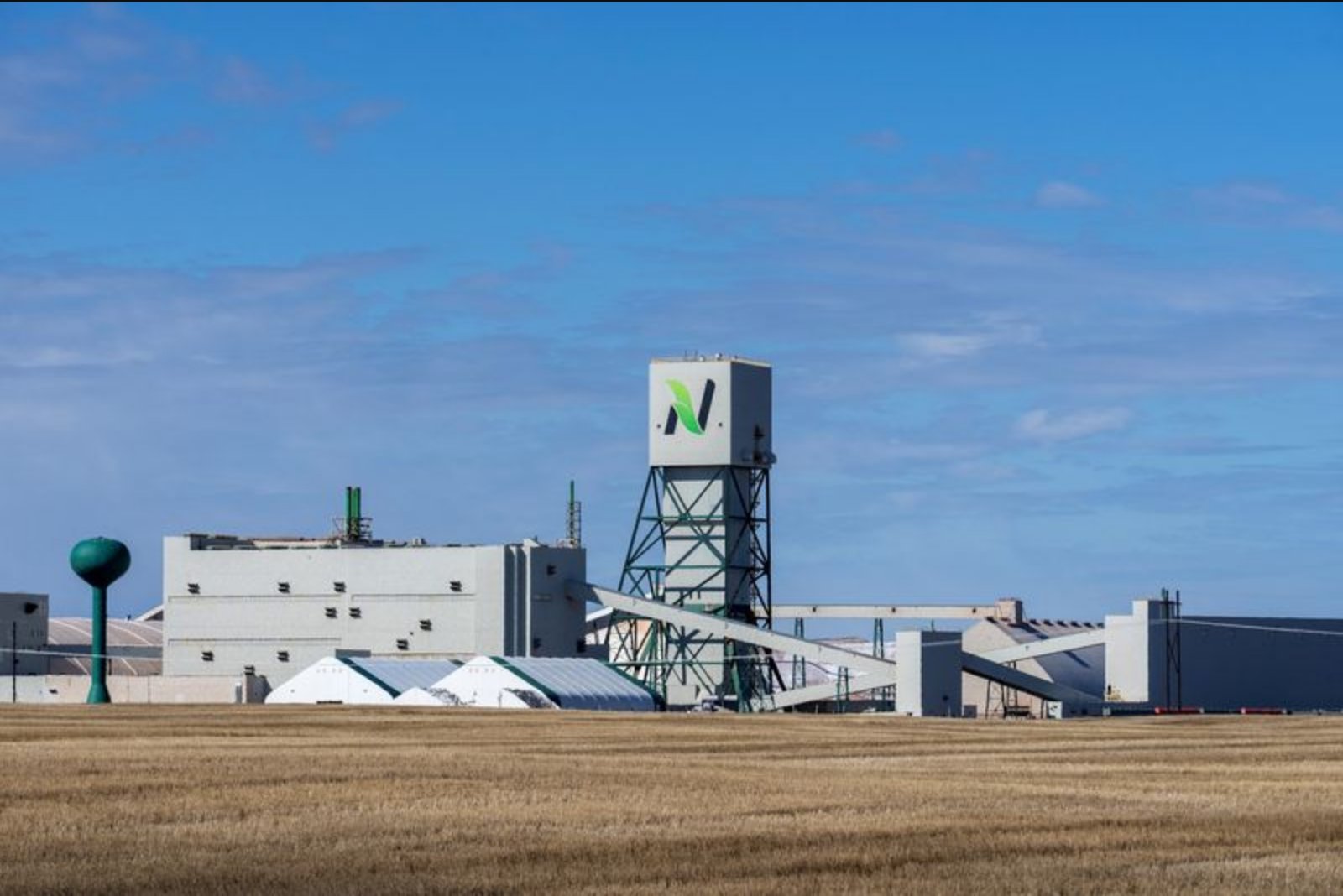
Summary: Elevated nitrogen prices driven by disruptions to natural gas supplies in the Middle East have tightened global nitrogen availability and lifted margins for North American nitrogen producers. CF Industries and Nutrien are poised to report substantially stronger quarterly results, while Mosaic faces a more mixed outlook because of its heavier exposure to phosphate and potash.
Nitrogen-focused fertilizer makers are positioned to report improved quarterly profitability as a surge in nitrogen prices - prompted by constrained natural gas flows from the Middle East - enhances margins. The full benefit of this pricing environment may continue to unfold over subsequent quarters, analysts say.
Analysts expect firms that concentrate on nitrogen-based products, including CF Industries and Nutrien, to outperform peers that derive a larger share of earnings from potash and phosphate, such as Mosaic. LSEG data shows CF Industries and Nutrien are forecast to record combined net income of about $619 million for the first quarter, compared with $388 million in the year-earlier period.
The root of the recent price move lies in disruptions to Middle Eastern natural gas supply associated with the U.S.-Israeli war on Iran. Although the Middle East itself produces little finished nitrogen fertilizer, the region supplies natural gas that acts as the feedstock for fertilizer production in Europe and Asia. Interruptions to those gas flows have tightened global nitrogen supply, creating upward pressure on prices.
That dynamic has handed a relative advantage to North American producers. With access to comparatively stable and lower-cost natural gas inputs, U.S. and Canadian companies stand to gain as global supply tightens and as exports from Gulf-producing regions become constrained, according to analysts at Morningstar.
Physical market indicators reflect the move. Josh Linville, vice president for fertilizer at financial services firm StoneX, said urea barge prices at New Orleans have risen by more than 46% since February 28, when the conflict escalated. StoneX data indicates urea prices averaged about $490 per short ton in the first quarter, up from roughly $375 a year earlier.
"We’ve never seen anything like this before," Linville said, pointing to significant global nitrogen supply losses that are pushing prices higher while U.S. producers’ input costs remain relatively steady. The market reaction has also prompted U.S. buyers to arbitrage urea cargoes at New Orleans, redirecting some shipments overseas to capture higher global prices and tightening domestic availability.
Nitrogen fertilizers - commonly applied as urea or urea-ammonium nitrate during the spring planting window - typically experience a concentrated, time-bound surge in demand. That seasonal profile tends to magnify price moves when supply shocks occur, further lifting realized prices for producers during the planting season.
RBC Capital Markets analyst Andrew Wong said nitrogen-focused pure plays are likely the primary beneficiaries of higher prices, but he cautioned that current valuations may already reflect much of the windfall. Wong added that a larger earnings impact is more likely to materialize in the second quarter.
Market timing for company disclosures is near: Nutrien and CF are scheduled to report results on Wednesday, with Mosaic slated to report on May 11.
Outside the nitrogen rally - Mosaic's position
Mosaic’s portfolio, which has no nitrogen production, faces a mixed outlook amid the uneven fertilizer market. While phosphate prices have firmed, Mosaic’s margins are expected to remain under pressure due to higher costs for sulphur and ammonia. Potash markets are comparatively subdued and represent one of the more affordable fertilizer segments at present.
Mizuho analyst Edlain Rodriguez warned that if fertilizer prices rise too quickly, affordability concerns could reappear and depress volumes. Rodriguez noted that farmers might reduce phosphate application rates in response to higher costs, a development that would weigh on demand and could affect Mosaic’s near-term performance.
Implications
- A nitrogen-driven earnings boost could favor North American nitrogen producers in the near term.
- Firms with heavier phosphate and potash exposure may face margin pressure from rising input costs and softer end-market affordability.
- Physical market distortions from arbitrage and redirected shipments can tighten domestic supply even as global prices climb.
The evolving situation highlights how disruptions in energy feedstocks can transmit through fertilizer supply chains and influence crop input costs, with differing impacts across fertilizer sub-sectors.