
Stock Markets May 4, 2026 01:41 PM

Judge Questions Scope of New Mexico’s Proposed Remedies in Meta Youth Harm Case

As the trial moves into a remedies phase, the presiding judge warns against turning the courtroom into a policy-making body

By Ajmal Hussain META
Judge Questions Scope of New Mexico’s Proposed Remedies in Meta Youth Harm Case
META

The judge overseeing New Mexico’s lawsuit against Meta Platforms signaled concern that some of the platform changes sought by the state could constitute judicial overreach. With the case entering a second phase focused on remedies, the court will consider whether Facebook and Instagram constitute a public nuisance under state law, which could permit broad orders aimed at limiting harms to young users.

Key Points

  • Judge Bryan Biedscheid expressed concern that some remedies sought by New Mexico could exceed the judiciary’s role and amount to policymaking.
  • The case proceeds to a second phase in which the court will decide whether Facebook and Instagram constitute a public nuisance under New Mexico law, potentially allowing broad remedies.
  • The dispute stems from a lawsuit by New Mexico Attorney General Raúl Torrez alleging Meta designed its platforms to addict young users and failed to protect children from sexual exploitation; a jury previously awarded $375 million for consumer protection violations.

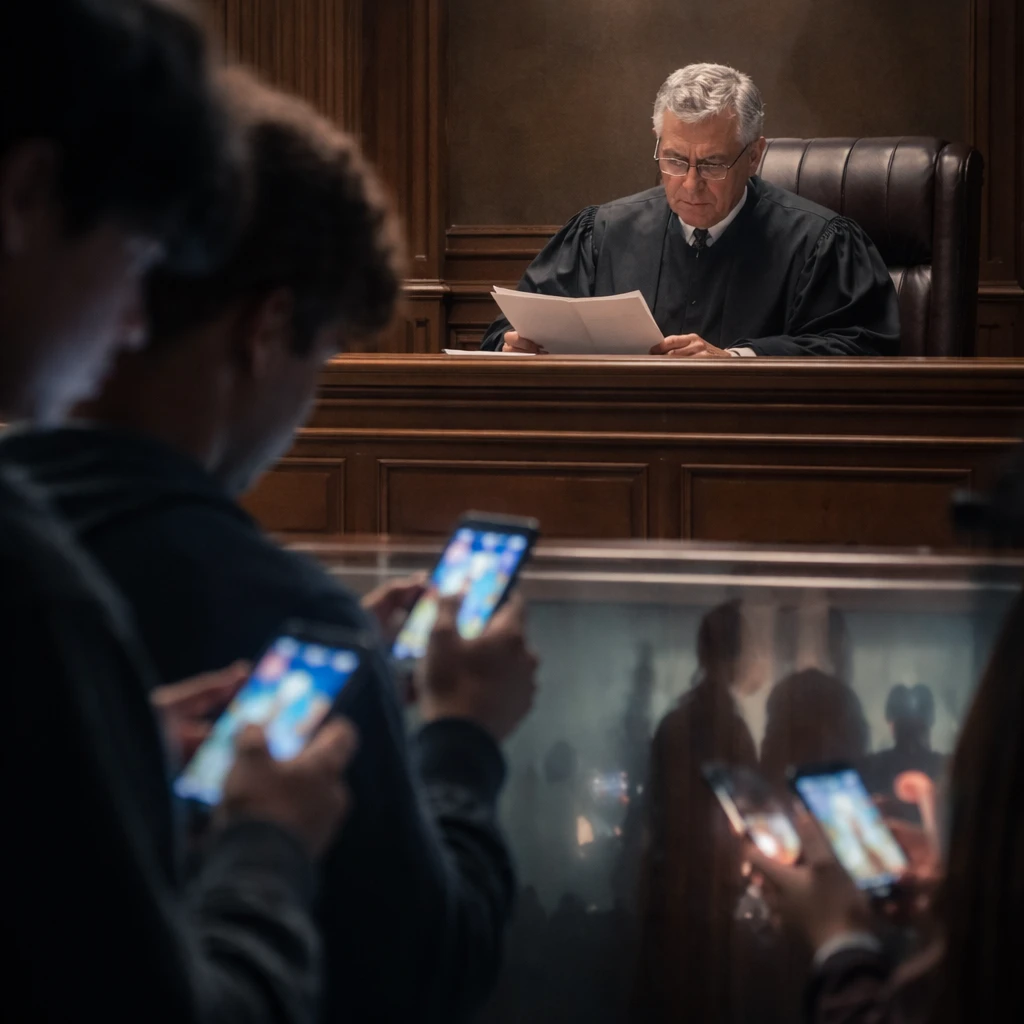
In the New Mexico lawsuit brought by the state attorney general, the judge in charge of the trial voiced reservations on Monday about some of the changes New Mexico is asking a court to impose on Meta Platforms. Judge Bryan Biedscheid told parties before opening statements that he had reviewed pretrial filings and was troubled that certain requested remedies might extend beyond the court’s proper role.

Addressing the courtroom, the judge stressed the limits of judicial power: "I am a judge, I am not a legislator, I am not a regulator," he said, adding that he wanted to avoid the court assuming the functions of a "one-person legislature." His comments came at the outset of the trial’s second phase, which will focus on whether platform features create a public nuisance under New Mexico law.

The lawsuit, filed by New Mexico Attorney General Raúl Torrez, alleges Meta intentionally designed Facebook and Instagram to foster addictive use among minors and failed to protect children from sexual exploitation. A jury in March found Meta had violated the state’s consumer protection statute by misrepresenting the safety of those platforms for young users and awarded $375 million in damages.

In the current phase of proceedings, Judge Biedscheid will determine whether Facebook and Instagram amount to a public nuisance. If the court finds in favor of the state on that question, New Mexico’s filings ask the judge to order measures aimed at mitigating the alleged harms to youth on the platforms. Such an outcome would permit the court to issue remedies that could be broad in scope.

Judge Biedscheid’s remarks indicate a focus on ensuring any relief ordered by the court remains within judicial authority and addresses proven legal harms without substituting for legislative or regulatory policymaking. The court’s role in the upcoming deliberations will therefore encompass both factual determinations about the platforms and legal judgments about the proper limits of remedial orders under state law.

The trial will continue with consideration of whether the elements of public nuisance are satisfied and, if so, what remedies are permissible under New Mexico law. The court’s decisions in this phase will determine whether the state can obtain court-ordered changes intended to reduce harms to young users on Meta’s Facebook and Instagram platforms.

Risks

  • Judicial overreach risk - The judge warned that certain proposed remedies might turn the court into a de facto policymaker, raising legal and constitutional concerns for the technology and legal sectors.
  • Uncertainty over public nuisance finding - It remains undecided whether the court will find Facebook and Instagram to be a public nuisance, creating uncertainty for social media and technology stakeholders.
  • Potentially broad remedies - If the court finds a public nuisance, it could authorize wide-ranging orders aimed at altering platform behavior, which may have implications for platform governance and product design.

More from Stock Markets

Swiss Senate Panel Pauses Vote on UBS Capital Framework, Will Revisit in August May 4, 2026 Volkswagen Takes $1 Billion Private Stake in Rivian; Shares Tick Higher Intraday May 4, 2026 Mirum Shares Jump After VISTAS Phase 2b Shows Statistically Significant Itch Relief in PSC May 4, 2026 Datavault AI Shares Drop After $60M Registered Direct Offering Announcement May 4, 2026 Airlines Adjust Schedules, Cancel Services Amid Middle East Disruption May 4, 2026