
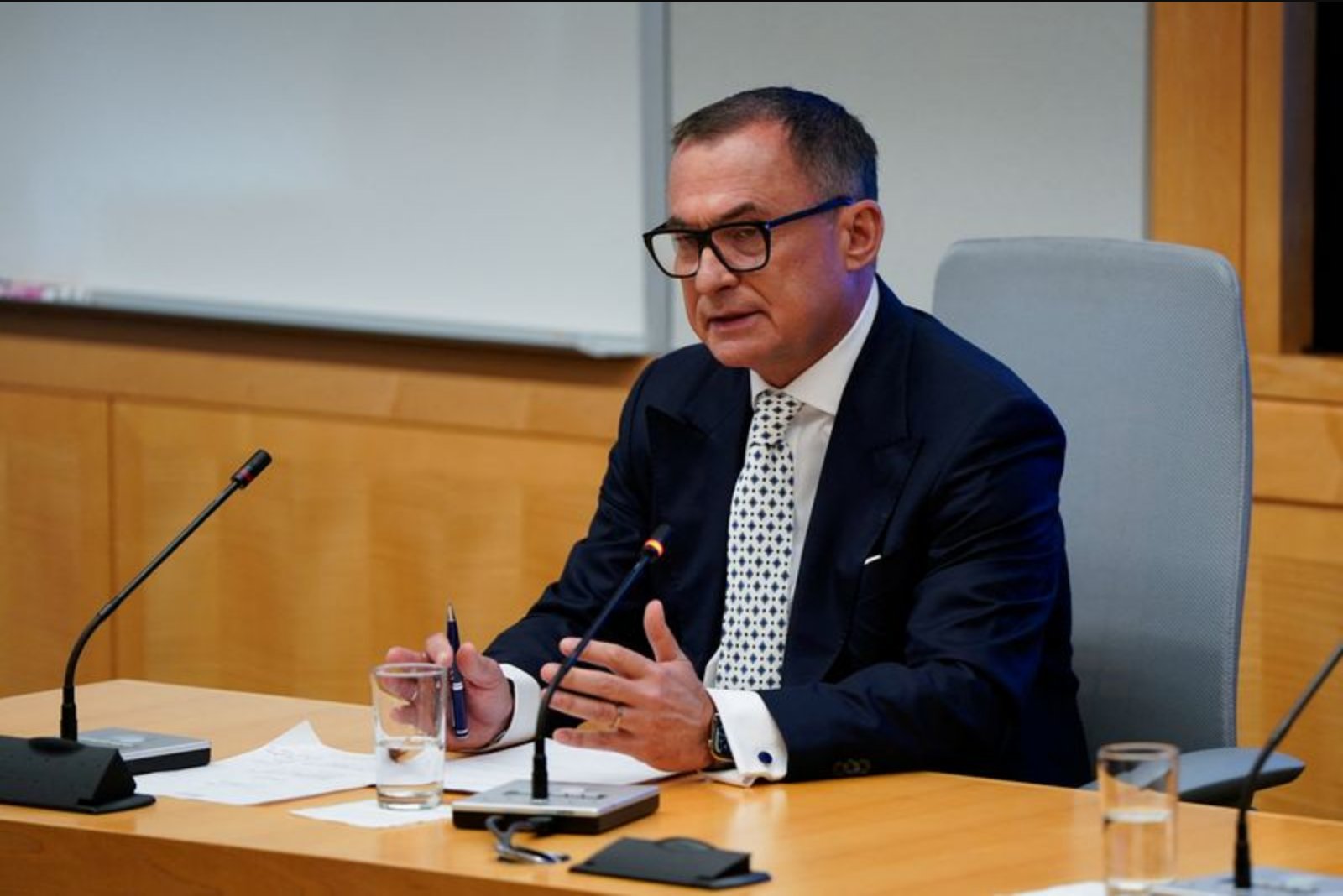
Bundesbank President Joachim Nagel told audiences on Monday in Frankfurt that the European Central Bank may have to raise interest rates in June if the inflation outlook contained in the ECB's forthcoming projections does not improve markedly. The comments add to a chorus of central bank officials who last week debated a rate increase despite the decision to leave policy unchanged.
Nagel reiterated that the ECB debated a hike at its recent meeting and signalled that further tightening could be required in June to prevent the current inflation shock from producing second-round effects that would keep price growth elevated. "If the inflation outlook does not improve significantly in the (June ECB) projections, that would support an interest rate hike," he said in his speech.
Inflation rose to 3% in the month prior to his remarks, and Nagel cautioned it could climb further in the months ahead while oil prices remain above $110 per barrel due to the war in Iran. Those price levels are not far below the energy cost assumptions used in the ECB's "adverse" economic scenario, he noted. While monetary policy has limited ability to bring down energy prices directly, Nagel argued the bank would need to act if it sees signs the initial shock is feeding into a self-sustaining inflation spiral that would keep inflation above the ECB's 2% target.
"It’s clear: the longer the conflict lasts, the greater the risk that inflation will remain elevated if monetary policy doesn’t intervene," Nagel said.
He said the ECB will have to monitor closely how the shock affects wage demands, consumer behaviour and firms' pricing expectations. Those channels are key to determining whether a temporary energy-driven spike becomes more persistent.
Other policymakers have signalled similar concerns. Slovakia's Peter Kazimir and Estonia's Madis Müller have warned that a June increase may be necessary, and market pricing reflects the prospect of a move. Investors, the article said, are expecting three rate hikes before year-end, with the first fully priced in by July and two further increases anticipated in the autumn.
At the same time, Nagel sought to put the current episode in context by saying it is less severe than the inflation shock seen in 2022. Then, the ECB raised rates at a record pace and inflation reached double digits. Nagel attributed the difference in part to the fact that interest rates are already higher than in 2022 and that the current inflation rate is materially lower.
The comments underscore the tightrope facing the ECB: limited influence over international energy markets, yet a responsibility to prevent transitory shocks from triggering broader inflation dynamics that could entrench above-target price growth. Observers and markets will be watching the June projections closely for signals on whether policy will move again in the near term.