
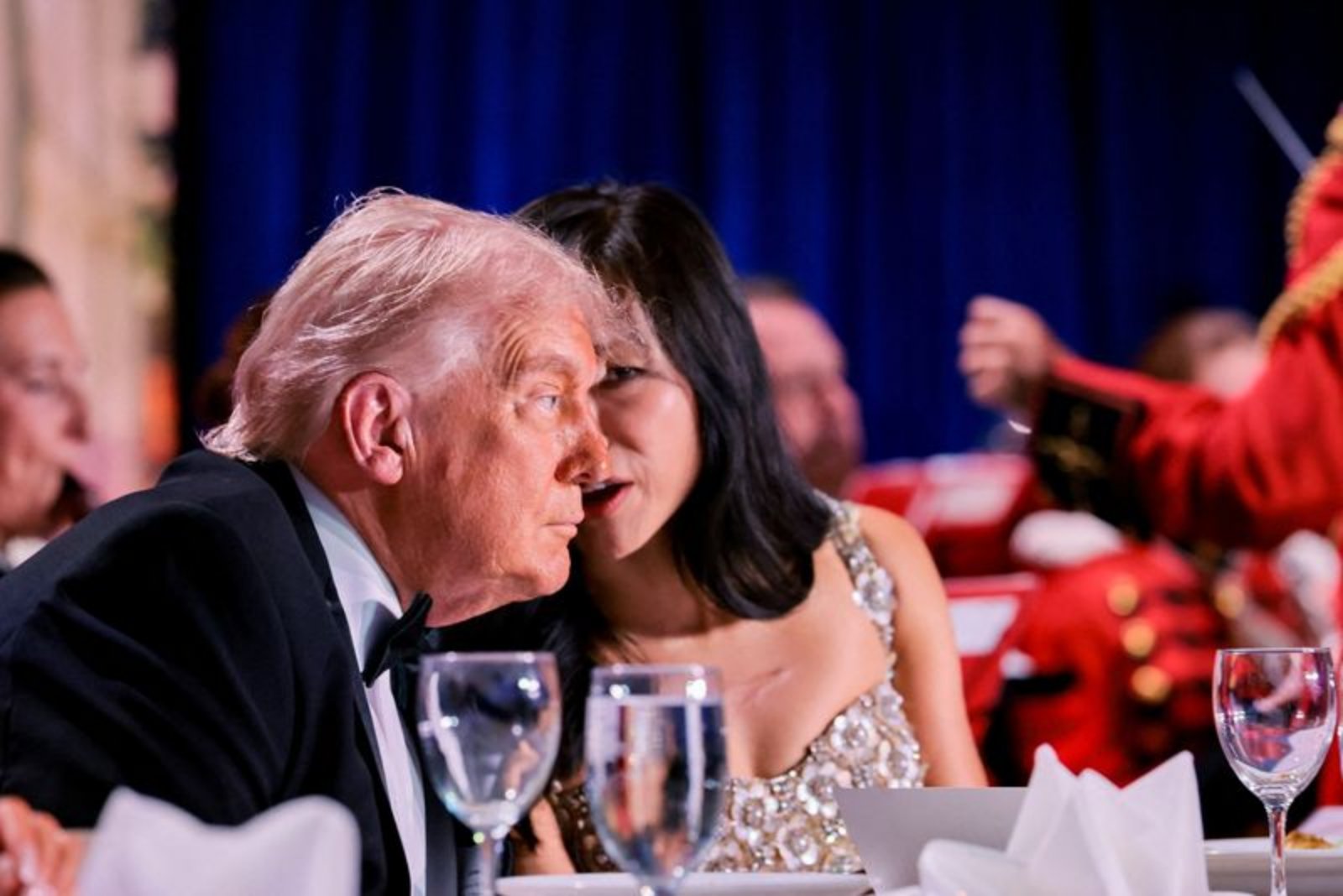
Saturday's attempted attack at the White House Correspondents' Association Dinner has prompted renewed scrutiny of the event's role and format, as journalists, organizers and outside commentators balance traditional ethical questions with fresh security concerns.
According to prosecutors, an armed man ran through a security checkpoint at the Washington Hilton hotel, apparently attempting to assassinate President Donald Trump in a nearby ballroom. The president and first lady Melania Trump were hurried to safety as the incident unfolded. The attack was foiled and disrupted what had been a rare, convivial gathering of members of the press and the president, a relationship that has often been adversarial.
Even before this weekend's attempt, the gala had been the subject of debate within newsrooms and among media ethicists. The black-tie event, which has been held in Washington for more than 100 years, raises funds for journalism scholarships and publicly celebrates the First Amendment's protections of free speech and a free press. At the same time, its social nature - where news organizations buy tables and invite guests from high levels of politics and business - has long made some observers uncomfortable.
Attendees typically move from the main dinner to high-profile after-parties attended by celebrities. Presidents often appear at the dinner; President Trump had previously skipped the event during his time in the White House until this year, when he attended for the first time as president.
Critics argue the image of journalists in formalwear seated with the powerful blurs necessary lines between reporters and sources. Jane Kirtley, a professor of media ethics and law at the University of Minnesota, said she does not believe it presents a good image for journalists to be "dressed in tuxedos and gowns and hanging out with the people they cover." She described the gathering as "a really tricky proposition."
Organizers of the event face immediate procedural decisions. When asked about plans for the dinner going forward, White House Correspondents' Association President Weijia Jiang pointed to a statement issued on Sunday, saying the WHCA board will convene to evaluate what happened and determine next steps. The statement also praised journalists at the event for "jumping into reporting immediately after the incident unfolded."
President Trump said in a Truth Social post on Saturday night that he planned to reschedule the dinner, but the WHCA has authority to decide whether and how the event proceeds.
The dinner's format has long included comedians as entertainers and sometimes featured presidents trying their hand at satire. Notable past moments include then-Democratic President Barack Obama's roast of Donald Trump in 2011, when Trump attended as a real estate figure and television personality, and the 2018 performance by comedian Michelle Wolf, which drew criticism from some members of the press for its sharp focus on then-White House press secretary Sarah Huckabee Sanders.
Following the backlash to the 2018 program, the WHCA head at the time, Margaret Talev, said members had expressed "dismay" over Wolf's set and the association presented a more restrained program the following year. Trump, however, did not attend the dinner as president until this year.
Trump's relationship with the press has been marked by frequent public criticism of outlets and reporters, including lawsuits, claims labeling accurate reporting as "fake news," and curbs on access to the White House press pool and the Pentagon. At the same time, he has been noted for holding open-ended press availabilities and taking reporter phone calls more often than some predecessors.
Some news organizations have long acted on ethical concerns by altering how they participate in the event. The New York Times stopped buying tables in 2008 on ethical grounds, although it continues to cover the dinner as a news event. Patrick Plaisance, a professor of ethics at the Bellisario College of Communications at Pennsylvania State University, said the Times' policy reflects "the inherent conflict that the event poses for journalists."
Defenders of the dinner note that informal interactions between reporters and government officials are a routine part of beat reporting. Eric Deggans, a professor of journalism and media ethics at Washington and Lee University, said much reporting requires cultivating sources in settings beyond official briefings and scheduled interviews. He cautioned that critics sometimes oversimplify the situation: "It's a more complicated situation than some of the critics are willing to allow," he said.
Even so, Deggans and other scholars observe that the event's stated purpose - honoring press freedom - is often overshadowed by the optics of a lavish dinner where politicians and journalists dine side by side. This year's selection of entertainer Oz Pearlman, a mentalist, did little to alter those perceptions, Deggans said, noting that while comics have long roasted both politicians and members of the press, moving away from that format without explaining why risks creating unfavorable impressions.
He added that when security and safety concerns are layered on top of the ethical debate, the question of how to proceed becomes even more fraught.
Separately, the weekend's news cycle included promotional material addressing investment opportunities for 2026, noting that better data and AI-powered insights can aid investors. The promotional copy encouraged readers to consult data-driven tools to identify potential investments, suggesting such tools can help find more opportunities more often, followed by a call to "Ask WarrenAI, then decide."
As the WHCA board prepares to meet, organizers, reporters and observers will have to weigh the competing aims of honoring the press, maintaining ethical distance where appropriate, and ensuring physical safety at a high-profile event. That debate is likely to shape not only the next WHCA Dinner but also broader conversations about how the press interacts with power in an era of heightened security risks.