
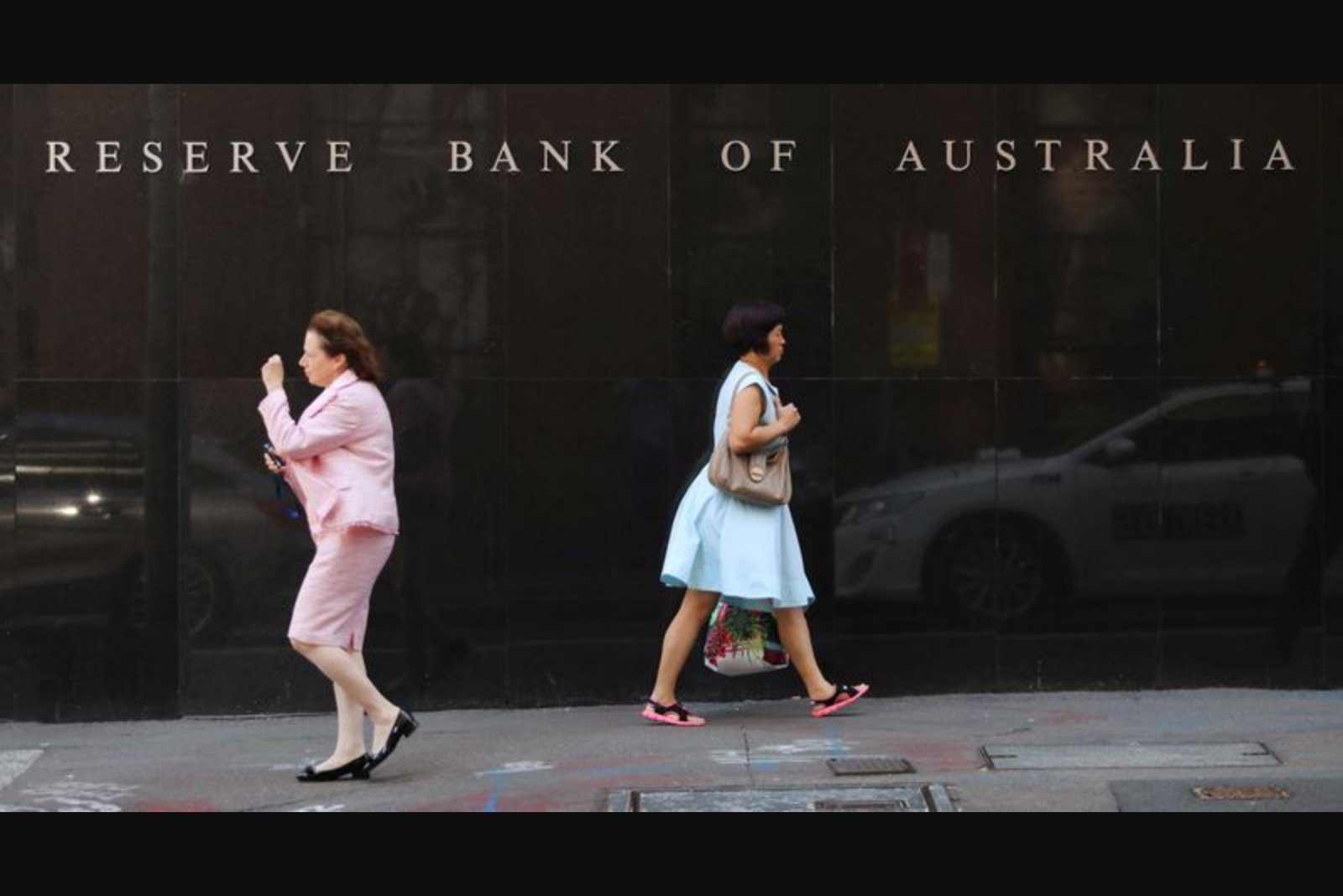
SYDNEY, May 5 - The Reserve Bank of Australia raised its policy rate for the third time this year on Tuesday, returning official borrowing costs to levels last seen after the pandemic and flagging a period of assessment as global energy prices rise. The board approved a 25 basis point increase to the cash rate, taking it to 4.35% and reversing three rate cuts earlier in 2025.
The decision was supported by an 8-1 vote, a clearer hawkish tilt compared with the narrow 5-4 split recorded in March. Governor Michele Bullock told reporters that, following the recent series of increases, the board judged monetary policy to be slightly restrictive and therefore had scope to pause and "gauge inflation and growth risks linked to war."
At the post-decision briefing, Bullock said there were emerging signs that businesses were beginning to pass rising costs through to consumers. She added that the three rate rises should help anchor inflation expectations. "We feel we are now in a position where we have got space to be alert to both sides of the risks, the inflation and potential risks to the downside, if the war continues," she said.
The RBA's statement noted that higher fuel prices are adding to inflationary pressure and that there are indications these increases may have second-round effects on prices across a broader range of goods and services. The board assessed that inflation is likely to remain above the 2%-3% target band for some time and that risks are tilted to the upside, including risks to inflation expectations.
Officials also emphasised that having lifted the cash rate three times this year, monetary policy is "well placed to respond to developments," language that pointed to a possible pause in the near term while the bank monitors incoming data.
Inflation had already climbed to 4.6% in March, with higher fuel costs contributing to that increase. The RBA's closely watched core inflation measures remain uncomfortably above the target band, and the central bank has sharply revised up its forecasts for inflation this year in response to the oil price spike triggered by the Middle East conflict.
Market reaction was muted but notable. The Australian dollar eased about 0.3% to $0.7145. Three-year government bond yields fell roughly 5 basis points to 4.625%, their lowest level in two weeks, as traders scaled back the chances of additional near-term policy tightening. Swaps market pricing implies around a 15% probability of a further move in June, while an increase to 4.60% by September is close to fully priced, which would be the highest cash rate since late 2011 if it materialised.
The RBA's reassessment of the outlook follows a sharp international energy market shock. Brent crude futures rose to about $114 a barrel amid renewed attacks in the Gulf, a level more than 50% above pre-conflict prices. That jump has prompted the bank to both lift projected inflation peaks to near 5% this year and to trim its forecasts for economic growth and employment.
Domestically, confidence measures have weakened. Surveys of businesses and consumers have fallen on concerns the war may push the economy toward recession, and higher borrowing costs combined with geopolitical uncertainty have cooled the housing market. The labour market, however, remains an outlier: the unemployment rate held at a historic low of 4.3%.
HORMUZ RISK
The outlook the RBA faces is closely tied to developments in the Strait of Hormuz, a crucial shipping lane that carries about 20% of global oil volumes and which the bank said Iran has effectively closed since the conflict began in late February. The central bank warned that continued disruption to oil flows could keep inflation elevated for longer.
Commenting on near-term prospects, market economists noted that if the conflict persists and oil shipments do not resume, Australian activity data could soften enough to keep the RBA on hold by August. "By August - in the absence of a rapid resolution to the conflict in the Middle East and a resumption of oil flows - we expect the activity data in Australia to be looking sufficiently soft to keep the RBA on hold," said Adam Boyton, head of Australian economics at ANZ.
Some analysts interpret the RBA's action and language as a definitive move to prioritise price stability for now. "Today, the Board showed a clear preference to prioritise the price stability mandate. There is a strong message in this outcome, meaning that risks are biased towards a further adjustment in the cash rate," said Sally Auld, chief economist at the National Australia Bank. "For now, we have the RBA on hold at 4.35%."
The bank's path since the post-pandemic inflation surge has been more measured than many global peers. The RBA initially allowed rates to peak at 4.35% early last year before cutting them three times to 3.6%, a strategy that did not prevent inflation from reaccelerating late in the year and that is now challenged by the extra pressure from higher global energy costs.
As policymakers and markets weigh incoming data, the RBA's recent move and its commentary underline the central tension facing Australian monetary authorities: balancing the need to contain inflation, now amplified by an external oil shock, while monitoring domestic demand and the labour market for signs of a meaningful slowdown.