
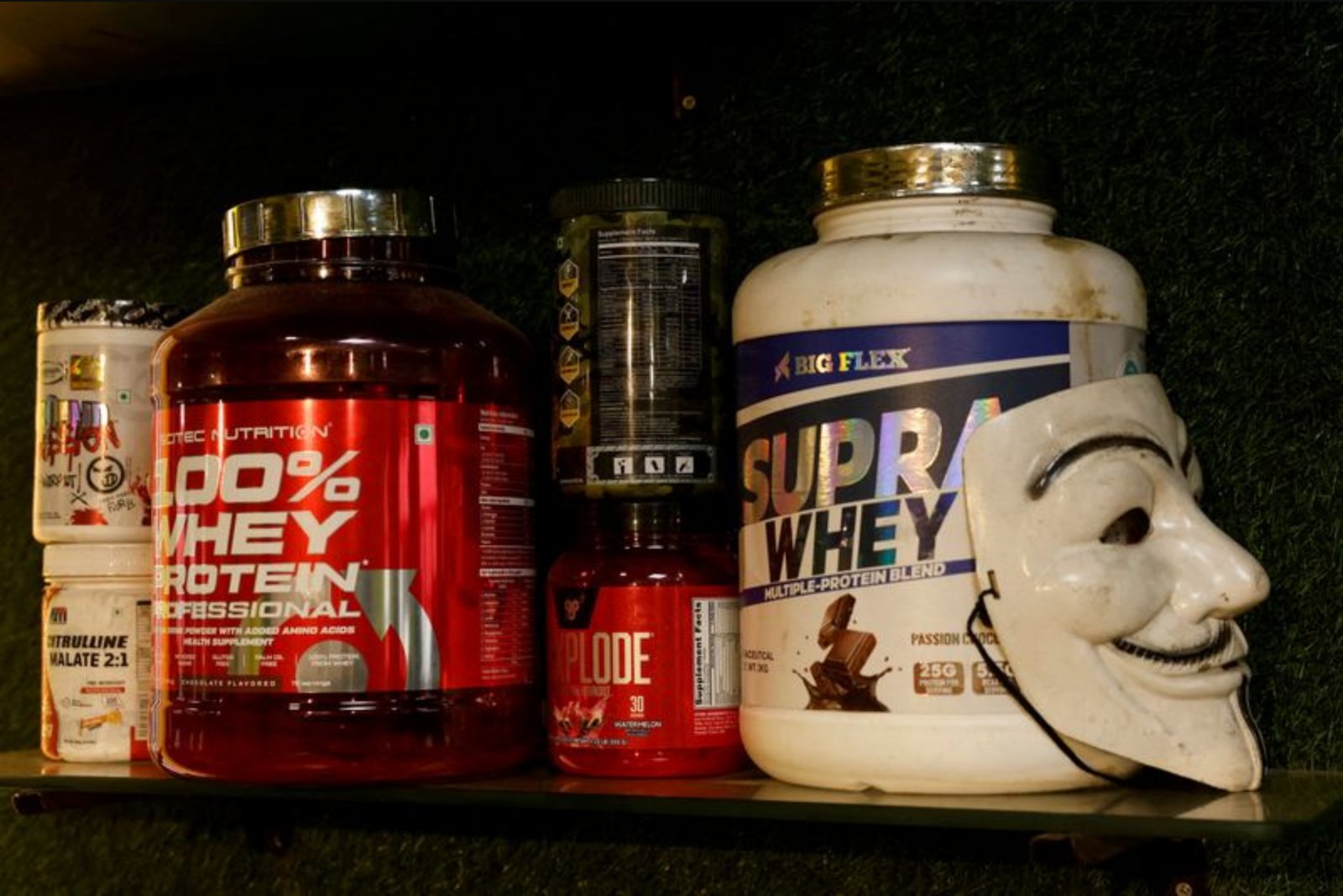
Global dairy companies and food manufacturers are responding to an unprecedented increase in demand for protein-dense whey by stepping up production, shifting processing lines and investing in higher-end whey technologies. The acceleration in demand is tied closely to the widespread adoption of GLP-1 weight-loss drugs and to prevailing health and ageing trends, industry participants said.
Market data firm StoneX reports the price of whey protein concentrate with 80% protein content (WPC 80) has risen by almost 90% over the last year to 20,000 euros a metric ton ($23,410). That price escalation has markedly outpaced gains seen across other dairy categories, including powdered milk and cheese, underscoring the specific pressure on high-protein whey streams.
Why whey has moved from feedstock to sought-after ingredient
Whey, historically a by-product of cheese-making commonly diverted to uses such as pig feed, has become a crucial ingredient for new products designed to help consumers preserve muscle mass. Interviews with a dozen companies and sector insiders indicate that while broader health awareness and demographic shifts have lifted demand for protein generally, the GLP-1 phenomenon is the principal driver behind the sudden spike in appetite for whey-based proteins.
"The ongoing strong demand for whey proteins, being fuelled even further by GLP (-1) in recent years, is what the industry needs to figure out," said Luis Cubel, managing director of Arla Foods Ingredients. "Are there any more untapped volumes you can tap into?"
Large dairy firms such as Arla Foods - the maker of Lurpak butter - and Dutch cooperative FrieslandCampina have moved to expand whey-processing capacity. Food manufacturers are likewise broadening their protein-forward portfolios: Danone has pushed its Oikos yoghurt brand in this direction, while Bel Group has introduced Babybel Protein.
New product development and line changes
In the United States, Dairy Farmers of America (DFA) has responded to shifting consumer preferences by launching MULU, a cottage cheese product formulated with added whey to provide 18 grams of complete protein per half-cup serving. That is substantially higher than the typical 12 to 13 grams found in standard cottage cheese. Kristen Coady, chief innovation and brand officer at DFA, said the company is seeing what she described as "almost a run on dairy proteins." As part of the response, DFA has redirected investment into cultured capabilities and converted certain production sites in Pennsylvania and New Mexico away from fluid milk processing toward higher-protein offerings.
Health and wellness retail channels have recorded parallel trends. iHerb, a wellness retailer, reported strong growth in GLP-1-adjacent products in the U.S., with shoppers increasingly seeking supplements and formulations intended to counter muscle loss associated with weight-loss drug use. iHerb’s Chief Revenue Officer Hyeyoung Moon noted an increase in searches using the term 'GLP-1' and an expanded female customer base seeking products focused on preserving muscle, not just traditional gym-oriented whey consumers.
Capacity constraints and the race for high-end processing
Consultants and dairy-industry executives warn that current processing infrastructure is not keeping up with the type of high-spec whey concentrates and isolates now in demand. John Lancaster, head of EMEA dairy and food consulting at StoneX, said, "There’s a shortage of the capacity to turn (whey) into what is required by the market at the moment."
FrieslandCampina has moved aggressively to capture value in that segment. The company finalised its purchase of Wisconsin Whey Protein, a U.S.-based producer of whey protein isolates (WPI), in January and has doubled capacity at its Borculo plant in the Netherlands. The Dutch cooperative also announced it is investing more than 90 million euros to accelerate growth in high-value whey proteins, reflecting a strategic bet on premium processing capability.
For dairy processors, improving the quality of whey outputs is critical as food producers develop a wave of high-protein variants of yoghurt, cottage cheese, ready-to-drink beverages and salty snacks. Marion Bucas, marketing director at Lactalis Ingredients, said protein currently represents "a huge opportunity." She added, "Dairy proteins are still the best quality proteins on the market, but there will be lots of work to try to find substitutes to answer the demand."
Supply alternatives and innovation beyond milk
Rising demand for protein-rich peas and lentils has provided a new revenue pathway for struggling U.S. farmers, delivering crop markets a lifeline. At the same time, biotech startups using precision fermentation to produce alternative proteins are attracting attention and investment. French startup Verley, which ferments fungi to produce proteins aimed at muscle recovery, described the impact of GLP-1 on food-sector dynamics as "insane." CEO Stephane Mac Millan said, "In the U.S., in just two to three years, everything changed," adding that this rapid shift is putting pressure on the food industry to reformulate products.
Standing Ovation, another French startup that has received investments from Danone and Bel Group, focuses on producing casein proteins and expects to begin commercial sales this year. Co-founder Romain Chayot said that 80% of the products the company is developing are for high-protein solutions and noted: "With GLP-1, developing high-protein yoghurt or cheese or beverage is booming today."
Precision fermentation and alternative proteins remain relatively costly compared with conventional dairy proteins, and some analysts caution that such technologies are not yet at a price point likely to achieve broad market penetration. Still, the elevated price of whey provides a commercial opening for these alternatives if costs can be reduced.
Consumer preference and sensory challenges
One practical obstacle for non-dairy or novel proteins is taste. Bel Group’s North America CEO Peter McGuinness observed that the sensory appeal of dairy proteins remains an advantage, saying: "Dairy protein is delicious. In this protein race, we’ve lost deliciousness." That comment underscores a potential limit to substitution if consumers reject alternatives on the basis of flavour or texture.
The market reaction spans corporate strategy, farm economics and ingredient innovation. Companies are modifying production footprints, striking acquisitions, and redirecting R&D budgets to develop the high-protein formats now favored by consumers using GLP-1 drugs or pursuing other wellness goals.
As the industry navigates these changes, the core unresolved questions focus on capacity - where it can be expanded or adapted - and on whether substitutes for dairy proteins can be scaled while matching sensory expectations and cost profiles. The answers will shape production rates, working-capital needs and the flow of whey from a traditional by-product to a high-value input.
($1 = 0.8543 euros)