
The World Food Programme has issued a stark warning that Sudan may be slipping back toward deeper levels of hunger as a combination of continued fighting, reductions in donor support and rising agricultural costs tied to disruption linked to the Iran war threaten recent gains, a senior WFP official said.
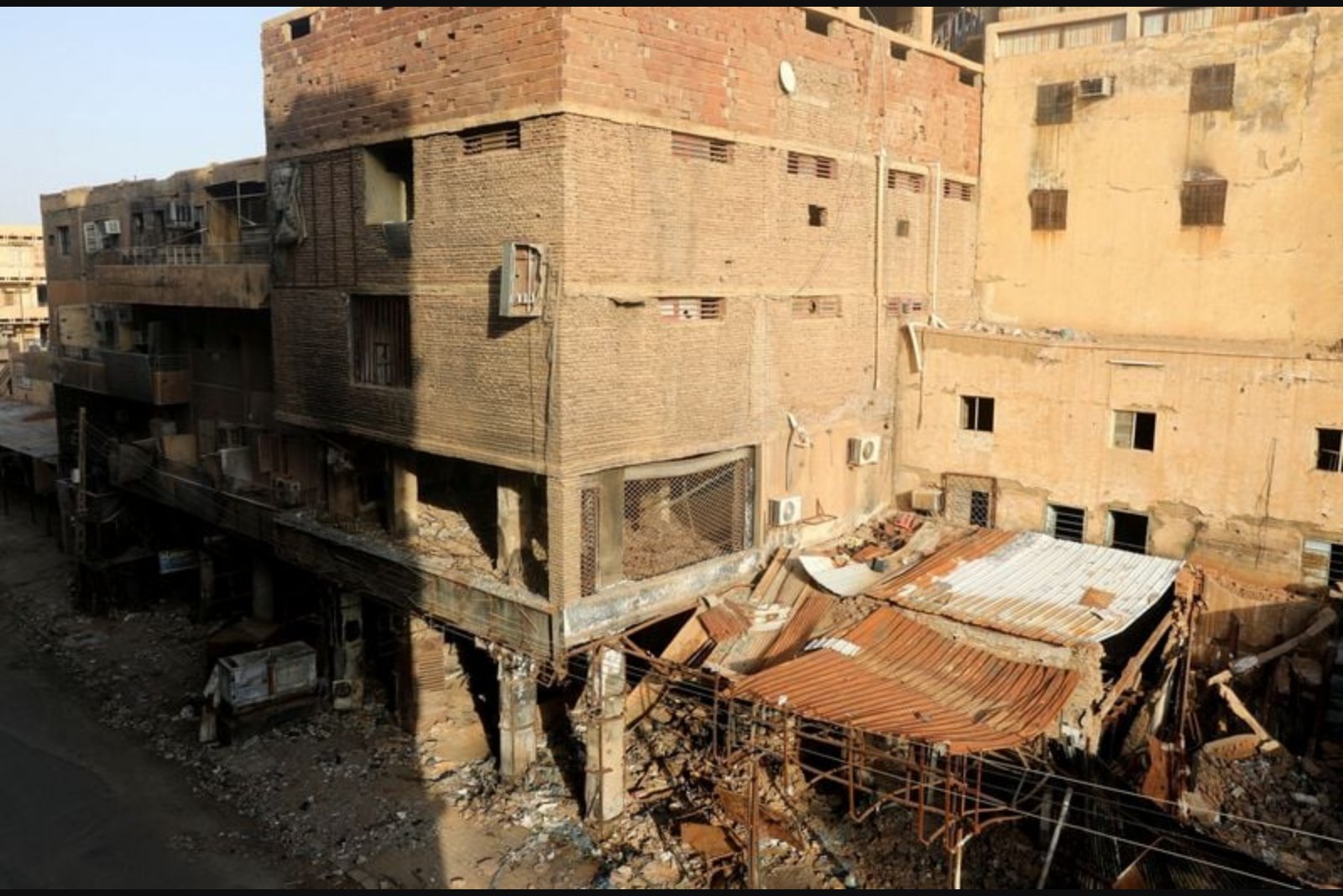
The conflict between Sudan’s regular armed forces and the paramilitary Rapid Support Forces is now in its fourth year. The fighting has forced millions to flee their homes and has left large swathes of the country devastated. Humanitarian groups have repeatedly signalled deteriorating food security and severe constraints on access for relief workers.
Even after an intensive humanitarian effort that helped reduce numbers in famine-like conditions, Sudan remains one of the world’s most acute humanitarian crises. The WFP’s acting executive director said about 5 million people in the country are experiencing emergency or catastrophic levels of hunger, and that more than 100,000 people still meet the highest U.N.-backed IPC classification for famine-like conditions.
"It’s a massive crisis, both in terms of numbers, but also the gravity," the WFP official said, underlining the seriousness of having more than 100,000 people in IPC Phase 5, the classification used for starvation conditions.
Broader measurements of food insecurity are also alarming. According to the IPC, nearly 19.5 million people across Sudan are facing high levels of acute food insecurity.
The WFP highlighted areas of immediate concern where recent fighting has heightened humanitarian fears. Clashes around al-Obeid in North Kordofan raised worries that the city could face a situation similar to al-Fashir in Darfur, where conflict and siege conditions have trapped civilians and impeded aid deliveries. In recent days, however, the WFP noted that violence had eased somewhat, creating an opening to expand aid distributions from roughly 100,000 people to about 250,000 people in and around al-Obeid.
The agency also flagged renewed fighting in parts of Darfur that has forced the closure of the Tine border crossing, a bottleneck route from Chad into Darfur. The closure complicates cross-border deliveries and humanitarian access to populations in need.
Funding shortfalls are constraining the WFP’s response across Sudan. Over the past year, the organisation has cut the number of people it assists from about 5 million to roughly 3.5 million and has reduced rations in many locations, including in Tawila in Darfur. Those service reductions come amid a $646 million funding gap following cuts from major donors, including the United States, European countries and Britain.
"We’re not heading in the right direction here," the WFP official said. "If anything, we are falling backwards."
Beyond insecurity and funding, the WFP warned that rising diesel prices and shortages of fertilizer, linked to conflict in the Gulf and the closure of the Strait of Hormuz, could further weaken Sudan’s food security during the ongoing planting season. Sudan relies heavily on fertilizer imports from Gulf countries, and much of its farming depends on irrigation pumps. With diesel costs rising, operating those pumps may become unaffordable for many farmers, undermining planting and crop production.
Summary
A senior WFP official warned that Sudan risks backsliding into deeper hunger due to ongoing conflict between the army and the Rapid Support Forces, donor funding cuts that have created a $646 million gap, and higher agricultural input costs tied to regional disruptions linked to the Iran war. Despite reductions in famine-like cases following intense humanitarian efforts, around 5 million people remain in emergency or catastrophic hunger, over 100,000 are in famine-like conditions, and nearly 19.5 million face high acute food insecurity. Recent localized easing of violence around al-Obeid may allow expanded aid deliveries, but renewed clashes in Darfur and the closure of the Tine crossing are complicating access. Rising diesel and fertilizer costs threaten the planting season by making irrigation and inputs less affordable.
Key points
- Rising needs: Approximately 5 million people face emergency or catastrophic hunger and more than 100,000 remain in famine-like conditions (IPC Phase 5).
- Scale of insecurity: Nearly 19.5 million people across Sudan are experiencing high levels of acute food insecurity, with conflict displacing millions and restricting humanitarian access.
- Operational strain: The WFP has reduced assistance from 5 million to about 3.5 million beneficiaries and cut rations in multiple areas due to a $646 million funding shortfall after donor reductions.
Risks and uncertainties
- Escalation of conflict around urban centres such as al-Obeid or in parts of Darfur could further restrict aid access and trap civilians, affecting humanitarian delivery and market functioning - impacting the humanitarian sector and local economies.
- Closure of the Tine border crossing and other access points increases logistical challenges for cross-border aid, raising delivery costs and delays that affect food and relief supply chains - impacting logistics and aid operations.
- Soaring diesel prices and shortages of fertilizer, linked to conflict in the Gulf and the closure of the Strait of Hormuz, could reduce irrigation use and crop planting, undermining agricultural output and market supply - impacting agriculture and energy-dependent farming inputs.