
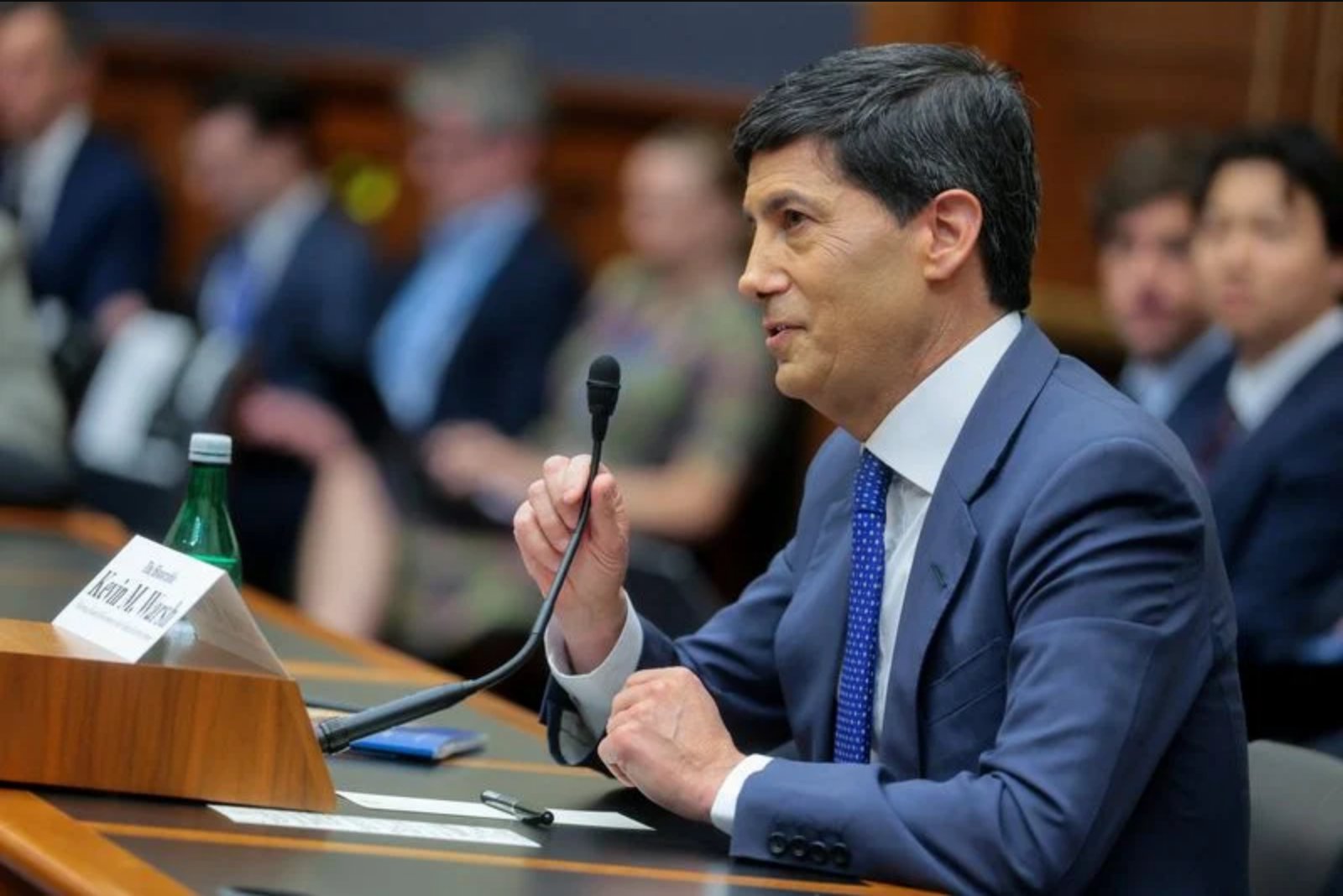
WASHINGTON, July 14 - Federal Reserve Governor Kevin Warsh told members of the U.S. House Financial Services Committee that any change in the central bank's balance sheet approach would be accompanied by clear, advance communication to both lawmakers and markets.
Speaking at the hearing, Warsh said his positions on the size and structure of the Fed's balance sheet are already well known, but he stressed he would not pre-judge the determinations that will be made by a newly established Fed balance sheet task force. He described the balance sheet as an element of monetary policy and underlined his preference that the Federal Reserve avoid crossing into fiscal policy matters.
"I want to assure you that if there were a change in balance sheet policy, that we would preview it, explain it, debate it, and no changes in balance sheet policy would happen without good advance notice to the likes of this committee and broadly financial market," Warsh said.
Warsh conveyed a commitment to transparency in any prospective shift in balance sheet policy. He indicated that changes would not be sudden or unilateral but would instead be subject to public explanation and internal debate prior to implementation. The assurance was framed toward both congressional oversight - represented at the hearing - and participants in financial markets.
He also referenced the role of the Fed's internal review mechanism, noting that a task force has been formed to evaluate balance sheet matters. While Warsh said his own views are established, he declined to foreclose or anticipate the outcomes of that task force's review.
Clear summary
- Warsh told the House Financial Services Committee that any Fed balance sheet changes would be previewed, explained and debated.
- He said markets and the committee would receive good advance notice before any changes took effect.
- He described the balance sheet as part of monetary policy and said the Fed should avoid fiscal policy.
Key points
- Commitment to advance notice and explanation - directed at Congress and financial market participants.
- Recognition of a formal review - a Fed balance sheet task force will make recommendations, and Warsh will not prejudge its conclusions.
- Policy boundary emphasized - Warsh framed the balance sheet within monetary policy, distancing it from fiscal decisions.
Risks and uncertainties
- Uncertain outcomes from the Fed balance sheet task force - the final recommendations and timing remain unspecified, which could affect market expectations.
- Potential for miscommunication - although Warsh pledged advance notice and debate, markets may still interpret signals in varying ways, affecting financial market reactions.