
Economy July 14, 2026 11:01 AM

Warsh Promises Advance Notice to Congress and Markets on Any Fed Balance Sheet Shifts

At a House Financial Services Committee hearing, the Fed chair said changes would be previewed, explained and debated before being implemented

By Nina Shah
Share
Twitter Reddit Facebook LinkedIn

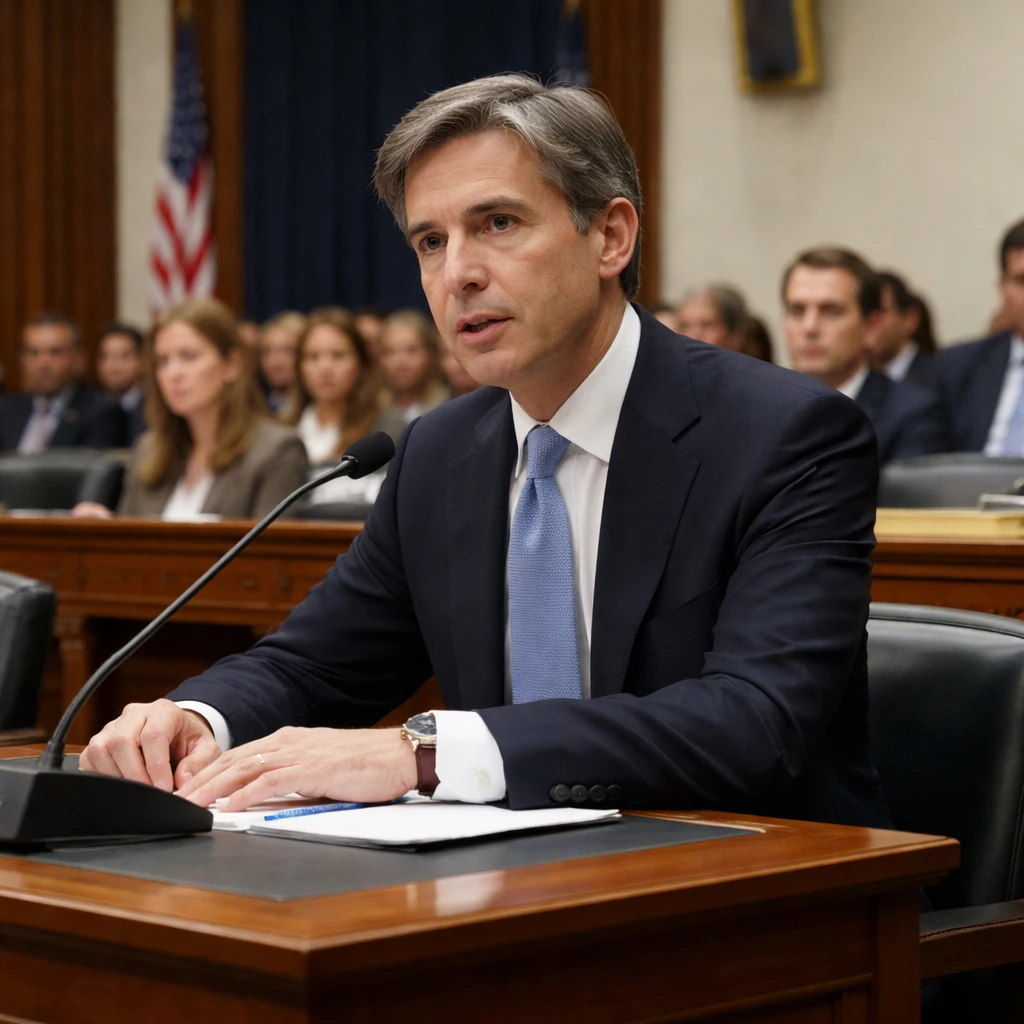
Federal Reserve Chair Kevin Warsh told lawmakers he would provide substantial advance notice to Congress and to financial markets before any adjustment to the central bank's balance sheet policy. Speaking to the House Financial Services Committee, Warsh reiterated that balance sheet decisions would be previewed, explained and debated, and that he would not preempt the work of a newly formed Fed balance sheet task force.

Warsh Promises Advance Notice to Congress and Markets on Any Fed Balance Sheet Shifts
Summarize with
ChatGPT Perplexity Claude Grok Gemini

Key Points

  • Warsh pledged advance notice, explanation and debate before any Fed balance sheet policy changes - impacts congressional oversight and market preparedness.
  • He acknowledged his views on the Fed's large balance sheet are known but declined to anticipate decisions by a new Fed balance sheet task force - impacts internal Fed policy formation.
  • Warsh framed the balance sheet as a component of monetary policy and emphasized avoiding involvement in fiscal policy - relevant to the relationship between the Fed and fiscal authorities.

Federal Reserve Chair Kevin Warsh told members of the U.S. House Financial Services Committee that the Federal Reserve would give ample warning to lawmakers and market participants before changing its balance sheet policy.

Speaking at a committee hearing, Warsh said any prospective modifications to the Fed's balance sheet would be presented in advance, explained in detail and subjected to debate prior to implementation. He stressed the importance of clear, early communication to both Congress and the financial markets.

Warsh noted that his perspective on the central bank's substantial balance sheet is already publicly known, but he added that he would refrain from prejudging decisions expected from a new Fed balance sheet task force. He framed the balance sheet as an element of monetary policy and underscored a desire to avoid conflating that role with fiscal policy.

"I want to assure you that if there were a change in balance sheet policy, that we would preview it, explain it, debate it, and no changes in balance sheet policy would happen without good advance notice to the likes of this committee and broadly financial market," Warsh said.

The chair's remarks focused on process and transparency. By committing to preview and debate any changes, Warsh indicated the Fed intends to provide windows for congressional oversight and for market participants to adjust. At the same time, he explicitly declined to anticipate the conclusions of the Fed's internal task force charged with reviewing balance sheet practices.

Warsh also reiterated a boundary between monetary operations and fiscal decision-making, saying the Fed should steer clear of fiscal policy. His statements to lawmakers placed procedural safeguards at the center of any future balance sheet adjustments, emphasizing notification and public discussion as prerequisites for action.


Clear summary

Kevin Warsh told the House Financial Services Committee the Fed will preview, explain and debate any changes to balance sheet policy and will provide advance notice to both Congress and financial markets. He said his views on the large balance sheet are known but would not prejudge the new balance sheet task force's decisions, and he emphasized keeping monetary policy separate from fiscal policy.

Risks

  • Decisions are pending from a new Fed balance sheet task force, creating uncertainty about the timing and direction of potential changes - this can affect financial markets and banking sector planning.
  • Until the Fed provides formal proposals and advance notice, market participants and congressional overseers may face short-term uncertainty about policy adjustments - particularly relevant for financial market positioning.
  • If messaging around the separation between monetary and fiscal roles is insufficiently clear in practice, there is a risk of confusion about the Fed's remit - this could affect trust among policymakers and investors.

More from Economy

Wall Street banks post strong Q2 profits as dealmaking and trading surge Jul 14, 2026 Traders Shift Odds Toward No July Fed Rate Hike After Cooler June Inflation Jul 14, 2026 EASA renews and tightens advisory, tells carriers to steer clear of Gulf airspace Jul 14, 2026 U.S. Consumer Inflation Eases More Than Forecast in June, but Uncertainty Remains Jul 14, 2026 Warsh Signals Fed's Resolve to Prevent Persistent Inflation as Economy Shows Mixed Strength Jul 14, 2026