
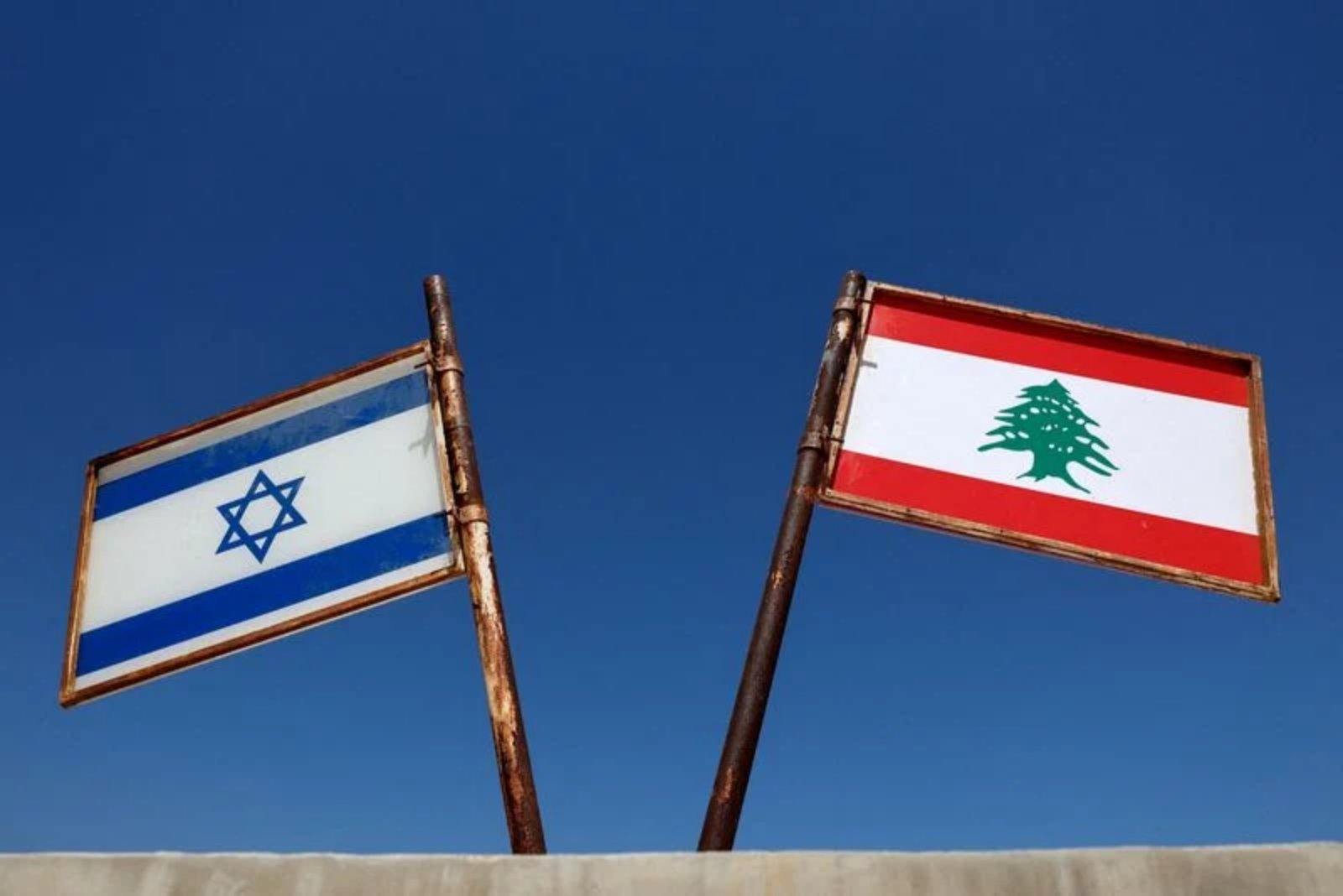
Lebanon and Israel resumed talks in Rome on Tuesday under U.S. auspices, seeking to translate a previously negotiated framework into a concrete implementation plan. The discussions, scheduled to run for two days at the U.S. embassy in the Italian capital, are intended to define the operational details for areas that would see the disarmament of militias, the deployment of Lebanese armed forces and the gradual withdrawal of Israeli troops from southern Lebanon.
Delegates from both capitals and U.S. mediators are using the setting in Rome with the stated aim of making it easier for negotiating teams to consult with their respective governments during talks. Lebanese officials described the move to Italy as a practical measure to speed up back-and-forth guidance as negotiators work through the framework's steps.
The negotiations come after months in which Hezbollah and Israel returned to direct hostilities on March 2, within the context of a broader regional confrontation. U.S.-led diplomatic efforts to halt the fighting have continued in parallel with combat on the ground, despite categorical objections from Hezbollah and its backers. The Iran-backed group has said it will not accept outside disarmament and believes that only Iranian pressure on Washington can secure an end to the war and an Israeli withdrawal.
Iran, according to the terms of an interim arrangement it signed with Washington last month, demanded an end to the conflict in Lebanon. That interim deal, however, has been strained over the last week by renewed hostilities between the United States and Iran in the Gulf, complicating the regional diplomatic environment surrounding the Rome talks.
On the ground, Israeli forces are occupying an area they describe as a buffer zone that extends about 10 km - six miles - into Lebanese territory along the length of the border. Israeli officials maintain the zone is intended to shield northern Israeli communities from attacks originating in southern Lebanon. The Israeli military has said its forces will remain in southern Lebanon as long as Hezbollah retains its weaponry.
One of the central items on the Rome agenda is the creation and activation of two "pilot zones" in southern Lebanon. These pilot zones are envisaged as initial sites where the framework's provisions would be tested: Hezbollah's disarmament, the withdrawal of Israeli forces and the deployment of Lebanese army units to take control.
Israel's Foreign Minister said implementing the framework agreement is the only way forward and indicated Israel would seek to "demonstrate goodwill in Rome." Israeli officials have also signaled readiness to proceed with the two pilot zones as part of that implementation. In Beirut, the president instructed the Lebanese delegation to press for the "immediate start" of Israel's withdrawal from the two pilot zones "before any other discussion."
A U.S. official has indicated that the first pilot zone could be launched within "days," and said that the U.S. Central Command was coordinating with both Lebanon and Israel. U.S. military personnel were reported to have been in Lebanon during the weekend prior to the talks to discuss the plan in detail with Lebanon's army, according to sources familiar with the matter.
Despite the diplomatic maneuvering, lethal strikes by Israel have continued in Lebanon and Hezbollah has rejected the framework as well as efforts to be disarmed. On the Lebanese side, the zone currently occupied by Israeli troops remains off-limits to Lebanese civilians and Lebanese army forces. Israeli operations in the area have included the forced evacuation of local residents and the demolition of buildings and infrastructure, which Israeli authorities say are being used by Hezbollah, including underground tunnels.
The human cost of the campaign has been severe. Lebanon's health ministry reports that more than 4,000 Lebanese have been killed and over one million people displaced since the start of Israel's campaign in Lebanon in March. Those figures do not distinguish combatants from non-combatants, and Hezbollah has not released its casualty totals. Separate reporting earlier this year indicated that several thousand Hezbollah fighters had been killed.
Casualties on the Israeli side include at least 32 soldiers and four civilians killed by Hezbollah, most of them in the fighting in southern Lebanon since the latest round of hostilities began. The persistence of violent operations, the political positions articulated by the parties and recent U.S.-Iran tensions in the Gulf all frame the difficult environment in which the Rome talks are taking place.
Context for markets and sectors
- Defense and security spending - Ongoing conflict and the prospect of extended deployments could influence defense procurement and short-term military logistics demand in the region.
- Humanitarian and reconstruction needs - The scale of displacement and infrastructure damage suggests near-term demand for humanitarian assistance and, eventually, rebuilding activity.
- Energy and shipping - Regional tensions and incidents between the United States and Iran in the Gulf introduce uncertainty for sectors sensitive to instability in the Middle East, including energy markets and shipping routes.