
World June 15, 2026 05:02 AM

U.N. rights chief praises U.S.-Iran preliminary peace pact, urges restraint across region

Volker Turk welcomes ceasefire framework and Strait of Hormuz reopening, calls for prompt implementation and probes into violations

By Caleb Monroe
Share
Twitter Reddit Facebook LinkedIn

The U.N. human rights chief welcomed an announced agreement between the United States and Iran that includes an immediate and permanent ceasefire, reopening of the Strait of Hormuz, and a framework for further talks. He urged all parties in the region to exercise maximum restraint, called for investigations into alleged violations of international law, and decried ongoing strikes and cross-border attacks in Lebanon.

U.N. rights chief praises U.S.-Iran preliminary peace pact, urges restraint across region
Summarize with
ChatGPT Perplexity Claude Grok Gemini

Key Points

  • U.N. rights chief Volker Turk welcomed an announced U.S.-Iran agreement that provides for an immediate and permanent ceasefire, reopening of the Strait of Hormuz, and a framework for further negotiations - impacts energy and shipping sectors.
  • The preliminary pact prompted a drop in oil prices but leaves questions about Tehran's nuclear program to later negotiations - relevant to energy markets and broader geopolitical risk pricing.
  • Turk condemned Israeli strikes in Lebanon and cross-border attacks by Hezbollah, urging immediate cessation of hostilities, withdrawal of Israeli forces from Lebanese territory, and investigations into alleged violations - implications for regional security and reconstruction needs.

Geneva - June 15. The United Nations' top human rights official on Monday endorsed an announced agreement between the United States and Iran that, according to his statement, provides for an immediate and permanent ceasefire, the reopening of the Strait of Hormuz and a framework for additional negotiations.

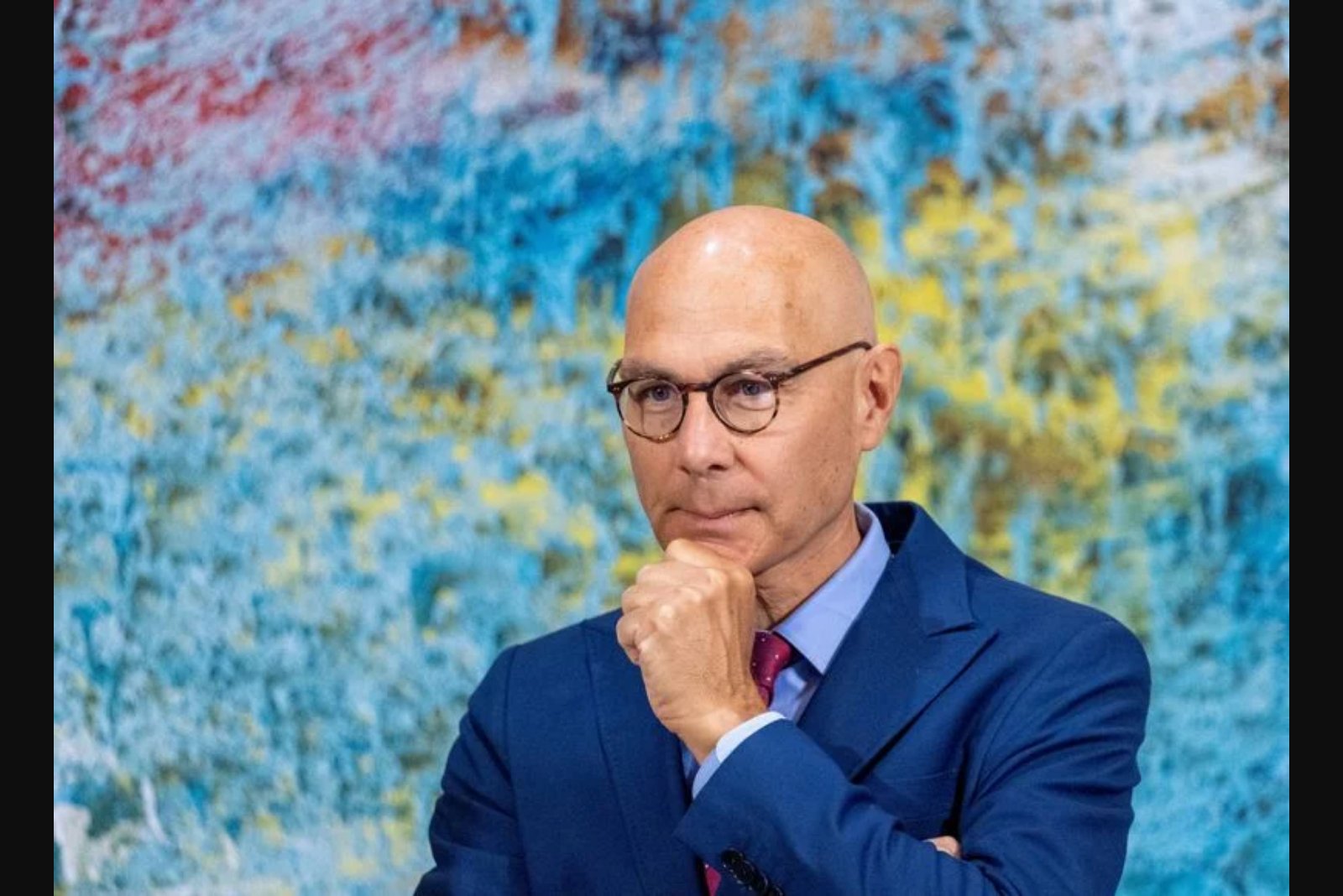
Volker Turk, the U.N. human rights chief, said: "I welcome the announcement that the United States and Iran have agreed on a peace deal that provides for an immediate and permanent ceasefire, the reopening of the Strait of Hormuz, and a framework for further negotiations."

He added: "At this fragile moment it is clear all sides need to exercise maximum restraint and work to implement the agreement reached quickly and in good faith." Turk made the remarks as U.S. and Iranian officials said they had reached an agreement to end their war and reopen the Strait of Hormuz - a preliminary pact that pushed oil prices lower while leaving the ultimate fate of Tehran's nuclear program to be decided in subsequent talks.

Although presented as a framework rather than a final settlement, the deal represents the most significant step yet toward resolving a conflict that has killed thousands and disrupted energy markets since it began with joint U.S.-Israeli strikes on Iran in February. The U.N. rights chief welcomed the cessation provisions but emphasized the fragile nature of the moment.

In the same statement, Turk expressed deep concern about hostilities outside the immediate U.S.-Iran confrontations, singling out Israeli strikes on populated areas and infrastructure in Lebanon and cross-border attacks by Hezbollah. He urged an immediate end to hostilities, called for Israel to withdraw from Lebanese territory and demanded investigations into alleged violations of international law by all parties involved.

Turk's remarks linked the diplomatic breakthrough with a continued need for vigilance and accountability: while the announced pact could ease pressures on global energy supplies and markets by reopening a crucial shipping lane, he made clear that implementation and compliance will be decisive for regional stability and for the trajectory of further negotiations.


Summary

The U.N. human rights chief welcomed a preliminary U.S.-Iran peace framework that includes a permanent ceasefire and reopening of the Strait of Hormuz, urged maximal restraint from all sides, and called for probes into alleged international law violations amid ongoing fighting in Lebanon.

Risks

  • Implementation risk - the deal is presented as a framework and requires quick, good-faith implementation to hold; failure could re-escalate tensions affecting energy and shipping sectors.
  • Unresolved nuclear issue - the agreement defers the future of Tehran's nuclear program to subsequent talks, leaving geopolitical and market uncertainty for energy and defense-related sectors.
  • Continued hostilities in Lebanon - Israeli strikes on populated areas and Hezbollah cross-border attacks create ongoing security risks that could amplify humanitarian and infrastructural damage, with knock-on effects for regional trade and markets.

More from World

Moscow Denounces Claims Its Forces Hit Kyiv’s Pechersk Lavra as a 'Crude Fake' Jun 15, 2026 Zelenskiy Says He Proposed Meeting Putin at G7; Russia Declined as Kyiv Hit by Overnight Strikes Jun 15, 2026 U.S. Experts Say Ebola Threat at World Cup Is Very Low but Preparedness Remains Critical Jun 15, 2026 Plutonium-to-Fuel Plan Faces Steep Security, Cost and Timing Hurdles Jun 15, 2026 Preliminary Memorandum Outlines Steps to Halt Hostilities Between U.S. and Iran Jun 15, 2026