
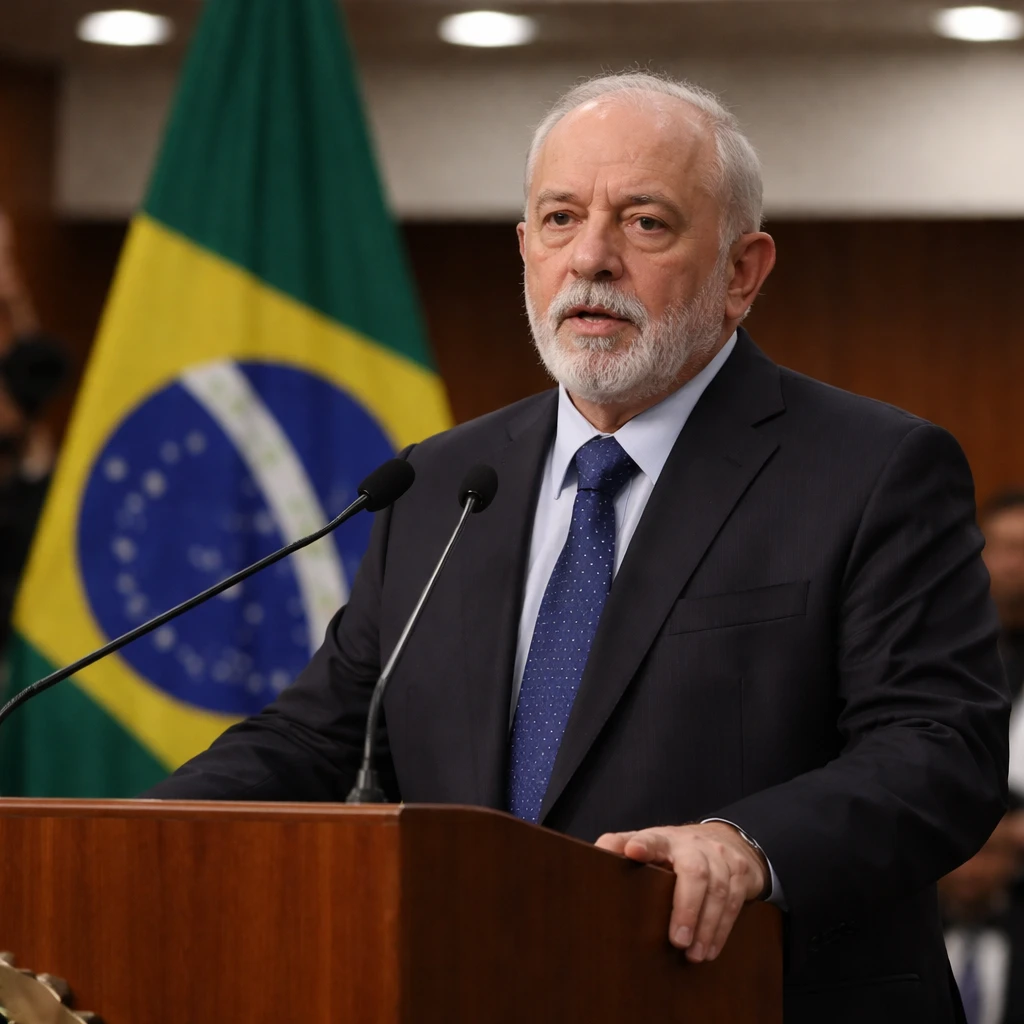
BRASILIA, July 30 - Brazilian President Luiz Inacio Lula da Silva said his administration refused visa requests for two United States officials because, he alleged, they were being sent to interfere in Brazil’s October general election.
Speaking at an event late on Wednesday, Lula directly accused the visitors of intending to disrupt the domestic electoral process.
"This week we had to deny visas to two young folks they were sending to Brazil to meddle in Brazil’s elections," Lula said.
Brazilian authorities have indicated the visa applications for the two officials, who are part of the U.S. administration, were rejected after concerns that their planned activities would cast doubt on the integrity of Brazil’s electoral system. Officials in Brazil cited those intentions as the reason for denying entry.
In Washington, a State Department spokesperson pushed back against the notion that the visit was part of a scheme to undermine Brazil’s vote. The spokesperson described suggestions of a "ploy" as unfounded, calling the allegations "baseless" and saying the proposed trip was routine and aligned with the Bureau of Democracy, Human Rights, and Labor’s statutory mandate.
Voters in Latin America’s largest economy are scheduled to cast ballots in October, when President Lula, a leftist, is set to face right-wing Senator Flavio Bolsonaro. Senator Bolsonaro is a known ally of U.S. President Donald Trump and is the son of former President Jair Bolsonaro, who was defeated by Lula in the last election.
The matter arrives amid a broader pattern of statements and endorsements from the Trump administration intended to influence political contests across the region. Most recently, Trump declared a "complete and total endorsement" of Colombia’s President-elect Abelardo De La Espriella, following earlier support for leaders including Argentine President Javier Milei and Chilean President Jose Antonio Kast.
Despite the visa dispute and his accusations of interference, President Lula reiterated he does not seek a personal confrontation with President Trump.
"Trump sometimes seems to want to pick a fight with me. I don’t want a fight with him... I’m not stupid," Lula said. "I want peace, and I want to defeat them in the battle of narratives."
The Brazilian government’s decision to refuse entry to the two officials highlights tensions between Brasília and Washington at a sensitive moment ahead of a closely watched national election. Both sides have presented divergent accounts of the proposed visit and its intent, leaving diplomatic relations and the political narrative in Brazil subject to further scrutiny as the campaign season progresses.
Note: This report is based on statements from Brazil’s president, comments attributed to Brazilian authorities regarding visa decisions, and a response from a U.S. State Department spokesperson as provided above.