
Overview
Antora Energy this month completed a $550 million Series C financing round aimed at accelerating production of its thermal batteries, devices designed to help heavy industry and data centers lower operating costs while integrating more renewable generation. The oversubscribed financing was co-led by G2 Venture Partners and Eclipse and drew new capital from Ribbit Capital, Salesforce Ventures, Activate Capital, John Doerr, Westly Group, StepStone Group and Liberty Mutual Strategic Ventures.
Use of proceeds and strategic objectives
The company said the funding will support accelerated deployment of large-scale projects across the United States, enable the establishment of a second U.S. manufacturing hub and bolster Antora’s domestic supply chain. Existing investors who participated in the round include Decarbonization Partners - a joint venture between BlackRock Inc. (NYSE:BLK) and Temasek Holdings Pte. - as well as Impact Science Ventures, Trust Ventures, Breakthrough Energy Ventures and Lowercarbon Capital.
Technology and recent deployment
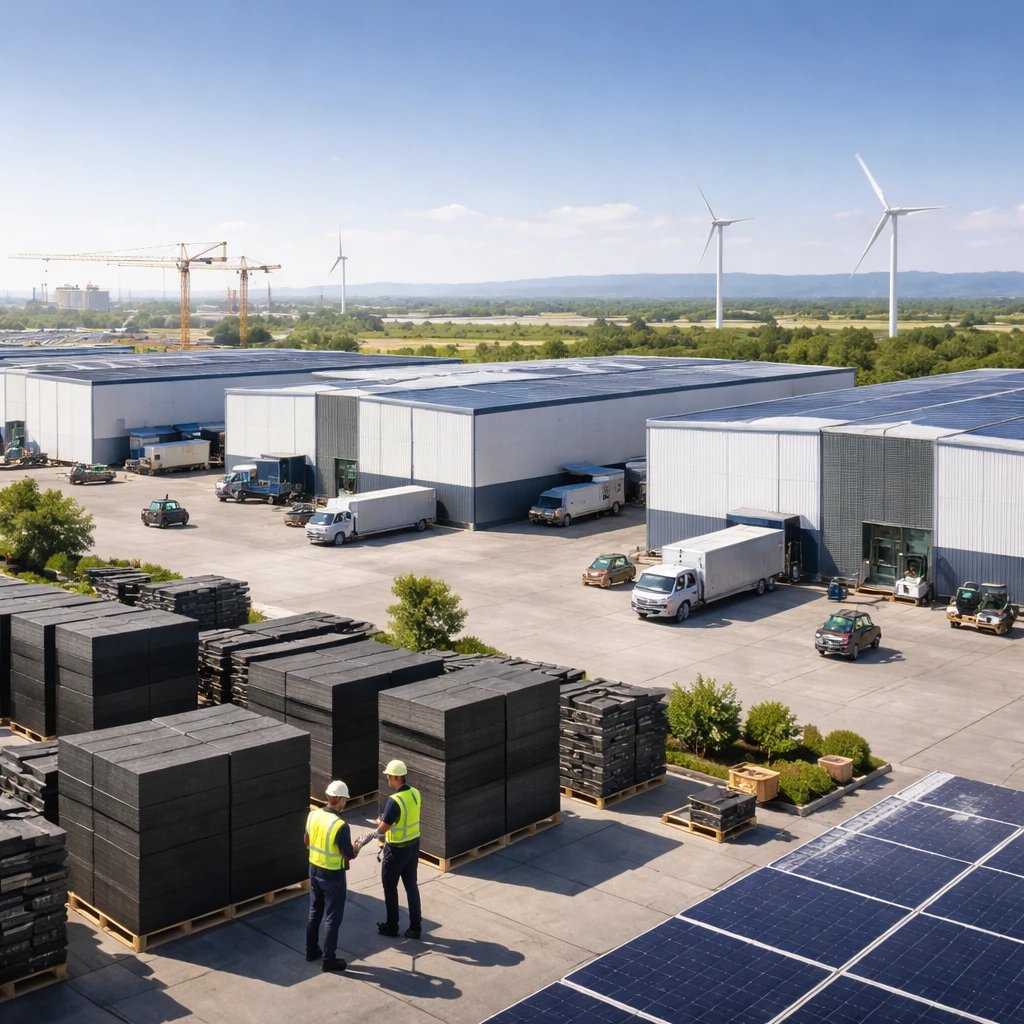
Antora’s thermal batteries store low-cost electricity in the form of heat held within insulated blocks of solid carbon. The stored energy can be discharged continuously as either heat or power, enabling operators to buy electricity when it is inexpensive and abundant and then use or sell that energy later when renewable output falls or prices rise.
The financing announcement follows Antora’s deployment earlier this year of a 5 gigawatt-hour system in South Dakota, a project that moved from initial construction to delivering energy in under 12 months.
Manufacturing footprint and jobs
Antora’s San Jose, California facility has been expanded into a three-building manufacturing campus and is described by the company as among the country’s largest battery gigafactories. The company said its deployments have created and supported hundreds of American manufacturing and construction jobs.
Implications for markets and operators
Antora’s approach is positioned to help heavy industry and data centers manage energy costs and increase use of renewables by providing a means to shift low-cost, high-renewable generation into periods of higher demand or lower renewable output. The funding is intended to hasten project rollouts and expand manufacturing capacity to meet that demand.