
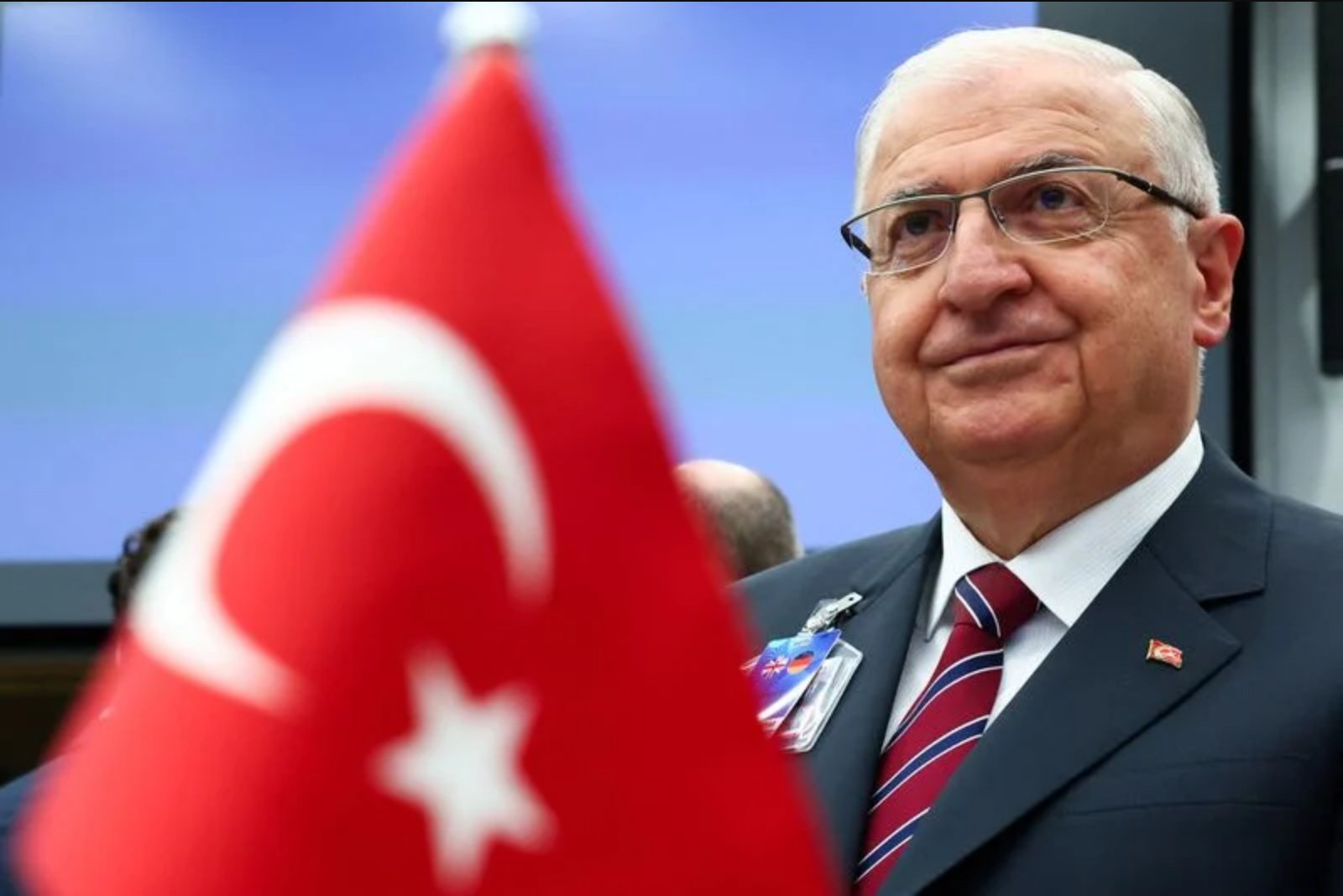
Turkish Defence Minister Yasar Guler said NATO is adapting to a shifting security landscape and that the United States is not seeking to leave the alliance, comments he made in the run-up to a NATO summit to be held in Ankara next week.
Turkey will host 32 NATO leaders, together with officials from the Gulf and the Asia-Pacific region, on July 7-8. The meeting comes amid strains inside the alliance over burden-sharing, defence spending and U.S. complaints about allies' limited engagement in re-opening the Strait of Hormuz.
In written responses to questions, Guler said the summit would concentrate on preserving bloc unity, examining the rise in defence expenditures by allies, strengthening cooperation in defence industry programmes and increasing support for Ukraine. He also said Ankara should be included in European defence initiatives and plans.
Guler framed the current moment as one of adaptation rather than breakdown, saying: "NATO continues to be an unparalleled and fundamental platform for Euro-Atlantic security and defence. We evaluate the period we are going through not as a crisis, but as a process of adjusting to the changing security environment," he said.
He added that while the United States had no intention of withdrawing from NATO, Washington expected European allies and Canada to shoulder a greater share of responsibility for Europe's security. Guler said any expanded European role in security planning must also encompass Ankara in its defence plans and initiatives.
The minister's remarks set out the agenda for the Ankara summit, which will bring together senior leaders as debates continue over how responsibilities and costs for collective defence are distributed within the alliance. Defence industry cooperation and renewed commitments to support Ukraine were highlighted as central items for discussion.
With competing expectations among allies on burden-sharing and differing views on how to address regional security issues such as the Strait of Hormuz, the summit is positioned as a forum to seek common ground while the alliance adjusts to evolving threats and responsibilities.
Sectors affected: defence industry, European security planning, maritime trade and energy routes related to the Strait of Hormuz.