
Situation overview
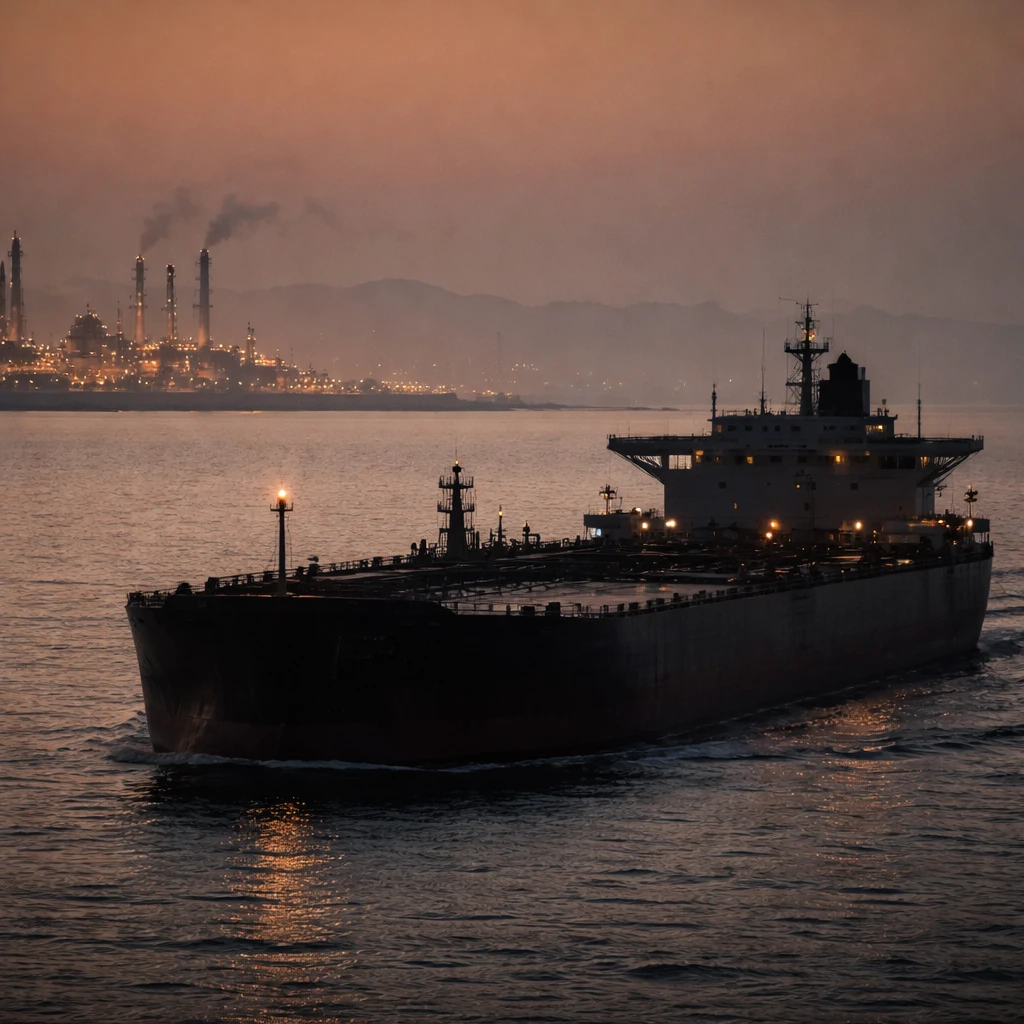
Analysts say Saudi Arabia’s crude oil shipments that depart from Red Sea ports are becoming harder to monitor after tankers began turning off their public tracking systems to reduce exposure to attacks by Yemen’s Houthis. Observers report that all recent cargoes from Yanbu have been loaded without visible tracking data, making routine monitoring of outbound crude flows more difficult.
Escalation that prompted changes
The Houthis announced a maritime embargo against Saudi Arabia on July 20. Since that declaration, the group has claimed responsibility for attacks on vessels linked to Saudi interests, damage to facilities at Yanbu, and, most recently, strikes affecting the Jazan refinery located on the Red Sea coast. Those reported incidents have coincided with a rise in vessels operating without publicly visible tracking information.
Impact on data transparency
The growing use of so-called dark voyages has reduced market visibility into how much crude is actually leaving Saudi ports on the Red Sea. With tracking signals disabled, conventional monitoring tools yield less reliable real-time pictures of flows, and estimates diverge substantially among tracking companies.
Discrepancies among ship-tracking firms
Ship-tracking and data analytics firms have produced markedly different figures for Yanbu loadings. During the week beginning August 3, Vortexa estimated loadings at 2.38 million barrels per day, down from 2.71 million the prior week. Kpler reported a larger fall, to 1.78 million bpd from 4.04 million bpd. AXSMarine, by contrast, calculated an increase to 850,000 bpd from about 420,000 bpd.
Significance for markets and institutions
These tracking discrepancies matter because export estimates produced by such firms supply data inputs for organizations and market participants, including the International Energy Agency, OPEC, and oil traders. When observation of physical flows is impaired, it becomes harder for those groups to evaluate supply conditions and to form reliable forecasts.
Outlook and limitations
The shift toward operating without public tracking signals has created greater uncertainty around Red Sea crude exports. Analysts emphasize that the reduction in visibility makes it difficult to determine precisely how much the Houthi threats are affecting crude shipments from Yanbu and other Red Sea ports.