
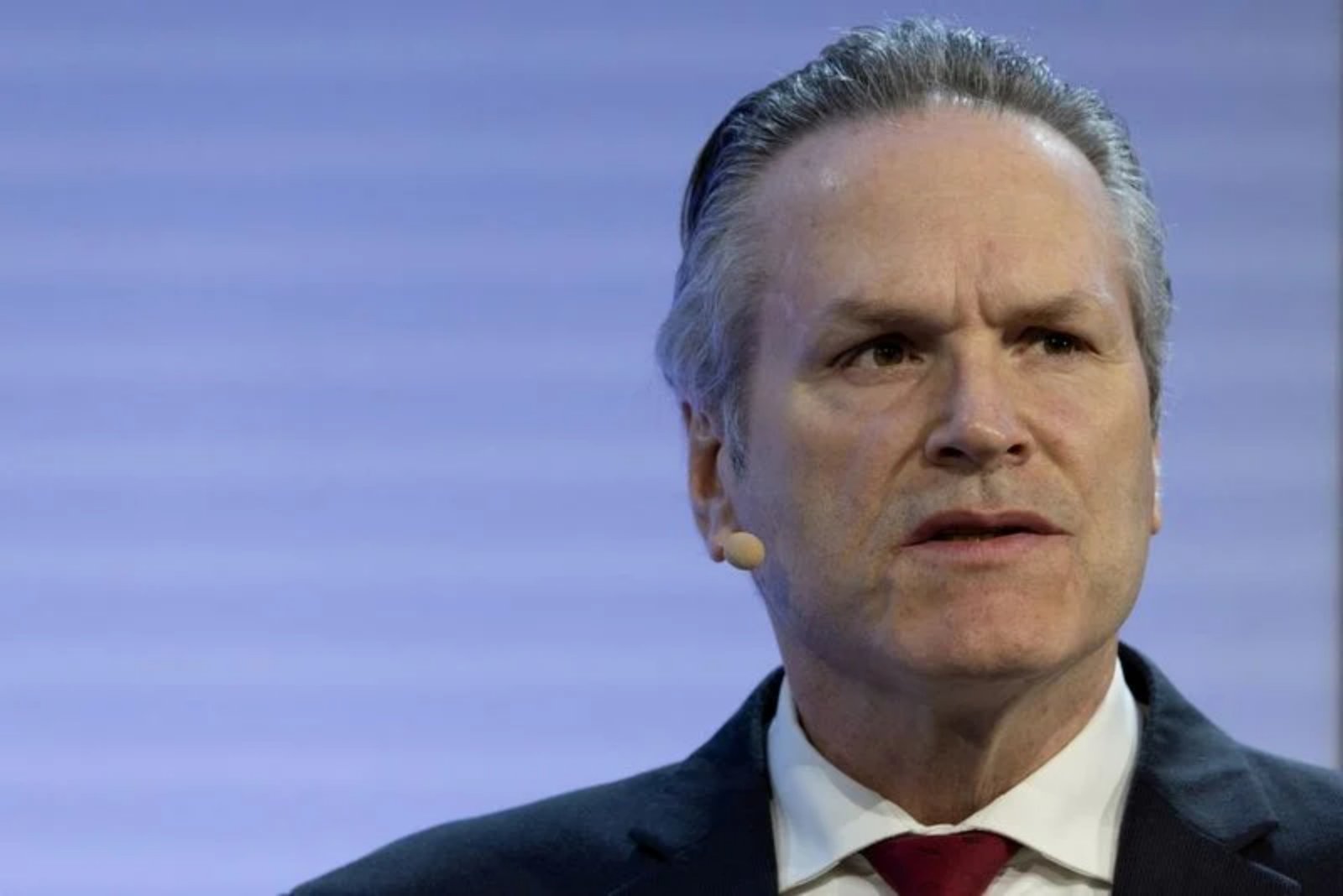
On Aug. 13, Governor Mike Dunleavy publicly expressed strong disappointment after the Alaska state legislature declined to reconvene this session to vote on a tax change seen as essential to advancing the Alaska LNG pipeline and export terminal project, estimated at $50 billion.
In a post on X late on Wednesday, Dunleavy warned that the legislature's choice not to take up the tax amendment would send a "negative signal" to investors and potential partners. He said the delay could have broader consequences for the state's energy supply, adding that "Alaska is running out of affordable, reliable natural gas."
"This is a long-standing issue that has grown more urgent over decades of inaction. Delaying action only increases risk, raises costs, and limits future options," Dunleavy wrote.
Local coverage reported that legislators decided against reconvening because they did not have sufficient support for the bill. Following the session, the governor urged lawmakers to return on August 20 to take a vote.
Project status and external interest
The Alaska LNG scheme aims to build a pipeline and liquefaction terminal to export natural gas to Asia while also increasing access to gas within the United States. The Trump administration has promoted the project as a means to bolster national security and expand trade with partners and allies, including Japan.
The White House and the Department of Energy did not immediately respond to requests for comment. Glenfarne, the lead developer of the project, also did not immediately respond to a request for comment.
Executives at Glenfarne said in March that the war in the Middle East had heightened interest in Alaskan gas among Asian buyers. At that time, the company said it was aiming to make final investment decisions this year and next and planned to begin shipping liquefied natural gas in 2031.
Offtake commitments and approvals
Japan's two largest LNG importers, JERA and Tokyo Gas, have signed preliminary agreements to purchase a combined 2 million metric tons per year from the Alaska LNG project. Final approvals for the pipeline and export terminal remain pending because Glenfarne has not yet reached its internal target for binding offtake contracts.
The developer's goal is to secure binding agreements for 80% of the planned export capacity, which is 20 million tons per year. In March, Glenfarne executives said they had lined up commitments equivalent to 13 million tons per year. They stated the company still needed agreements for another 3 million tons to reach the 80% threshold and to convert commitments to binding contracts in order to arrange project financing.
Implications
The legislature's failure to vote leaves the timing of key decisions uncertain and keeps final approvals and financing on hold until the required tax and contractual milestones are met. The governor's call for reconvening aims to change that calculus, but the immediate outlook depends on whether lawmakers will secure the support necessary to proceed.