
Market moves
Oil futures rose modestly on Friday after renewed U.S. threats to sustain a naval blockade of Iran, bringing supply-side risks back into focus following a pullback driven by weaker demand expectations.
By 0130 GMT, Brent futures were trading at $87.16 a barrel, up 9 cents, or 0.1%. U.S. West Texas Intermediate (WTI) crude futures were up 4 cents at $81.29 a barrel. Both benchmarks had dropped more than 2% in the prior session, trimming gains that had followed a six-session rally for Brent and a five-session rise for WTI. Despite the recent volatility, Brent and WTI remained on track for weekly gains of roughly 4%.
U.S. policy and official remarks
The United States said it could maintain a naval blockade of Iran indefinitely and planned to intensify economic pressure on Tehran as ceasefire talks stalled. In an interview on Newsmax's "Rob Schmitt Tonight" program, U.S. Treasury Secretary Scott Bessent warned: "Watch this space for more announcements coming next week because we are going to apply measures like have never been seen in the history of economic isolation on a country."
Regional dynamics: Strait of Hormuz and incidents at sea
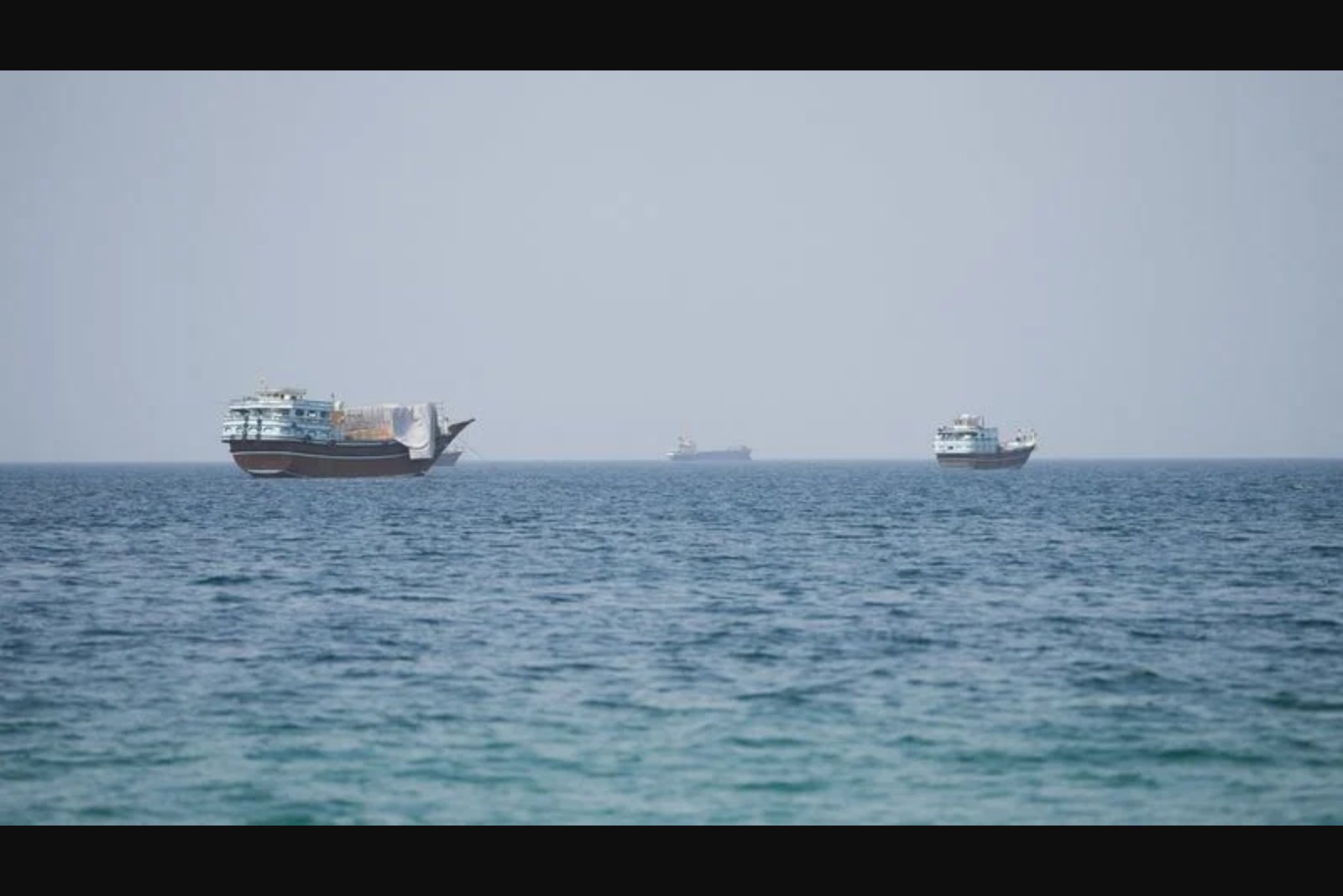
Iran has continued to curb traffic through the Strait of Hormuz, a waterway that previously carried about 20% of the world's oil before the conflict, a move that has contributed to higher fuel prices and increased political pressure on U.S. leadership, including President Donald Trump, to end a war that is unpopular domestically.
The recently appointed head of Iran's Basj paramilitary unit, Hossein Taeb, was quoted by the semi-official Fars news agency as saying the strait is "under the management and control of the Islamic Republic."
Separately, UAE state news agency WAM reported that two vessels owned by the state-controlled Abu Dhabi National Oil Company were attacked while transiting the strait on Thursday evening. The United Arab Emirates government condemned the incident as an Iranian attack.
Demand outlook and inventories
Supply concerns arising from the prospect of a protracted conflict were offset this week by downward revisions to demand growth from both OPEC and the International Energy Agency. Those weaker demand forecasts, combined with U.S. data showing that domestic crude stocks recorded their largest weekly increase in over three and a half years, have acted as countervailing forces for oil prices.
Tim Waterer, chief market analyst at KCM, summarized the market's posture: "The result is a market that remains supported but struggles to break meaningfully higher while these opposing pressures remain in place," he said.
Outlook
With high-stakes political measures and tactical maritime incidents occurring alongside softer demand signals and a sizeable build in U.S. inventories, oil markets remained caught between upward pressure from supply risk and downward pressure from demand concerns and stock builds.