
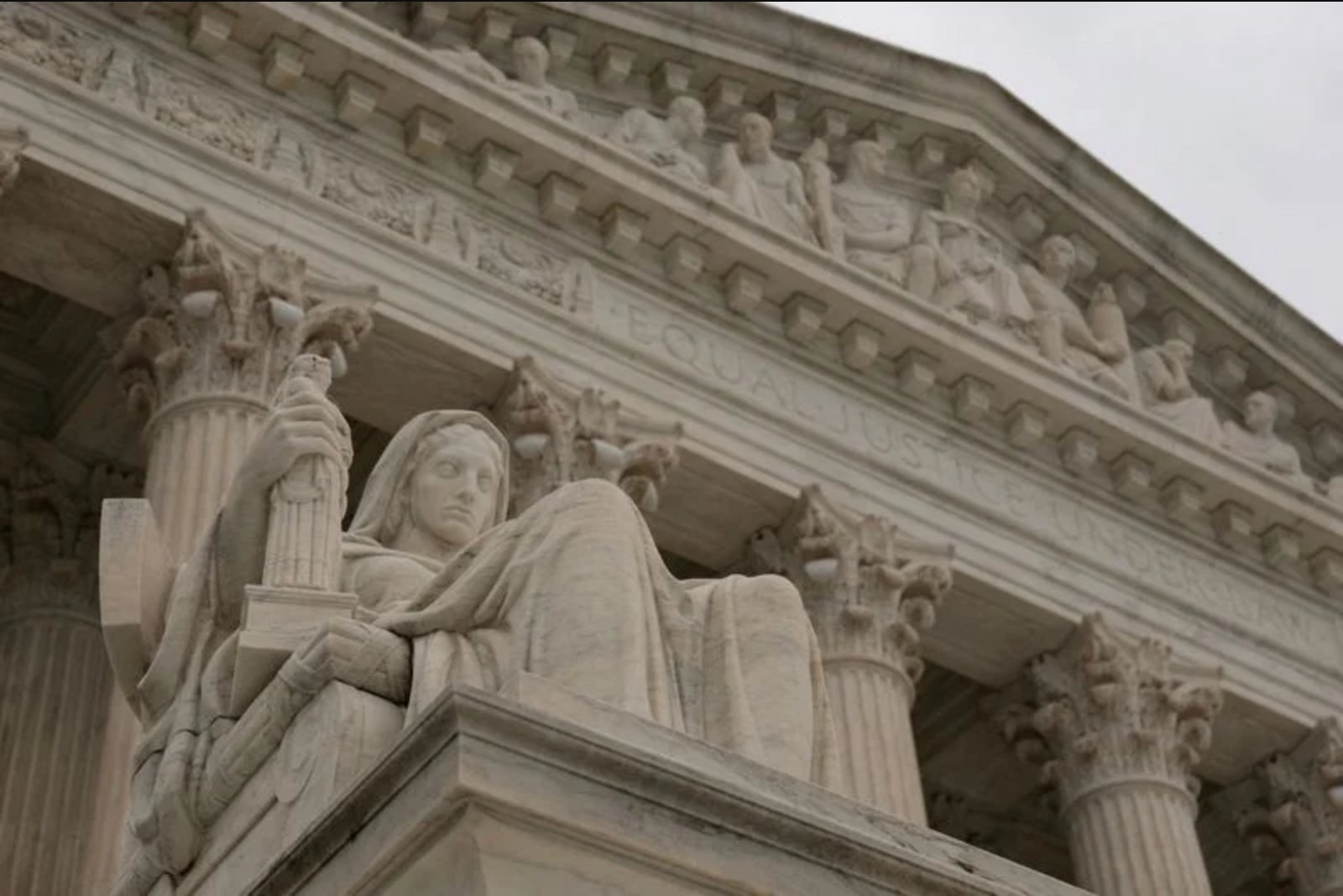
The U.S. Supreme Court on Monday granted review of a federal government appeal over whether certain convicted non-U.S. citizens can be held for extended periods without a bond hearing to determine eligibility for release. The case challenges a lower court ruling that concluded the Constitution’s guarantee of due process bars "unreasonably prolonged" detention without an opportunity to seek release on bail for non-citizens who face deportation after criminal convictions.
The appeal, brought by the administration of President Donald Trump, asks the high court to weigh in after the 2nd U.S. Circuit Court of Appeals concluded that two men detained during immigration proceedings were entitled to bond hearings because their lengthy confinement had become constitutionally problematic.
Facts of the cases before the courts
The litigation involves two lawful permanent residents who were detained after being convicted of serious crimes that federal immigration law treats as aggravated felonies. Federal statutes require authorities to detain and pursue removal of non-U.S. citizens convicted of aggravated felonies and certain other serious offenses, as well as persons accused of terrorism.
According to court records, one of the men, identified as G.M. in the filings, is a Dominican national who became a lawful permanent resident in 2011. He pleaded guilty in New York to assault four years later, and was taken into immigration custody in 2020. A federal judge denied his habeas corpus petition in 2021. G.M. was ultimately released in 2022 after spending 21 months in detention, with his release tied to concerns about the spread of COVID-19.
The other detainee, identified as Carol Black and reported as a Jamaican citizen, became a lawful permanent resident in 1983. Court filings state he was convicted in New York in 2000 of sexually abusing a child younger than 11 years old. Federal immigration officials took Black into custody in 2019. A separate federal judge granted his habeas petition in 2020 and ordered a bail hearing. He was later released on a $15,000 bond.
Court papers further note that Black, after initially appealing a deportation order, left the United States in 2025 with his wife and has stated no intention of returning; his lawyer has argued that this development should render his case moot.
Rulings below and legal standards at issue
On appeal, the Manhattan-based 2nd U.S. Circuit Court of Appeals found that the length of detention in these two matters was unreasonable without affording the detainees an opportunity to seek bail. The court described Black’s confinement of seven months and G.M.’s detention approaching two years as constitutionally troubling, holding that the Fifth Amendment’s due process clause entitled the men to bond hearings under the circumstances presented.
While the 2nd Circuit stopped short of imposing a bright-line time limit for such immigration detentions, it set a higher standard for the government to meet if it intends to maintain custody. The appeals court said that, in these circumstances, the government must demonstrate by clear and convincing evidence that a detainee poses either a risk of flight or a danger to the community in order to justify continued confinement without a bond hearing.
Supreme Court context
The high court is scheduled to consider the government’s appeal during its next term, which begins in October. The move comes amid a series of recent and pending Supreme Court decisions and emergency orders involving immigration policy and enforcement actions taken by the same administration.
Recent emergency rulings by the Supreme Court have favored the administration on multiple immigration-related actions, including allowing deportations to countries other than a migrant’s country of origin and permitting the revocation of temporary legal status for certain Venezuelan immigrants. The court is also expected to issue rulings soon on the legality of a presidential directive intended to restrict birthright citizenship and on the administration’s effort to end temporary legal protections for more than 350,000 Haitians and about 6,100 Syrians residing in the United States.
What is now at stake
The Supreme Court’s decision to hear the appeal presents an opportunity to set a national standard on when and under what conditions non-citizens facing deportation are entitled to a hearing to seek release on bond. The case asks the high court to resolve whether the due process protections identified by the 2nd Circuit should apply broadly and, if so, what evidentiary showing the government must make to continue detention without a bond hearing.
Arguments are expected during the court’s October term.