
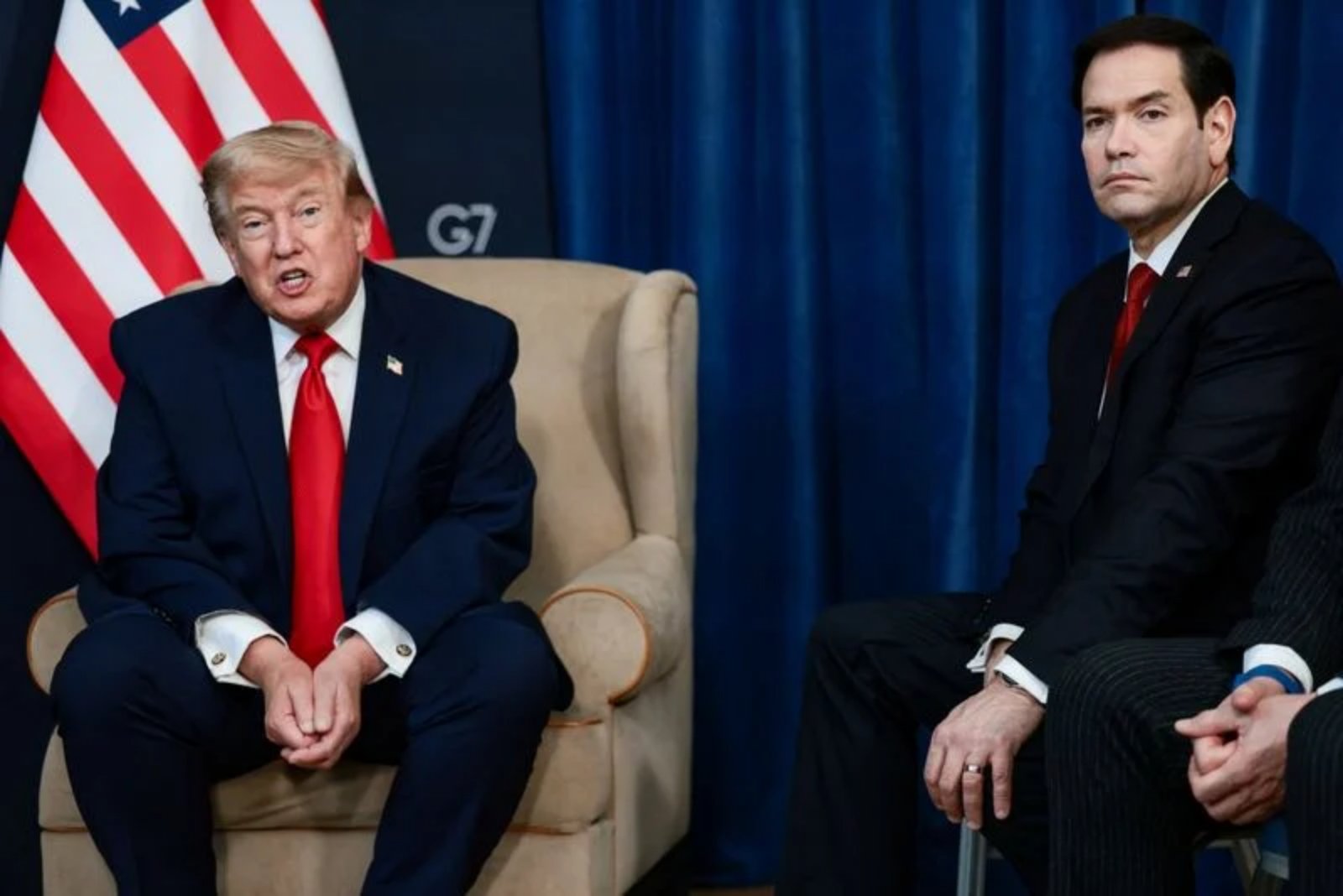
U.S. Secretary of State Marco Rubio will undertake a three-day diplomatic tour to the United Arab Emirates, Kuwait and Bahrain beginning Tuesday, the State Department said. The trip, scheduled to run through Thursday, gives the Trump administration an opportunity to present the outlines of the recently signed memorandum of understanding with Iran directly to Gulf Arab governments.
State Department spokesperson Tommy Pigott said Rubio will also meet with the Gulf Cooperation Council - the six-member bloc of Sunni monarchies that includes Saudi Arabia, Qatar and Oman - during his stop in Bahrain. The discussion is intended to cover a suite of regional priorities tied to the new Iran MoU and other shared security concerns.
Gulf leaders have broadly supported efforts to end the U.S.-Israeli conflict with Iran, but many officials in the region have voiced unease with specific elements of the memorandum of understanding signed last week by U.S. President Donald Trump. One recurring worry among regional officials is the possibility that a proposed $300 billion reconstruction fund for Tehran could be used to rebuild Iranian military capabilities and to supply proxy forces across the region.
Another source of unease for Gulf partners is the MoU's omission of measures addressing Iran's ballistic missile program. Gulf states have been on the receiving end of Iranian missile and drone attacks in recent months, and the absence of explicit constraints on Tehran's missile activities remains a point of anxiety for U.S. allies in the region.
The five Gulf states that host U.S. military facilities - the United Arab Emirates, Saudi Arabia, Kuwait, Bahrain and Qatar - form the backbone of America's regional security architecture. Pigott emphasized that the administration views the security relationship with these partners as central to U.S. strategy in the Middle East. Any material reconsideration of that partnership by host countries could have meaningful consequences for U.S. military posture in the region.
Rubio's trip comes during a period of intensified diplomacy related to Iran. On Wednesday, President Trump signed the Iran memorandum of understanding, which initiates a 60-day period for Washington and Tehran to work toward a more comprehensive agreement. Over the preceding weekend, a U.S. negotiating team led by Vice President JD Vance participated in talks in Switzerland, mediated by officials from Qatar and Pakistan. That first round of negotiations concluded on Monday, and technical discussions are expected to continue through the week.
Specific details of Rubio's itinerary, including the exact timing of each stop and the list of leaders and officials he will meet, were not immediately available. In his role as both secretary of state and White House national security advisor, Rubio is slated to "discuss a range of regional priorities including the memorandum of understanding with Iran, efforts to secure full and free safe transit through the Strait of Hormuz, and the importance of peace and stability in the region," according to Pigott.
Contextual note: The administration's MoU starts a formal 60-day interval for negotiating a broader accord with Iran. Gulf partners have voiced concerns about provisions they view as potentially strengthening Tehran's financial and military position, while technical negotiations between U.S. and Iranian teams continue following mediation in Switzerland.