
Overview
Puerto Rico’s government has ordered a rotating water rationing program to take effect on Friday across the island in response to an extreme drought. Under the plan, areas served by the Carraizo reservoir will be split into two zones that alternate between service and no-service periods on 48-hour cycles, a schedule that will leave many residents without running water for two days at a time.
Duration and official statements
The Aqueduct and Sewer Authority published details of the rationing schedule on its website, noting the cuts will remain in place at least through the end of August. At a press conference late on Wednesday, Governor Jenniffer Gonzalez said she does not know how long the measures will be necessary. Earlier on Wednesday, Gonzalez said in a press release:
"This situation is out of our hands,"attributing the crisis to the prevailing climate conditions.
Hydrological and meteorological context
San Juan recorded its driest July on record, according to the National Weather Service. The U.S. Drought Monitor indicates that nearly 68% of Puerto Rico is experiencing drought conditions. The National Oceanic and Atmospheric Administration has issued an outlook that places the odds of below-normal rainfall and above-normal heat for Puerto Rico at greater than 70% from August through October, a projection officials link to a strengthening El Nino pattern that is suppressing the tropical waves that typically bring late-summer rainfall to the island.
Scope of rationing and operational response
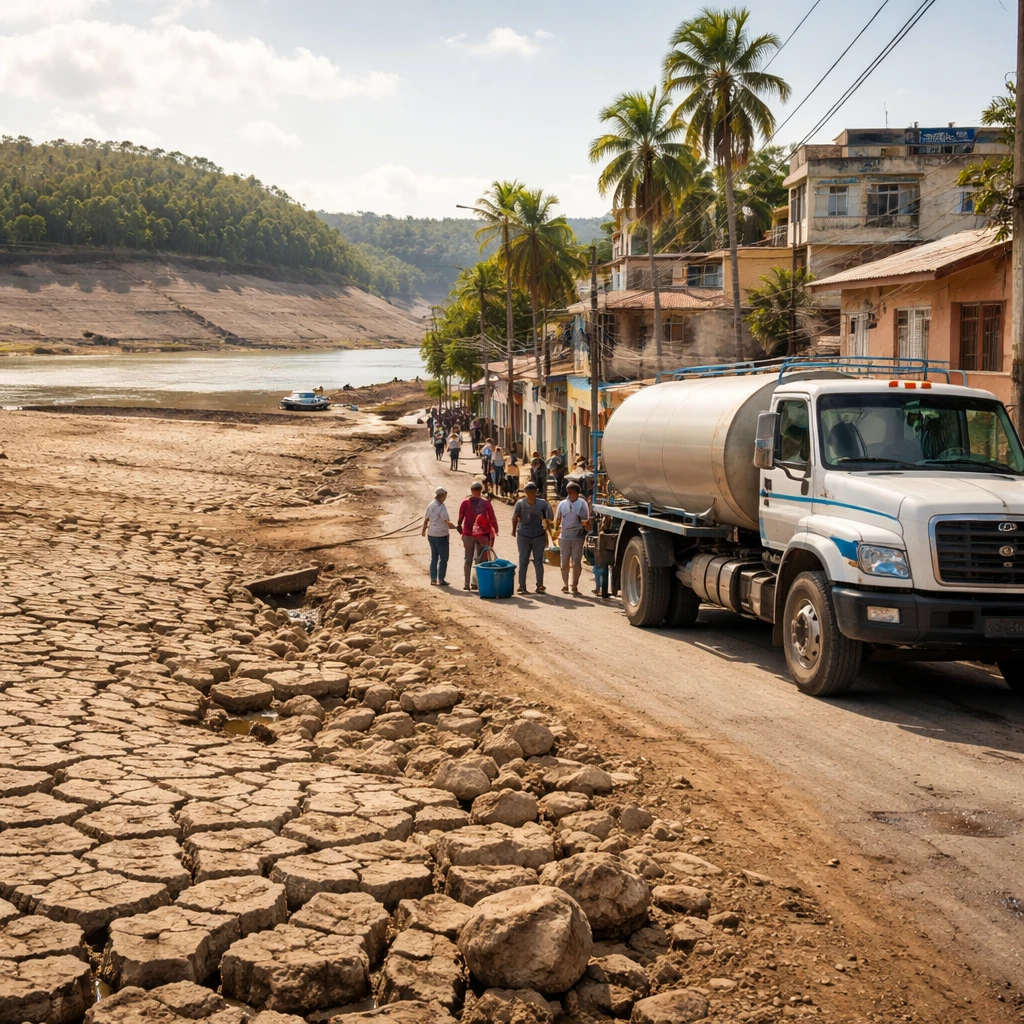
The current phase of cuts will affect seven municipalities, including the capital, San Juan. Authorities say those municipalities all receive water from the Carraizo reservoir, which is at critically low levels. To mitigate immediate needs, the Puerto Rico Aqueduct and Sewer Authority plans to deploy water trucks to communities affected by the rationing. Priority for these deliveries will be given to hospitals and long-term care facilities.
Public guidance and conservation measures
Officials have urged customers to conserve water during periods when service is available and to refrain from non-essential uses such as washing cars or watering lawns. The authority also recommended that residents boil water for at least three minutes once service resumes as a precaution against potential contamination after interruptions in supply.
Implications for services
The measures place immediate operational demands on the island’s water distribution system, requiring scheduled shutoffs, supplemental trucked deliveries, and protective advisories for public health institutions. Authorities have indicated uncertainty about the overall duration of rationing while forecasting a continued period of unfavorable rainfall and higher temperatures.