
Los Angeles - The Iran national soccer team landed in Los Angeles on Sunday, having flown from their training base in Tijuana, Mexico, in advance of their Group G opener against New Zealand. The match is scheduled for 6 p.m. local time (0100 GMT). Their arrival came as officials announced a deal to end the U.S.-Iran war.
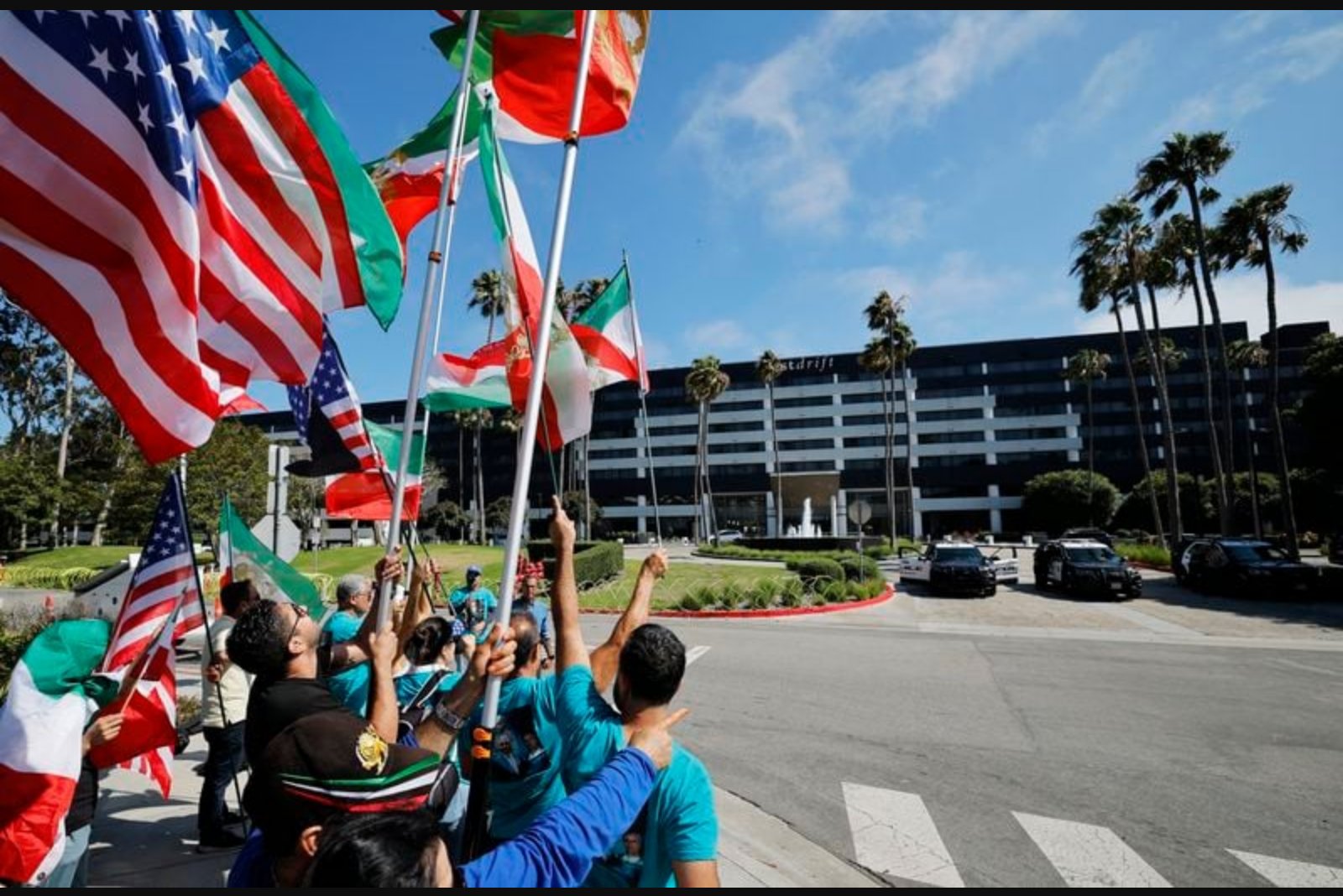
Expectations of protests are high in Los Angeles, which hosts the largest Iranian community outside Iran. Members of that diaspora, many of whom left Iran after the Islamic Revolution, are reported to be preparing demonstrations directed at both Tehran and the U.S. military campaign.
Iran’s participation in the tournament has taken place against a backdrop of conflict and domestic unrest. The war began in February when the U.S. and Israel launched strikes on Iran. Those events followed nationwide protests in Iran in January during which thousands were killed in a government crackdown, according to accounts included in reporting on the situation.
Within recent weeks the team altered its training location from Arizona to Tijuana, while the Iranian football federation raised complaints that not all their staff were granted U.S. visas. The federation also reported that tickets previously allocated to Iran supporters had been withdrawn.
In Los Angeles, Iranian American soccer fans described mixed emotions ahead of the match: excitement at seeing their national side on soccer’s biggest stage, anger toward Tehran over the crackdown on protesters, and unease about U.S. bombing operations. Some said they planned to protest outside the stadium. Others said they intended to watch from home, citing concerns about potential disturbances at the venue or the perception that attending would signal support for Iran’s government.
"How can they go to cheer a team that comes with the flag of the Islamic Republic and national anthem?" said Koroush Krumarsi at a small protest outside the team hotel on Sunday.
Some supporters indicated they planned to bring pre-revolutionary Iranian flags to the match, a banner that features the same colours as the current official flag but bears a different lion-and-sun motif. Organizers and authorities view such displays as potentially provocative, and Iran has warned it may halt matches if unofficial flags are displayed or certain slogans are chanted.
The prospect of protesters bringing such flags raises questions about how security will balance enforcement with rights to freedom of speech and expression. A California non-profit has filed a lawsuit seeking to block any restrictions on flags or expressions by spectators.
FIFA, world soccer’s governing body, has said it prohibits flags or apparel of a political nature when asked about the issue. However, it has not issued a specific declaration regarding how it will treat the Iranian pre-revolutionary flag at matches.
The combination of diplomatic developments, lingering grievances from recent events in Iran, visa and ticketing disputes, and pending legal action has created an unsettled environment around Iran’s World Cup appearances in Los Angeles. Organizers, security officials and legal authorities will be tasked with managing protests, preserving public order, and enforcing tournament rules as the match approaches.