
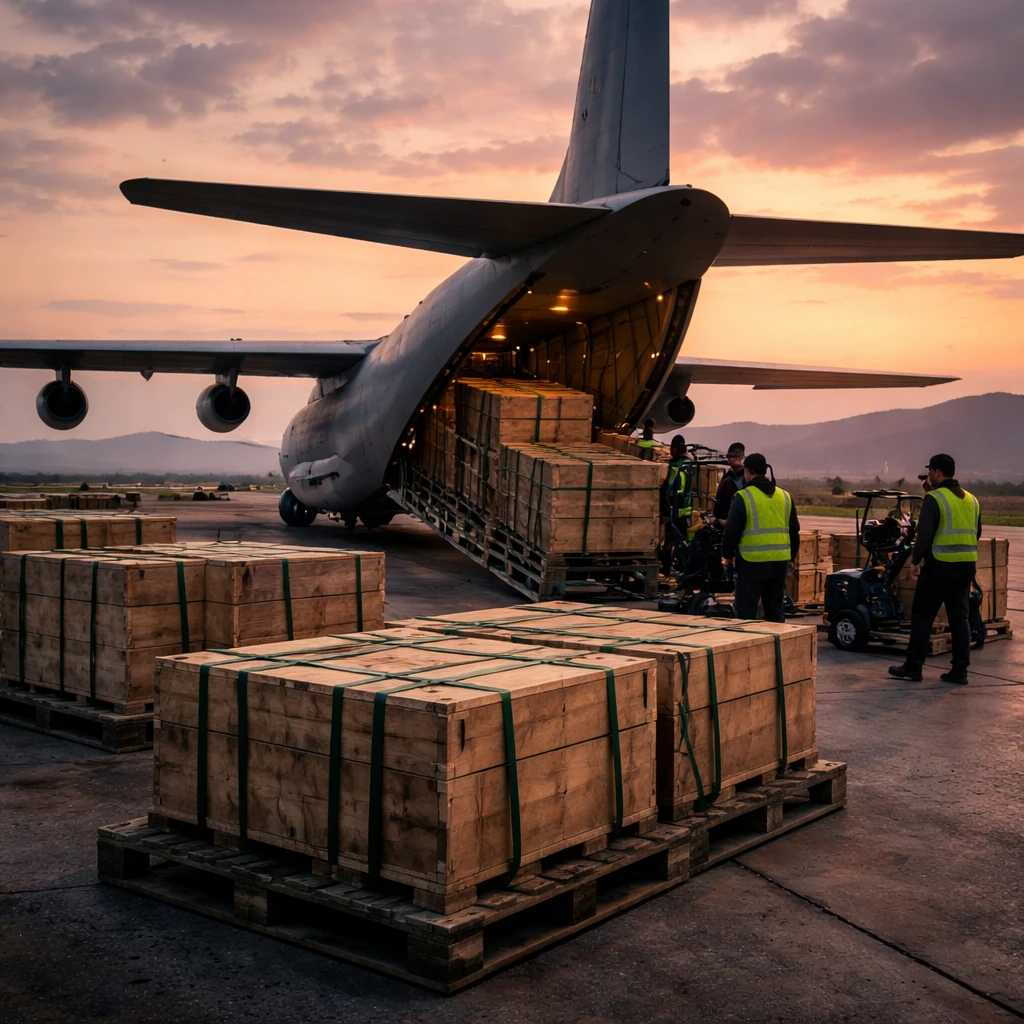
The Islamic Republic is poised to receive, within weeks, the first shipment from an order that could total as many as 400 Chinese-made shoulder-launched air-defence missile systems, three sources familiar with the arrangement said. The purchase is valued at between $60 million and $70 million and represents one of Tehran's largest-known efforts to bolster short-range air-defence capabilities since the outbreak of sustained hostilities with the United States and Israel.
According to the sources, the contract covers the acquisition of between 300 and 400 man-portable air defence systems - commonly referred to as MANPADS - and explicitly includes Chinese-made QW-12 and FN-16 missiles. The agreement was signed with Zhongqing Baoshang International Investment, a Hong Kong-based company that the sources described as acting in the role of intermediary between the Iranian side and the Chinese supplier.
The sources declined to be identified because of the sensitivity of the transaction. Iran's foreign ministry did not immediately respond to requests for comment. China's Foreign Ministry said: "The relevant reports are completely groundless. China has consistently played a role in promoting peace and ending the conflict." When asked about the reported deal at a regular press briefing, Chinese defence ministry spokesperson Jiang Bin said he was "not familiar with the relevant situation." The parent company of the intermediary, Beijing-based Zhong Qing Bao Shang Group, did not immediately reply to an emailed request for comment.
Iran's need to replenish and expand its short-range air-defence capability comes after months in which U.S. and Israeli strikes targeted facilities linked to Tehran's missile, drone and air-defence programmes. Iran has retaliated with barrages of ballistic missiles and waves of drones. Those exchanges, the sources said, exposed vulnerabilities in Iran's ability to protect fixed military sites and key strategic infrastructure against advanced aircraft and precision-guided weapons.
Washington paused an ongoing two-week bombing campaign on Saturday, but President Donald Trump said strikes would resume if negotiations failed to bring an end to the five-month-old conflict, which has been in a state of ceasefire since April in theory. The potential incoming deliveries of hundreds of MANPADS would substantially increase Iran's inventory of short-range air-defence weapons and would highlight a deepening pattern of military ties with China if they proceed as planned.
The sources cautioned that, although the contract had been signed, certain details remain subject to change. Delivery timetables, the exact quantities shipped in initial consignments and related implementation arrangements could still be altered, they said.
Under the logistical plan agreed by the parties, the initial movements are to be flown from Urumqi in western China. From there the shipments would transit through Pakistan en route to Iran, the sources said. They did not specify whether the legs of transit through Pakistan would be conducted by air or by road. Pakistan's military public relations wing ISPR issued a statement rejecting suggestions of its involvement, saying: "Speculations of Pakistan being involved in supply of Air Defence weapons to Iran from China are absolutely concocted and false." A spokesperson for Pakistan's foreign ministry did not respond to requests for comment.
While Tehran has invested heavily over the last two decades in missiles, drones and radar, military analysts emphasize that portable air-defence systems fill a distinct tactical role. MANPADS can be dispersed rapidly, operated by small teams and repositioned frequently - traits that make them less vulnerable than fixed air-defence batteries and useful for protecting mobile units, military installations, energy facilities and other sensitive sites.
A European security source said authorities in his country were aware of several contracts under discussion that involved the potential sale of QW-series MANPADS to Iran, including QW-12, QW-18 and QW-19 variants. A second security source based in the Middle East said Iran had sought to acquire QW-12 and QW-18 missiles, though that source was not aware a deal had already been finalised.
The QW-12 and FN-16 are shoulder-fired, infrared-guided surface-to-air missile systems designed to engage low-flying aircraft, helicopters and drones. Their mobility allows for rapid deployment around strategic targets. Defence analysts typically view the QW-12 as less capable than more recent QW variants - such as the QW-18 and QW-19 - but nonetheless consider these systems able to provide an effective layer of short-range protection against drones and other low-altitude threats.
Two Western intelligence sources and an Iranian official said Tehran had also explored using overland routes to move Chinese military supplies and dual-use components more discreetly, a measure intended to reduce the risk of disruption. The procurement underscores the continued reliance of the Islamic Republic on a mix of domestic weapons production and imports from foreign suppliers despite long-standing sanctions and restrictions on defence-related items.
Earlier reporting indicated Iran was close to securing a separate agreement with China to acquire anti-ship cruise missiles, according to people familiar with those negotiations, though it could not be determined whether that agreement ultimately proceeded to delivery.
Context and implications
The arrangement, if implemented as described by the sources, would materially expand Iran's capacity to deploy short-range air-defence systems at scale. The mobility of MANPADS makes them particularly relevant to protecting dispersed or vulnerable installations, including those that have been repeatedly targeted during recent months of conflict. At the same time, official denials and the acknowledged fluidity of delivery plans mean implementation remains uncertain.