
Global markets enter a compressed and information-dense window with a series of major developments set to land within the next 24 hours - a schedule that risks producing rapid re-pricing across bonds, currencies, energy and equity sectors.
At the center of attention is the Federal Reserve, where markets expect what has been described as a 'hawkish hold' on interest rates. With the decision imminent, traders and analysts are focusing closely on the language Fed Chair Kevin Warsh uses in his press conference and, in particular, on any signals about the likelihood of another hike before year-end. The number of policymakers who dissent from a decision to hold could be a pivotal detail for market interpretation.
That spotlight comes against an economic backdrop where headline and core annual inflation rates are reported to be rising again, while unemployment has remained below 5% for more than five years. Those conditions create pressure for the Fed to reassess what it considers a 'neutral' policy stance. Financial conditions are also described as relatively loose, adding another dimension to how policymakers may frame the outlook even if they pause on immediate rate increases.
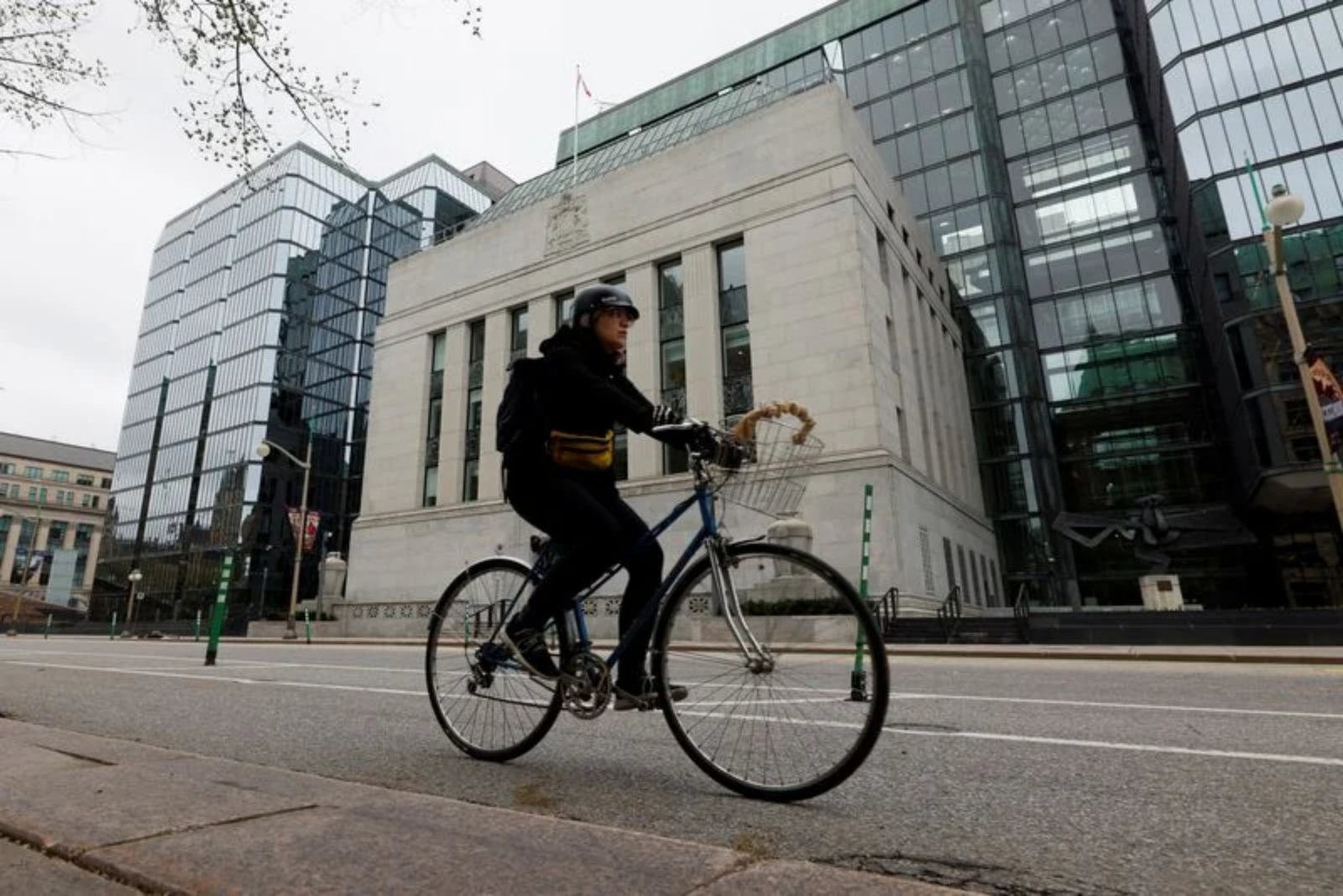
North of the U.S. border, the Bank of Canada is widely expected to break a three-year pause and lift rates. The prospect of a move by Canada’s central bank sits alongside other central bank surprises: New Zealand’s monetary authority recently held rates in a narrow vote despite widespread expectations of a hike, a decision that sent the kiwi dollar down more than 1% overnight.
Equities have arrived at this busy calendar with a buoyant tone. AI-focused stocks rallied on Tuesday, and heavyweight chipmaker SK Hynix jumped sharply after reporting a year-on-year tripling of net profit and unveiling plans to return about $75 billion to shareholders. U.S. tech giants Microsoft and Alphabet are due to report quarterly results after the market close Wednesday, adding another potential source of volatility for broader stock indices.
Energy markets offer a counterpoint to the upbeat tone in parts of equities. Brent crude continues to push above $115 per barrel, with market participants noting reports that the U.S. is considering resuming attacks on Iran after next week’s midterm elections. Those developments, combined with the war’s broader regional effects, are keeping prices elevated and leaving little room for relief in energy costs.
Geopolitical and regional economics snapshot
Warfare in the region has exacted a heavy toll on global energy prices and on the economies of nearby states. Observers point out that Iran’s domestic economy has been deteriorating for an extended period and that the Iranian rial has been in freefall for most of that time. Diplomatic efforts continue: Qatari mediators presented Tehran with a new draft agreement on Sunday aimed at ending the conflict with the U.S. and Israel, and Iran is expected to deliver a formal response to that draft by the end of the week.
Political rhetoric is escalating alongside these diplomatic moves. Former President Trump reiterated threats to strike Iran again after the midterm elections, while Iranian officials have publicly stated they have prepared detailed plans to target Gulf undersea cables should attacks resume. Those declarations underscore the potential for substantial disruption to regional infrastructure and energy flows if hostilities intensify.
U.K. budget and policy signals
In London, the usual nervousness surrounding the annual budget has been intentionally muted. Britain’s finance minister John Healey indicated there would be no sweeping adjustments to tax, spending or borrowing plans, a stance designed to defuse market anxiety by presenting the budget as deliberately unexciting.
Key events to watch today
- Federal Reserve interest rate decision - 2:00 p.m. EDT; Chair Kevin Warsh press conference - 2:30 p.m. EDT
- U.S. corporate earnings - Alphabet, Microsoft and others reporting after the bell
- Bank of Canada interest rate decision - 9:45 a.m. EDT
- U.K. annual budget - 8:30 a.m. EDT
Market ticks and recent moves reflect the cross-currents: NZD/USD was lower by about 1.36%, Microsoft was slightly down, Alphabet showed a modest gain, while SK Hynix surged by more than 10% on its earnings and capital return announcement. Brent crude climbed, reinforcing pressure on energy markets globally.
Traders will be parsing central bank language, earnings detail, and geopolitical headlines in real time. The combination of monetary policy nuance, corporate earnings centered on AI, and ongoing Middle East tensions means market participants may face rapid swings as new information filters through.