
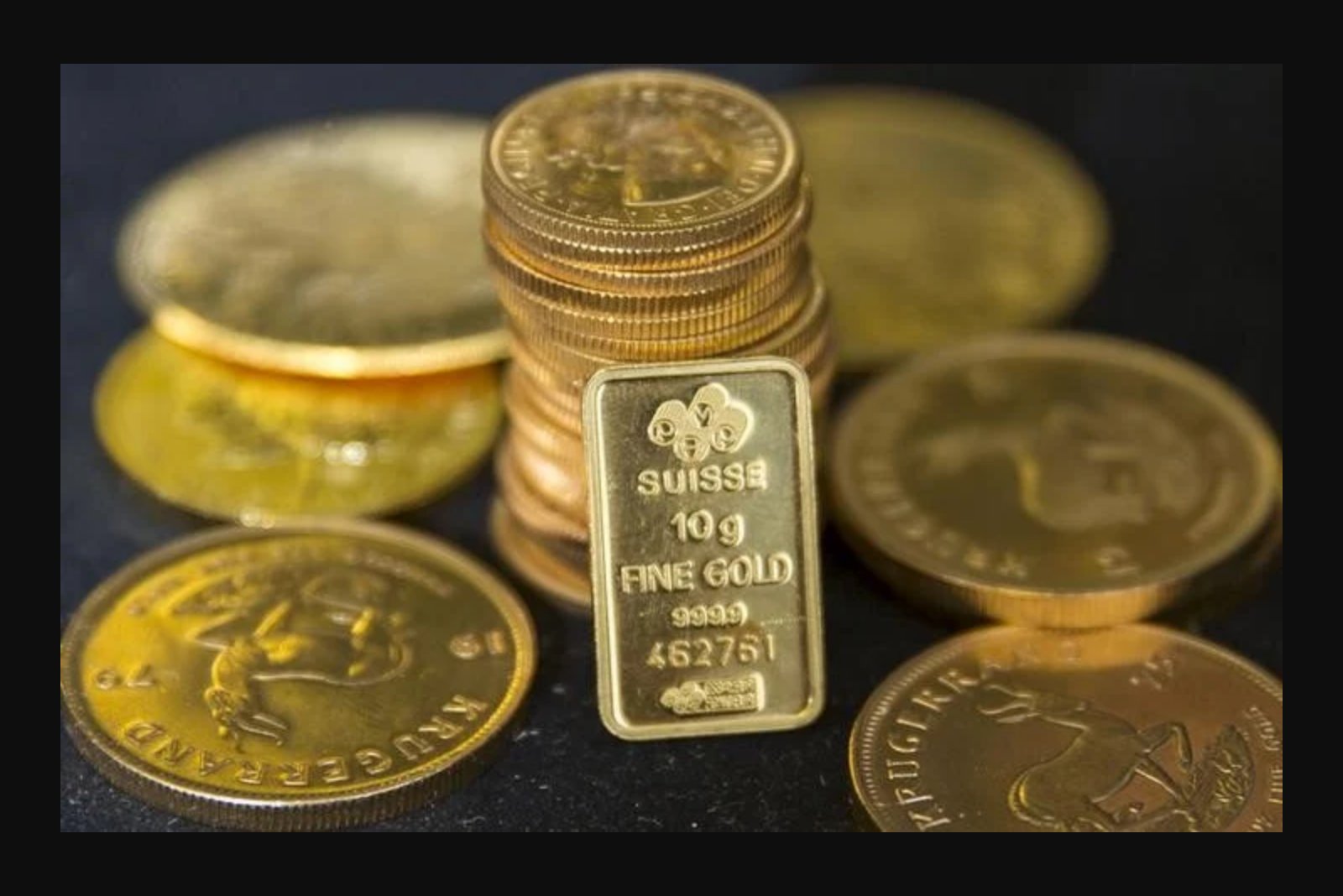
Gold prices were steady above $4,000 an ounce on Wednesday as market participants positioned themselves ahead of key U.S. policy and inflation data. At 20:46 ET (00:46 GMT), spot gold was quoted at $4,061.96 an ounce, while U.S. gold futures were slightly higher at $4,075.80.
Other precious metals showed mixed movement. Silver traded flat at $54.4065 an ounce. Platinum slipped 0.1% to $1,542.63, while spot palladium rose 0.1% to $1,037.39. The U.S. Dollar Index edged up 0.02% to 102.34.
Bullion had retained a 1.1% gain from the previous session as investors balanced several cross-currents. Oil prices were little changed after falling for two straight sessions. Meanwhile, global equity markets advanced as appetite for investments tied to artificial intelligence recovered following last week's selloff. The outcome of a closely contested Israeli election was also being watched by market participants.
The yellow metal has felt pressure in recent days amid the broader unwinding of the AI trade, with some investors selling gold to raise cash to cover losses in other asset classes when technology stocks declined. The metal slipped to its lowest level since mid-July on Friday. Although prices have dipped below $4,000 at times this month, buying by physical investors and bargain hunters has helped prevent a deeper, sustained decline.
Demand from Chinese households has offered further support to prices. Over the past two months, buying interest in bullion in China has strengthened as local prices softened and domestic equities lost appeal. These household purchases have helped establish a floor under gold prices despite wider market volatility, according to ANZ.
Attention in the immediate term is focused on the Federal Reserve. The Fed is widely expected to leave interest rates unchanged at its meeting on Wednesday - a prospect that typically supports gold, given that the metal does not pay interest. Nonetheless, traders continue to price in the possibility of a rate increase before year-end, a view underpinned by persistently elevated energy costs that keep inflation concerns alive.
Fed Chair Kevin Warsh faces the task of reassuring investors that policymakers remain committed to bringing inflation under control even if they opt to hold rates steady this week. Market participants will scrutinize his remarks for guidance on the likely path of policy beyond the October meeting.
Investors will also be monitoring the U.S. personal consumption expenditures (PCE) price index, the Fed's preferred inflation gauge. The September PCE report is due Thursday and could affect expectations for the next policy move.
The coming days will therefore hinge on two closely watched data points - the Fed's policy decision and the September PCE release - as well as the tone of central bank communications. For now, a combination of bargain-driven buying, Chinese household demand, and a pause in oil weakness has helped gold maintain its position above $4,000 amid an otherwise mixed market backdrop.