
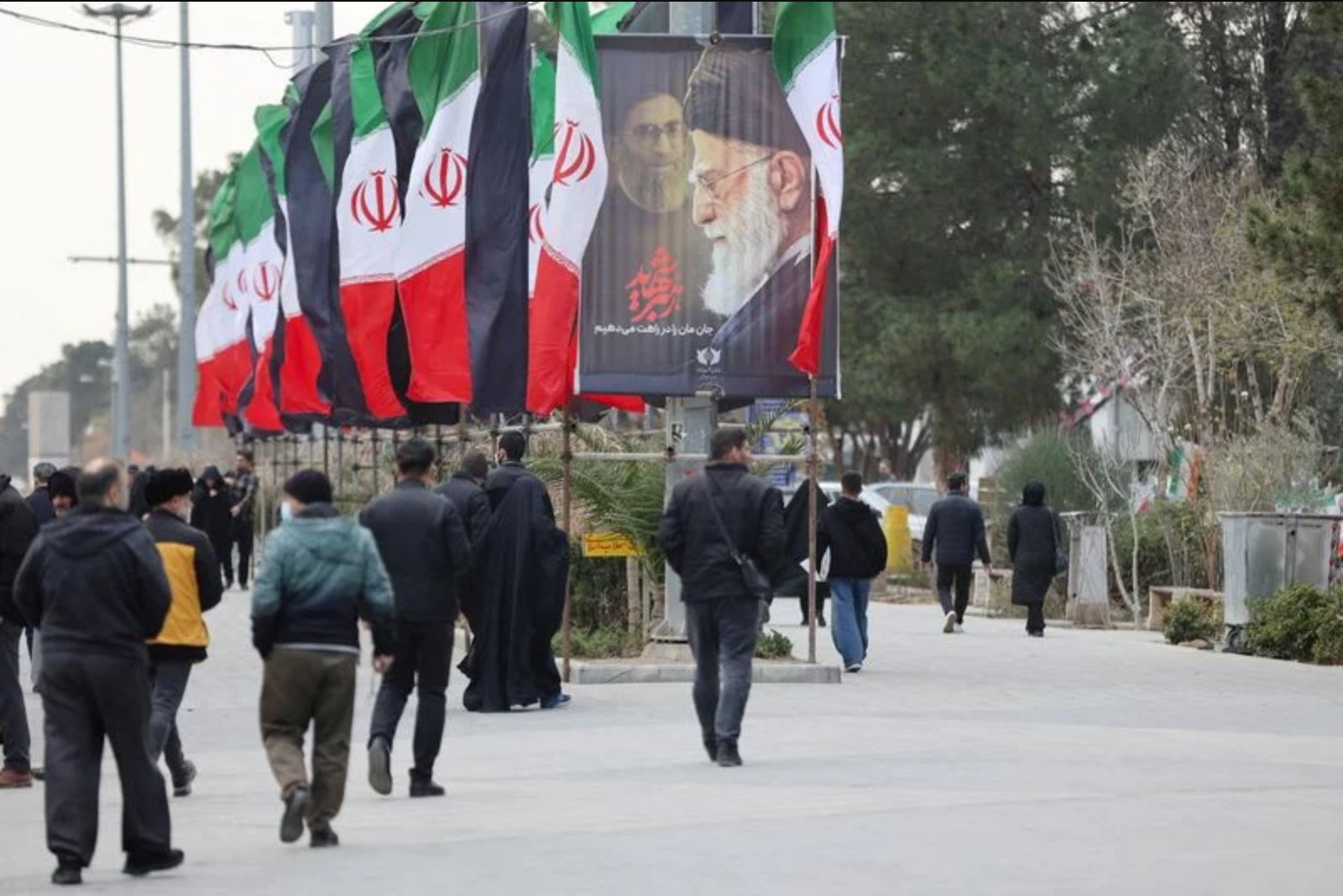
Iran’s leadership has reached a pivotal moment where the cessation of an externally focused military confrontation gives way to intensely domestic pressures. Elite hardliners who view the recent three-month standoff as a victory push for a firm posture in forthcoming negotiations with the United States and for continued rearmament. Ordinary citizens, in contrast, are looking for a tangible peace dividend - immediate relief to inflation, employment, banking liquidity and reconstruction after damage to industry and infrastructure.
Competing priorities inside the system
Hardline elements within the Islamic Republic are energized by what they see as success on the battlefield. They demand that the leadership translate that wartime posture into uncompromising positions in diplomatic talks and to prioritise rebuilding military capabilities. Several senior figures, including those aligned with the Revolutionary Guards, convey confidence that internal dissent can be suppressed if needed.
At the same time, multiple Iranian officials and one former official told Reuters that there is powerful popular expectation that any financial relief arising from suspended sanctions or the restoration of assets should be channelled to revive the economy and to improve people’s lives. According to a senior official cited by Reuters, Iranians are "weary of war and economic hardship" and would likely press the government to direct funds toward reconstruction, provide liquidity injections for banks and offer broader economic support.
High public expectations and the risk of renewed unrest
Authorities face a dual challenge: meeting high and possibly conflicting expectations from both their core hardline supporters and a population exhausted by years of sanctions and recent wartime hardship. One official described the deal that would end the conflict as "a double-edged sword" because it raises public anticipation of immediate improvement. The former reformist official who spoke to Reuters said the dangers of social unrest were understood at the top of Iran’s leadership and that this recognition was part of the rationale for accepting a deal to reopen the Strait of Hormuz.
Economic indicators described by officials paint a grim domestic picture: very high inflation, a tumbling currency, widespread unemployment and large-scale damage to industry and infrastructure since the war began. These problems will require substantial resources to address. "From a domestic perspective, Iran now has a limited window to bring internal conditions under control. The United States has always focused on internal developments in Iran and continues to do so," said Saeed Laylaz, an Iranian economist and political analyst.
Limited relief now, wider relief contingent on a broader deal
The memorandum to end the war, which Iran and the United States are to sign on Friday, is expected to include some near-term financial relief for Iran, with additional measures possible if a broader agreement can be reached later in the summer. But longer-term sanctions relief - the kind that would restore Iranian firms’ access to global markets and finance - would require a wider deal over Tehran’s nuclear programme, which officials see as a distant prospect.
Officials interviewed by Reuters noted that if the interim deal produces a rapid inflow of funds to the economy, the government might buy itself time before having to confront domestic discontent head-on. Hamidreza Azizi, a visiting fellow at the German Institute for International and Security Affairs in Berlin, said: "The moment the war ends, and as this interim deal is shaky, the actual problems for Iran’s clerical establishment will start." He added that the leadership must also persuade its hardline support base that any compromise struck is in their interest.
Hardliners expect political reward
Throughout the conflict, Iranian authorities relied on stern warnings, harsh punishments and orchestrated public mobilisations to deter dissent. Hardliners who had long urged a tougher stance toward the West - including demonstrations of power such as interrupting traffic through the Strait of Hormuz - feel vindicated and expect political credit. The hardline camp is not monolithic; it includes the Revolutionary Guards and groups such as the Paydari Front - composed of prominent parliament members, veteran politicians and influential media figures. The Paydari Front can mobilise significant street support, though it is not strong enough to unilaterally set state policy.
That faction has expressed dismay that Tehran opted to negotiate now rather than pressing for improved terms, particularly after the killing of Supreme Leader Ayatollah Ali Khamenei on the first day of the conflict. Critical voices among hardliners see the negotiations as a betrayal. As Hossein, a member of the Basij volunteer militia run by the Revolutionary Guards, put it: "They’re making a deal with the enemy that martyred our leader, even though we had won the war. So what happened to avenging Imam Khamenei’s blood? What kind of Islamic government is this? And now on Friday they want to shake hands with the Imam’s killers." He asked that his family name not be used.
Military rebuilding versus civilian relief
One of the officials Reuters consulted, while acknowledging the imperative of addressing public hardship, said the demonstration of military capability remained the top priority. That official stated that rebuilding Iranian military strength would "continue at full pace." This view highlights the central tension Tehran faces: whether to allocate scarce resources first to military restoration or to civilian economic recovery.
Azizi suggested that swift economic help could blunt immediate pressure from the public, giving authorities space to manage their hardline constituency. "The most immediate challenge for the leadership is how to convince their own hardline support base that this is actually a good deal. And that is because over the course of the war and during the ceasefire, they relied heavily on this hardcore minority," he said.
Social freedoms, political constraints
The last major wave of protests in 2022 to 2023 led to a de facto softening of public dress code enforcement for women after mass demonstrations triggered by the death in custody of Mahsa Amini. Women have since been able to appear in public without the long-mandatory headscarf - a change that hardliners continue to resent. Analysts note that, even as some social freedoms persist, the state has little tolerance for political freedoms that challenge the system.
During the conflict, the Revolutionary Guard's influence grew, aiding in advancing their preferred candidate Mojtaba Khamenei to succeed his late father as supreme leader. Khamenei has not appeared in public, and the Guards remain ascendant. Alex Vatanka, a senior fellow at the Middle East Institute in Washington, told Reuters that the Guards could be as ready to suppress ideological hardliners who reject a deal as they are to crack down on protesters challenging the Islamic system. "I think they will go after anyone who challenges the consensus because domestic control now, post Ali Khamenei, is extremely important. They are going to have social freedoms, like women going around without hijab, but there will be no tolerance for political freedoms," he said.
Conclusion
Iran’s leadership now confronts a complex balancing act. With hardliners demanding the political capital earned from wartime resilience be converted into continued strength and rearmament, and a populace hungry for economic relief and reconstruction, Tehran has limited time to manage expectations. The interim memorandum and any near-term financial inflows could temporarily ease tensions, but the deeper structural economic problems - high inflation, currency instability, unemployment and damage to productive capacity - will require sustained policy choices. How resources are allocated between military rebuilding and civilian recovery will shape the country’s political stability and could determine whether renewed mass protests re-emerge.