
World June 22, 2026 12:04 PM

Ebola Outbreak in Democratic Republic of Congo Tops 1,000 Cases, Reaches Third Displacement Camp as Toddler Dies

Outbreak of Bundibugyo strain spreads across three eastern provinces, officials report shortages of isolation facilities and high contact counts

By Avery Klein
Share
Twitter Reddit Facebook LinkedIn

Health authorities in the Democratic Republic of Congo report more than 1,000 confirmed Ebola infections and 254 deaths in an outbreak of the Bundibugyo strain. The outbreak has reached a third displacement camp and claimed the life of an 18-month-old girl who was tested in Hungbe camp. Officials warn of limited isolation capacity and substantial contact networks among the exposed.

Ebola Outbreak in Democratic Republic of Congo Tops 1,000 Cases, Reaches Third Displacement Camp as Toddler Dies
Summarize with
ChatGPT Perplexity Claude Grok Gemini

Key Points

  • The Democratic Republic of Congo has reported over 1,000 confirmed Ebola infections and 254 deaths tied to the Bundibugyo strain.
  • The outbreak has extended into a third displacement camp, with at least two confirmed cases in Kpangba and significant mortality in a Bunia camp - this affects public health response capacity and humanitarian operations.
  • Nearly 20% of confirmed cases are children, according to preliminary UNICEF data, and a smaller number of infections have been reported in neighbouring Uganda.

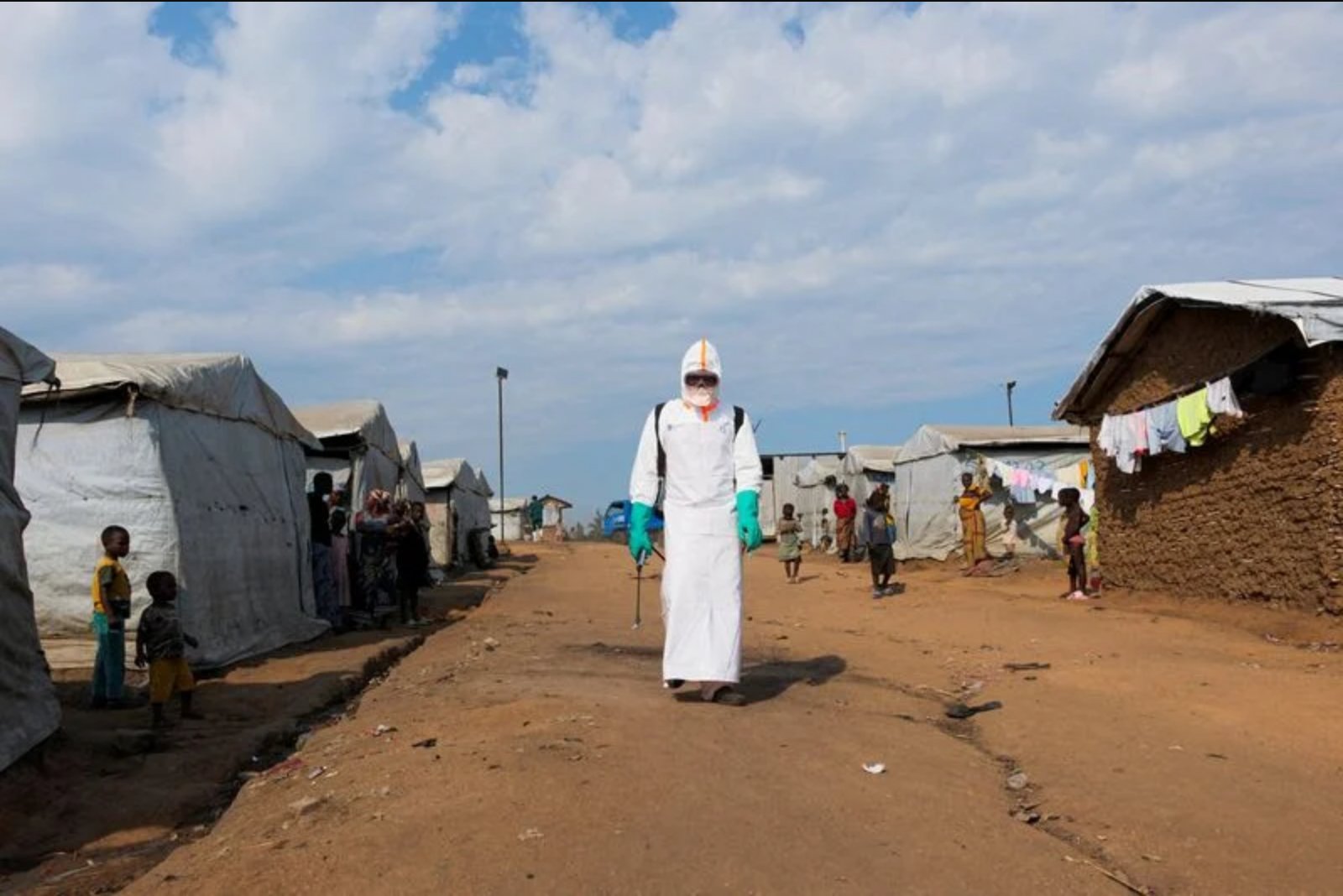
Health officials in the Democratic Republic of Congo say the current Ebola outbreak has exceeded 1,000 infections and 254 confirmed deaths, according to government figures released late on Sunday. The outbreak, caused by the rare Bundibugyo strain for which there is no approved treatment or vaccine, has now spread into a third displacement camp in eastern Congo and continues to move across three provinces.

The death of an 18-month-old girl illustrates the challenges responders face in the field. The child was tested for Ebola on June 14 while at the Hungbe displacement camp and died before laboratory confirmation arrived the following day, a Congolese health report reviewed by Reuters showed. According to that report and a Congolese official, she had developed fever more than a week earlier. Family members carried her on foot to two different health centres, where she received antibiotics, before an Ebola test was performed.

Authorities say at least 107 people were identified as having come into contact with the toddler. That group includes relatives, healthcare workers and people from other camps, raising concerns about transmission chains that cross informal settlements and health facilities.

Shortages of space to isolate suspected and confirmed cases are compounding containment difficulties. Dr Emmanuel Musingusi Bulemu, a Congolese health official in the surrounding Nizi zone, said there is a pressing need to separate patients from communities but noted the lack of locations to place them. "We need to separate these patients from the community because they risk infecting others but where can we put them?" he said.

Officials also reported two confirmed cases in Kpangba, another nearby displacement camp that houses people who have fled decades of conflict involving armed groups, militias and the army. In a separate displacement site in Bunia, at least 30 deaths have been recorded in a camp setting.

Preliminary data from the U.N. children’s agency UNICEF indicates that nearly a fifth of confirmed cases to date are children. The outbreak has also produced a much smaller number of cases across the border in neighbouring Uganda.

African health experts have warned that the speed of spread across three eastern provinces could ultimately lead this outbreak to exceed the scale of the 2014-2016 West Africa epidemic that resulted in more than 11,000 deaths. The current situation, characterized by cases in displacement camps, high contact counts and limited isolation capacity, underscores continuing operational challenges for containment efforts.

Risks

  • Limited isolation capacity in affected zones increases the risk of further spread within camps and surrounding communities - this has implications for public health services and humanitarian logistics.
  • High-contact networks around confirmed cases, such as the 107 contacts linked to the deceased toddler, raise the potential for wider transmission, impacting local healthcare delivery and resource allocation.
  • The fast geographic spread across three provinces raises uncertainty about the scale of the outbreak and the adequacy of current containment measures - this could affect regional public health planning and cross-border health surveillance.

More from World

Clive Davis, Architect of Modern American Pop and Rock, Dies at 94 Jun 22, 2026 Rubio Visits UAE, Kuwait and Bahrain to Outline U.S. Iran Memorandum to Gulf Partners Jun 22, 2026 Supreme Court Reinstates 2017 Conviction in Etan Patz Case, Citing Federal Limits on Relief Jun 22, 2026 A Dozen EU States Urge Bigger Modernisation Fund to Support Clean Transition Jun 22, 2026 Gaza Residents Flee Overheating Tents to Polluted Shore as Water Supplies Fail Jun 22, 2026