
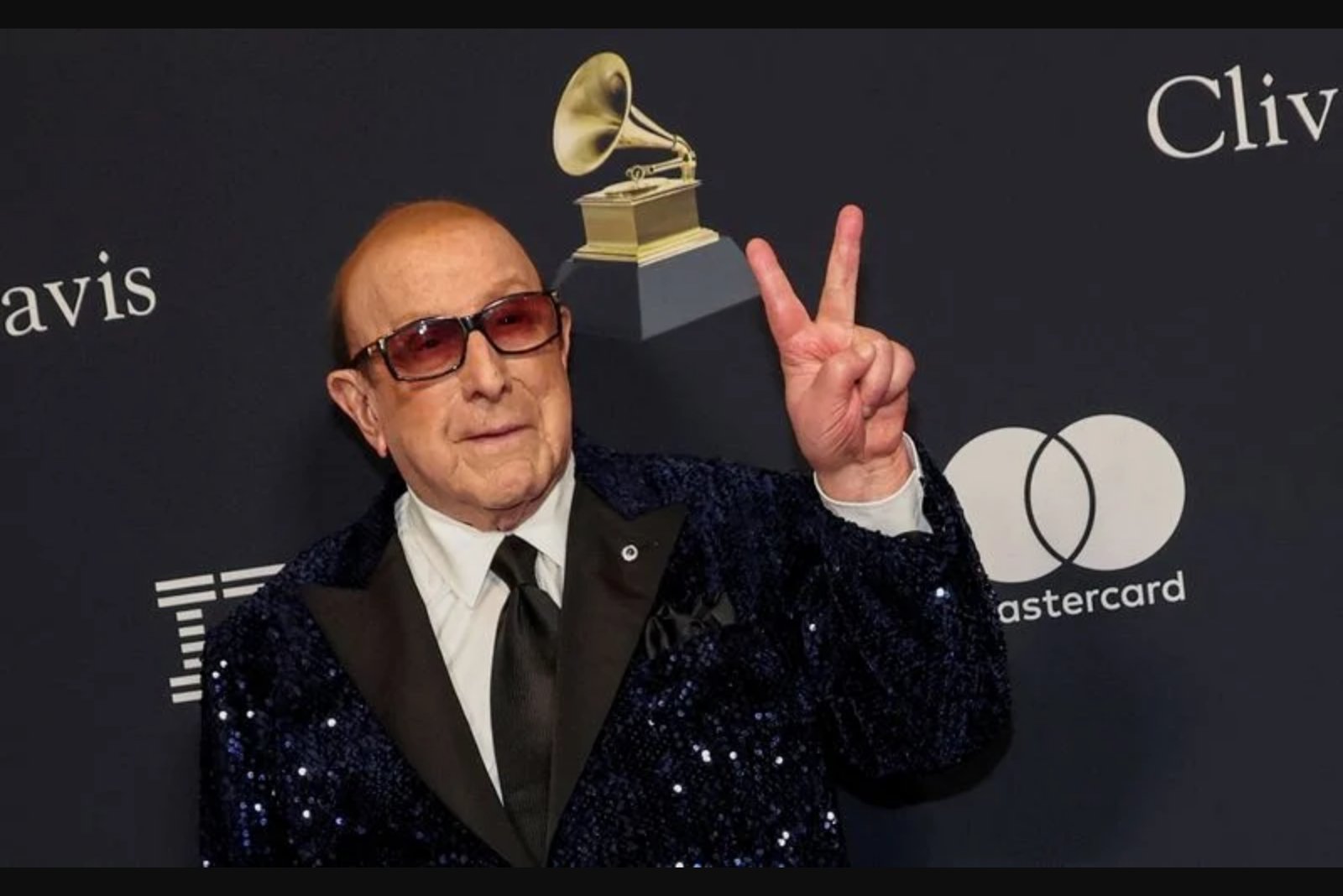
Clive Davis, a former corporate attorney who rose to become one of the most consequential executives in American popular music, has died at 94, his family said. Over a career that stretched from the early 1960s into the 21st century, Davis cultivated and revived the careers of some of the era’s most prominent performers and shaped commercial trends that altered the sound of mainstream music.
Nicknamed by colleagues and artists as a man with a "golden ear" for commercial potential, Davis combined close artistic involvement with executive authority. He was credited with spotting and supporting artists who would go on to define rock, pop, R&B and hip-hop for successive generations, while also stepping into production, song selection and marketing roles to maximize their mainstream appeal.
Early life and path into the record business
Davis was born in Brooklyn on April 4, 1932. As a child he listened to the radio but later said he did not collect records or feel a strong early pull toward music in the way some contemporaries did. He completed his education at New York University and Harvard Law School and began his career working in private law practices.
His transition from law to the music industry came when he joined the legal department of Columbia Records, then part of a larger broadcasting company. In that role he made an early mark by assembling a case that kept a prominent young artist on Columbia’s roster when that artist’s handlers sought to void his contract. By 1966 Davis had been elevated to head of the label at a time when Columbia was still only minimally engaged with the rock-leaning youth market.
Shaping Columbia’s roster and a turning point in 1967
At Columbia, Davis broadened the label’s direction by signing and developing artists who quickly became major acts. He credited an influential festival appearance in 1967 as the creative turning point of his life. After seeing Janis Joplin perform there, he signed her and her band, Big Brother and the Holding Company. In subsequent years he further strengthened Columbia’s roster with signings that included Chicago, Aerosmith, Pink Floyd, Blood, Sweat and Tears, Bruce Springsteen, Santana, Billy Joel, Sly and the Family Stone and Boz Scaggs. Those acts rose to the top of popular music and helped redefine the company’s commercial identity.
Davis took a notably hands-on approach. He involved himself in marketing campaigns, worked alongside artists in the studio as a producer, and routinely weighed in on which songs should appear on albums. When he suggested that Springsteen’s early album needed a radio-friendly song, Springsteen supplied material that produced enduring tracks including "Spirit in the Night" and "Blinded by the Light." Davis later reflected that talent gravitated to him because they believed he had created an environment in which they could flourish, adding that "talent attracts talent."
Controversy and departure from Columbia
By 1973, the success of the parent company’s record division was accompanied by reports of misconduct within the business. Accounts circulating in and around the industry included allegations of improper behavior at company meetings, reported payoffs intended to influence radio play, and suggestions that an employee under Davis had links to criminal activity. Davis himself faced scrutiny over the use of corporate funds for a family celebration.
The company ultimately dismissed Davis and filed a civil claim alleging improper expense-account charges. That matter was later settled out of court. Separately, Davis pleaded guilty to failing to pay taxes on certain job-related expenses and was fined $10,000.
Founding Arista and artist rehabilitation
Davis returned to the industry quickly. In 1974 he launched his own label, Arista, which achieved early commercial success with artists such as Barry Manilow. At Arista Davis specialized in both discovering new acts and restoring the careers of established performers whose star had dimmed. He successfully repositioned artists including Aretha Franklin, Dionne Warwick and Lou Reed, and he worked to bring Rod Stewart back into higher commercial visibility.
Not every signing was shaped solely by commercial calculus. Davis signed Patti Smith despite her limited mainstream appeal, a move that underscored his willingness to back artists he believed in creatively. Smith later acknowledged his commitment to artists when she participated in honoring him.
Perhaps Davis’ most consequential discovery at Arista was the teenager Whitney Houston in 1983. He guided her career through multiple chart-topping singles and albums and played a production role on her recording of "I Will Always Love You" for the film The Bodyguard. The recording spent 14 weeks at No. 1 and became one of the best-selling commercially released singles.
Davis’ relationship with Houston was close and personal; her later struggles with substance abuse and her death from an overdose in 2012 were devastating to him. He described the loss as profoundly painful, saying the death "rips your heart out."
Further signings and diversification
At Arista Davis also signed instrumental artist Kenny G, who went on to become one of the best-selling instrumental performers. He expanded into country music with a Nashville subsidiary that developed stars such as Alan Jackson, Brooks & Dunn and Brad Paisley. He supported the creation of a label led by proteges L.A. Reid and Kenneth "Babyface" Edmonds, which nurtured acts like Usher, TLC and Outkast, and he played a role in bringing Sean "P. Diddy" Combs into partnership on a rap label.
In addition to artist development, Davis invested in projects that revived careers through reinterpretation of classic material. One high-profile example was his role in producing an album for guitarist Carlos Santana that won multiple Grammys in 2000 and marked a significant comeback.
Later moves: J Records, Sony and industry stewardship
Despite decades of success, Davis was pushed out of Arista by the unit’s parent company in 2000. He responded by founding J Records, where he signed and promoted artists including Alicia Keys and Luther Vandross and initiated a series of projects that revisited early 20th-century standards and helped revive Rod Stewart’s career with a well-received collection of classic pop songs.
After corporate consolidation led to the absorption of J Records, Davis was named chief creative officer at a major music company in 2008. He also received recognition within the industry, including induction into the Rock and Roll Hall of Fame.
Personal life and later reflections
In his 2013 memoir, Davis disclosed aspects of his personal life, stating that he was bisexual, describing a 13-year relationship with a male physician and noting his long-term relationship with another man. He was married and divorced twice and had four children.
Over more than half a century in music, Davis won multiple Grammy Awards for records he produced or championed, including awards tied to work by Kelly Clarkson, Carlos Santana and Jennifer Hudson, as well as an award recognizing his broader contributions to the industry. Colleagues and artists described him as simultaneously ambitious and deeply involved in artistic decisions; he could launch new acts, mentor emerging executives and revive established names.
Legacy
Clive Davis’ career was defined by breadth: he worked across rock, pop, R&B, hip-hop and country, and he remained an influential presence into his eighties. He discovered and promoted artists who reshaped popular music and helped orchestrate comebacks that brought renewed commercial success to multiple performers. While his tenure included public controversy, his record of artist development, hit-making and industry reinvention shaped the modern music business in ways that those within the industry continue to acknowledge.
He died at his home in Manhattan after recent hospitalization for respiratory problems.