
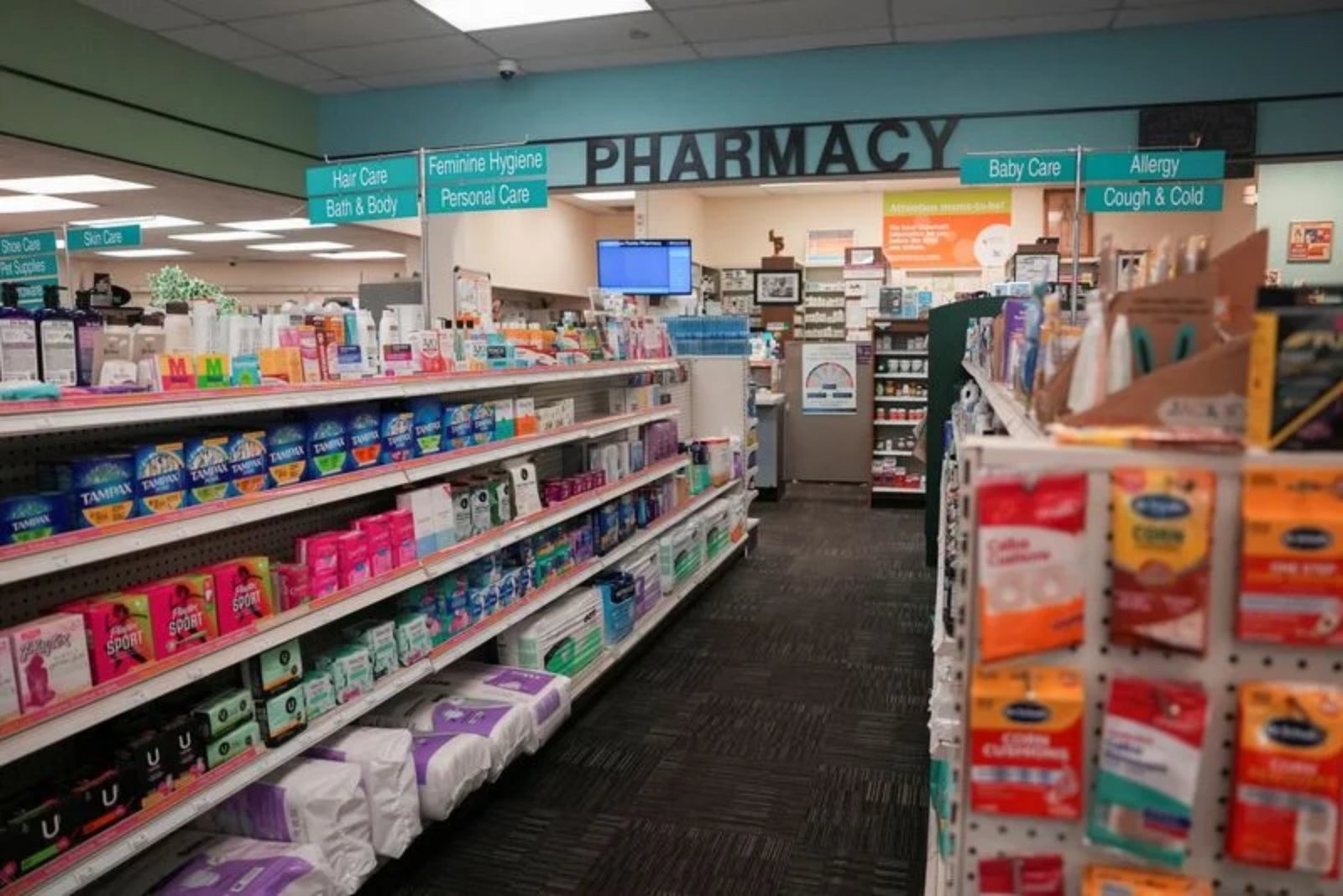
U.S. availability of oral progesterone is under pressure as prescriptions for hormone replacement therapy (HRT) increase, according to clinicians, pharmacists and patients reporting intermittent supply problems. The strain on progesterone supply comes at a time when estrogen patch access is already constrained for many women seeking relief from menopause symptoms.
Data from health analytics firm Truveta indicate that prescriptions for progesterone-containing HRT among women aged 45 and older have surged, rising to roughly 12 women per 1,000 in May 2026, more than three times the rate recorded in January 2021. The analytics company, whose electronic health record database covers more than 130 million patients across all 50 states, also found that prescribing rates climbed by more than 19% after the U.S. Food and Drug Administration removed a longstanding safety warning from numerous HRT products in late 2025.
Clinicians and telehealth providers say the spike in demand for HRT is contributing to tighter supplies. "While estrogen patches are incurring the biggest supply challenges, progesterone supplies are beginning to be stretched too," said Dr. Kathleen Jordan, chief medical officer of the telehealth provider Midi Health.
Progesterone is commonly prescribed alongside estrogen to reduce the risk of uterine cancer when a woman retains her uterus, while estrogen addresses menopause symptoms such as hot flashes, mood changes and bone loss. The recent uptick in HRT use has been driven in part by the FDA label change, greater clinician comfort with HRT prescribing and increased public discussion about menopause and women’s health on social platforms.
Not all patients have experienced the same level of difficulty. Robin Wilson, 64, director of operations for the Iowa State wrestling program, said she had nearly a decade without supply problems before her local pharmacy in Ames, Iowa, began offering smaller fills about a year ago. Her 90-day prescription was recently reduced to a smaller supply while the pharmacy awaited a shipment. "This is the first time this has happened," Wilson said.
Manufacturers and supply listings
The American Society of Health-System Pharmacists (ASHP) lists certain oral progesterone capsule products from Amneal Pharmaceuticals and Hikma Pharmaceuticals in its shortages database. Amneal acknowledged increased demand in recent months and said it is expanding manufacturing capacity at its New York facility while continuing to meet contracted supply commitments. Hikma did not respond to requests for comment.
A spokesperson for CVS Health, one of the nation’s largest pharmacy chains, told reporters that manufacturers have been unable to provide adequate HRT supplies for several months. The U.S. Food and Drug Administration’s public database shows nine companies manufacture oral progesterone in the United States, including Teva and Dr. Reddy’s. Teva did not respond to a request for comment. Dr. Reddy’s stated the product has not been part of its U.S. portfolio since 2022 and that it does not manufacture or market oral progesterone in the United States.
Despite reports of intermittent shortages, progesterone is not currently listed as in shortage by the FDA. A spokesperson for the Department of Health and Human Services, which oversees the FDA, said one manufacturer is experiencing delays but that other companies have product available, and the agency is working with manufacturers to help align supply with demand.
Clinical responses and alternatives
Pharmacists and clinicians report that progesterone shortages have generally been less severe than the problems affecting estrogen patches, though delays and reduced fills still occur for some patients. The clinical impact is mitigated in part because women who have had a hysterectomy do not require progesterone with estrogen therapy, and because there are alternative options that reduce dependence on any single progesterone formulation, including combination estrogen-progestin patches, progestin-releasing intrauterine devices and oral progestins.
Michael Ganio, senior director of pharmacy practice and quality at ASHP, said manufacturers have not publicly identified a single cause for the supply issues. "Without a reason, it can be difficult to know whether there is disruption due to manufacturing or other delays, or an increase in demand that the available market supply cannot meet," Ganio said.
Compounding pharmacies and regulatory cautions
Some prescribers and patients have turned to compounding pharmacies to fill prescriptions for progesterone and estrogen as commercial supplies become harder to obtain. Valerie Richards, director of clinical services at Strive Compounding Pharmacy, said providers are not waiting for the commercial supply chain to resolve itself and are instead seeking compounded alternatives.
Compounding pharmacies prepare medications using pharmaceutical ingredients when a drug is in shortage or when personalized dosing not covered by commercially available products is required. However, some clinicians caution about the differences in regulatory oversight and quality assurance between compounded products and FDA-approved medicines.
Dr. Gillian Goddard, an adjunct assistant professor of medicine at the NYU Grossman School of Medicine, noted that compounded progesterone may not be subject to the same regulatory processes as FDA-approved drugs and "could contain too much or too little progesterone," which she said could result in health complications and potentially prompt additional diagnostic procedures such as ultrasounds and biopsies. "I always caution against using compounded products," she added.
The landscape of interim responses and permanent fixes remains evolving: some manufacturers report capacity increases, pharmacies work through shipments and federal agencies say they are engaged with producers. For now, patients, clinicians and pharmacists are navigating a market in which demand has risen sharply and certain formulations, particularly estrogen patches, remain under significant strain, while oral progesterone is showing increasing but varied signs of supply pressure.
Key points
- Prescriptions for progesterone-containing HRT among women aged 45 and older have more than tripled since January 2021, reaching about 12 per 1,000 in May 2026, and prescribing rates rose over 19% following an FDA label change in late 2025.
- Certain oral progesterone products from Amneal and Hikma appear in the ASHP shortages database; manufacturers and pharmacies report intermittent supply constraints, while the FDA does not list progesterone as being in shortage.
- Sectors affected include pharmaceutical manufacturing, retail pharmacy distribution, and women's health clinical services, with compounding pharmacies increasingly filling gaps.
Risks and uncertainties
- Unclear root causes - Manufacturers have not identified a specific reason for the supply tightness, making it uncertain whether constraints stem from production, distribution, or demand increases; this uncertainty affects pharmaceutical suppliers and pharmacy operations.
- Reliance on compounded products - Increased use of compounding pharmacies introduces variability in dosing and regulatory oversight, posing clinical risk and potential downstream costs to healthcare providers and patients.
- Ongoing supply variability - While some manufacturers report available product and capacity expansions, continued intermittent shortages could persist, impacting access for patients who require specific progesterone formulations.