
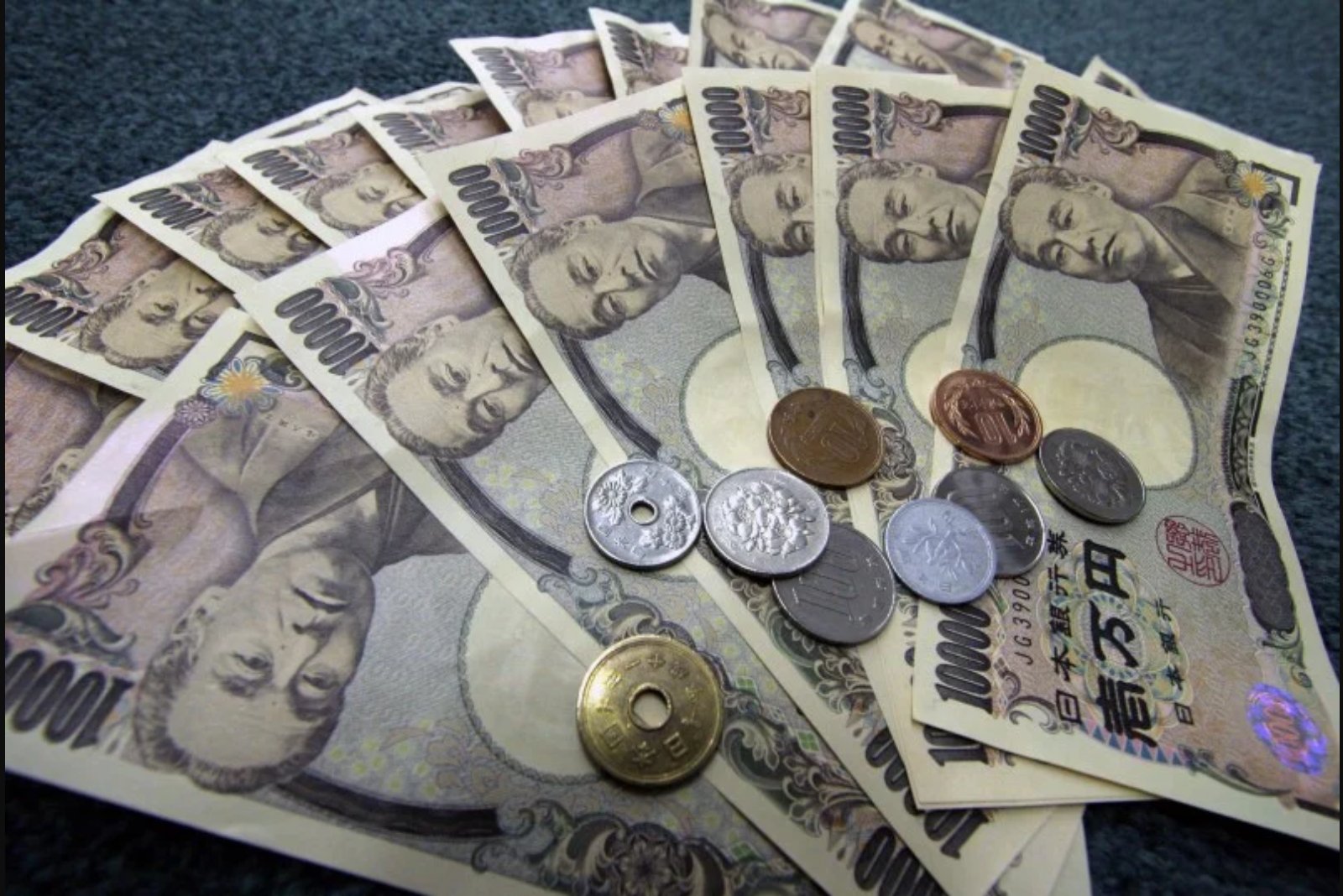
BCA Research says the recent slide of the Japanese yen to levels not seen in almost 40 years stems primarily from the Bank of Japan's highly inflationary monetary setting rather than an immediate sovereign-debt problem for Japan.
In a report, the firm said measures of inflation expectations and the relative steepness of the Japanese yield curve explain recent movements in USD/JPY and EUR/JPY more convincingly than conventional interest-rate differentials. Japan's real policy rate, the report noted, sits at minus 0.75%, a stance BCA describes as highly accommodative at a time when there are signs the economy is overheating.
The research house highlighted domestic demand pressures: annual wage talks have resulted in wage increases above 5% for three straight years, and credit growth reached 5.7% in June. BCA emphasized that the June credit reading marked the fastest pace in more than 30 years outside of the pandemic period.
Projecting further price gains, BCA expects headline inflation to rise to 2.7% by June 2027, with core inflation advancing to 3.1%. The firm said such an inflation path could eventually compel the BoJ to adopt a more hawkish posture, a shift that would likely support the yen and flatten the Japanese yield curve.
Low volatility in currency and bond markets has, according to BCA, encouraged carry trades financed in yen, contributing additional selling pressure on the currency. The presence of heavy speculative short positions in the yen increases the risk of a sharp reversal should volatility pick up or if authorities step in.
On portfolio recommendations, BCA advised remaining underweight Japanese government bonds through the year-end and recommended beginning to accumulate yen during the winter months. In tactical positioning, the firm said it replaced a short USD/JPY position - closed at a 1.4% loss - with a short CHF/JPY trade.
The research house also adjusted sector exposure, moving Japanese banks to neutral. While rising yields have recently been supportive of bank profitability, BCA warned that a later BoJ shift toward tighter policy could cause the yield curve to flatten and compress lending margins.
Addressing Japan's fiscal metrics, BCA argued that high government debt does not constitute an immediate fiscal crisis. The firm pointed to Japan's current-account surplus, its sizable foreign-asset position and a falling net debt-to-GDP ratio as mitigating factors.
Bottom line: BCA Research views the yen's 2026 collapse as a function of domestic monetary and inflation dynamics and market positioning rather than an acute fiscal emergency. The firm expects continued pressure on both the currency and Japanese government bonds into late 2026, but advises investors to prepare to buy the deeply undervalued yen starting in winter.