
Sweden has awarded Rolls-Royce Holdings Plc the contract to supply several small modular nuclear reactors as the country prepares for a substantial rise in electricity demand over the coming decades. The decision was announced at a briefing in Stockholm, where Vattenfall AB chief executive Anna Borg said the British company's proposal was judged strongest on supply chain capability, delivery timeline and expected financial returns.
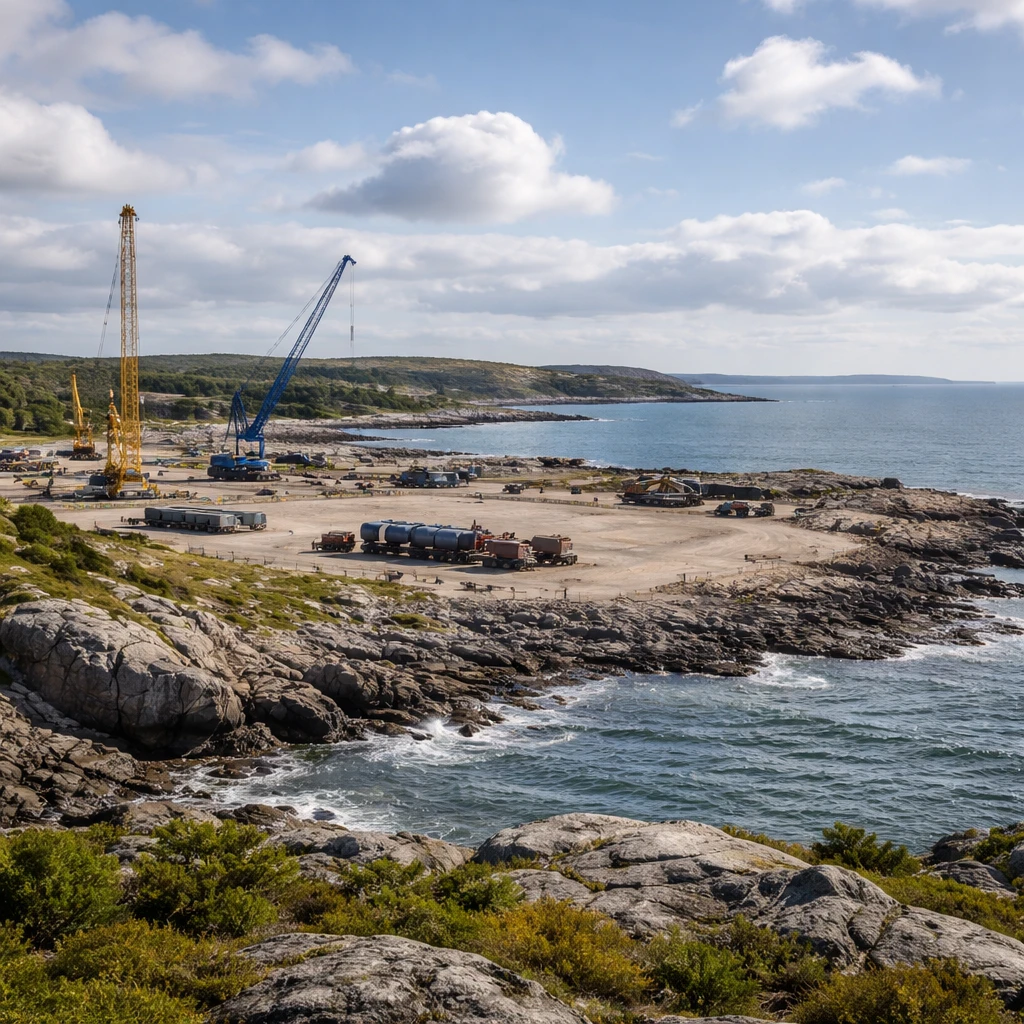
The reactors will be built on the west coast of Sweden and together will produce 1,500 megawatts of power, a combined output greater than the nation's current single largest reactor. Authorities aim for the new facilities to be operational by the middle of the next decade.
Oversight of development will be handled by Videberg Kraft, the project company set up last year by Vattenfall in which the Swedish state plans to hold 60% ownership while Vattenfall will retain 20%. The remaining stake will be owned by Industrikraft, a consortium that includes major industrial power consumers in Sweden.
At present, Sweden operates six nuclear reactors that supply roughly one-third of the country's electricity, while hydroelectric resources account for nearly half of generation. The growth of weather-dependent renewables has increased price volatility and has placed strains on grid capacity, factors cited in the rationale for expanding nuclear capacity.
Expanding nuclear generation was a priority pledge from the center-right coalition ahead of the 2022 election. Policymakers and industry stakeholders point to the anticipated rise in electricity demand arising from electrification trends in both industry and transportation as drivers behind the move to add firm, dispatchable capacity.
The project structure places the Swedish state in a clear majority position within the development vehicle, with Vattenfall as a significant operational partner and Industrikraft providing an offtaker and investor presence from major power-consuming companies.
This procurement marks a significant step in Sweden's plan to bolster baseload and flexible capacity to complement variable renewable generation and to manage the expected growth in national power consumption.