
Politics July 2, 2026 06:17 PM

Watchdog: Secret Service Missed 102 Local Radio Alerts Ahead of Butler Rally Shooting

Inspector general cites lack of joint communications and an inoperable counter-drone system as key failures on July 13, 2024

By Maya Rios
Share
Twitter Reddit Facebook LinkedIn

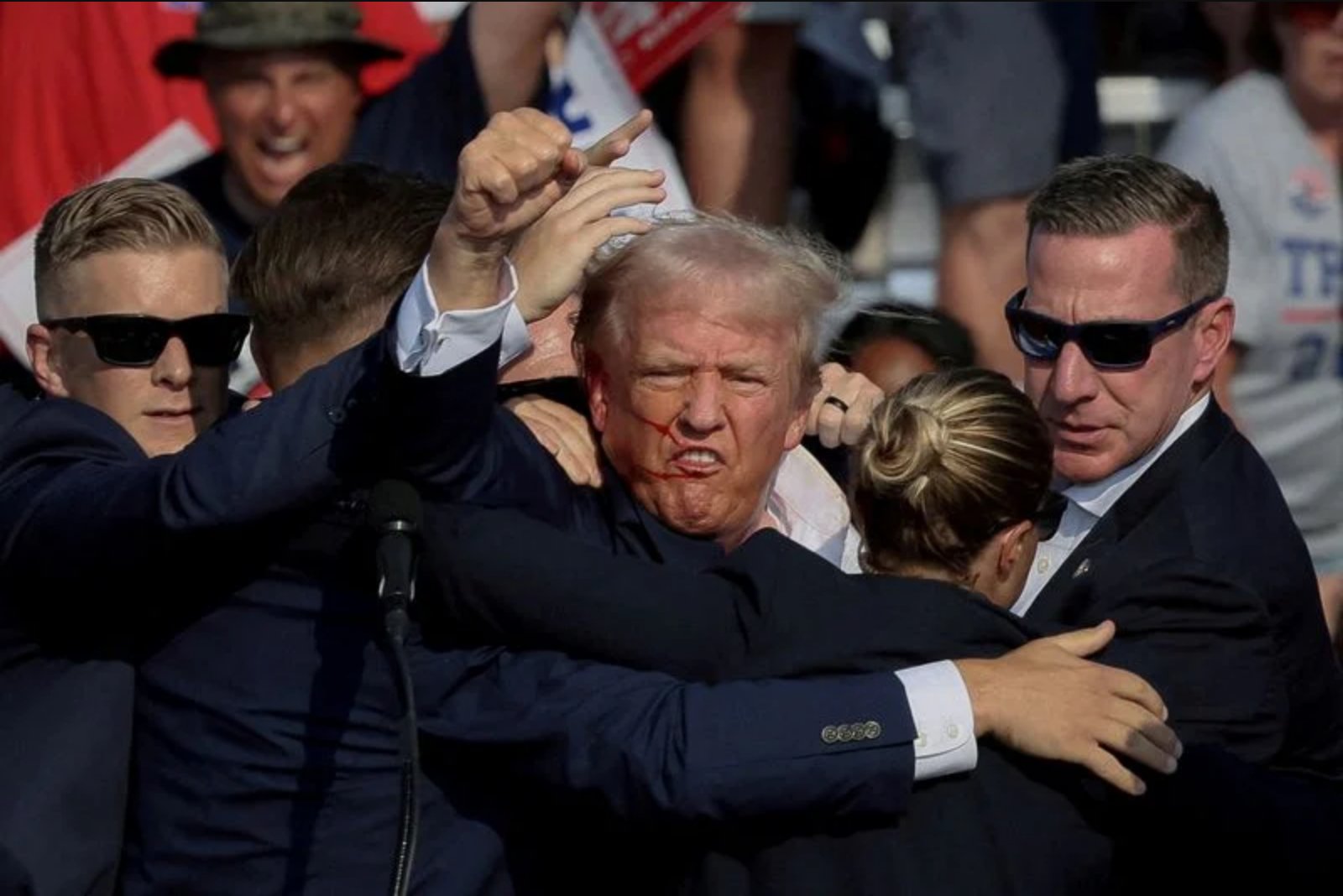
A Department of Homeland Security inspector general report found the U.S. Secret Service did not receive 102 local radio transmissions about the individual who carried out the 2024 assassination attempt on President Donald Trump at a Butler, Pennsylvania, campaign rally. The agency's failure to set up a shared communications room with local police and an inoperable counter-drone system manned by a single under-trained operator left agents unaware of early warnings, the report says.

Watchdog: Secret Service Missed 102 Local Radio Alerts Ahead of Butler Rally Shooting
Summarize with
ChatGPT Perplexity Claude Grok Gemini

Key Points

  • The DHS inspector general found the Secret Service did not receive 102 local radio transmissions on July 13, 2024, because it had not set up a joint communications room with local law enforcement.
  • The agency received only five phone calls and three text messages about Thomas Crooks, and Secret Service personnel did not alert the President’s protective detail about the suspicious person.
  • An inoperable counter-drone system, manned by a single "under-trained" operator who did not test the equipment before the event, failed to detect a nearly nine-minute drone flight Crooks conducted hours before the shooting.

A government watchdog report released on Thursday concluded that the U.S. Secret Service did not receive 102 local radio transmissions related to the search for a suspicious person on July 13, 2024, the day a gunman opened fire during a campaign rally in Butler, Pennsylvania.

The Department of Homeland Security inspector general said the Secret Service missed those transmissions because it had not established a joint communications room with local law enforcement, which was receiving the radio traffic about the suspect later identified as Thomas Crooks. The report states that, in contrast, the Secret Service received only five phone calls and three text messages about Crooks. "Instead, we found that the Secret Service received only five phone calls and three text messages about Crooks," the report notes.

Because the transmissions were not received, the inspector general concluded that Secret Service personnel did not notify President Trump’s protective detail about concerns regarding the suspicious person. Crooks was later shot and killed by law enforcement at the rally after he opened fire while President Trump was speaking on stage.

The attack resulted in the death of a bystander and injuries to multiple people, including a graze wound to President Trump’s ear. The report states Crooks had gained access to a nearby rooftop that provided a direct line of sight to the stage.


In a separate security finding, the inspector general reported that Crooks flew a drone over the area hours before the shooting. That flight went undetected because the Secret Service counter-drone system was inoperable at the time, the report said.

The counter-drone capability was staffed by a single operator described in the report as "under-trained," and that operator did not test the system prior to the event. It took the operator hours to attempt to resolve the inoperability. During that interval, the suspect completed a nearly nine-minute drone flight without being detected, according to the report.

Thursday’s report adds to a sequence of reviews by government watchdogs and congressional panels that have identified significant shortcomings in the Secret Service’s security planning and execution for the Butler event.

The Secret Service did not immediately respond to a request for comment on the inspector general's findings.

Risks

  • Security coordination risk - Failures in multi-agency communications and equipment readiness could undermine protective operations for high-profile events; this risk is relevant to government security operations and event-security providers.
  • Operational readiness risk - Reliance on a single, under-trained operator for critical counter-drone capability highlights vulnerabilities in workforce training and redundancy; this affects agencies and contractors responsible for counter-unmanned systems.
  • Reputational and oversight risk - Continued findings of security shortcomings may prompt further oversight and reviews by congressional panels and watchdogs, with potential implications for policy and procurement decisions related to protective services.

More from Politics

Federal Judge Bars Philadelphia From Enforcing Mask Restriction on Federal Agents Jul 2, 2026 Supreme Court Splits Over Expansion of Emergency 'Shadow' Docket in High-Stakes Rulings Jul 2, 2026 Progressive Primary Wins Threaten Democratic Messaging on Cost-of-Living Ahead of Midterms Jul 2, 2026 Kansas district contests federal claim that its transgender policy broke federal law Jul 1, 2026 Federal Judge Blocks USPS Rule That Would Have Curtailed Mail-In Ballot Deliveries Jul 1, 2026