
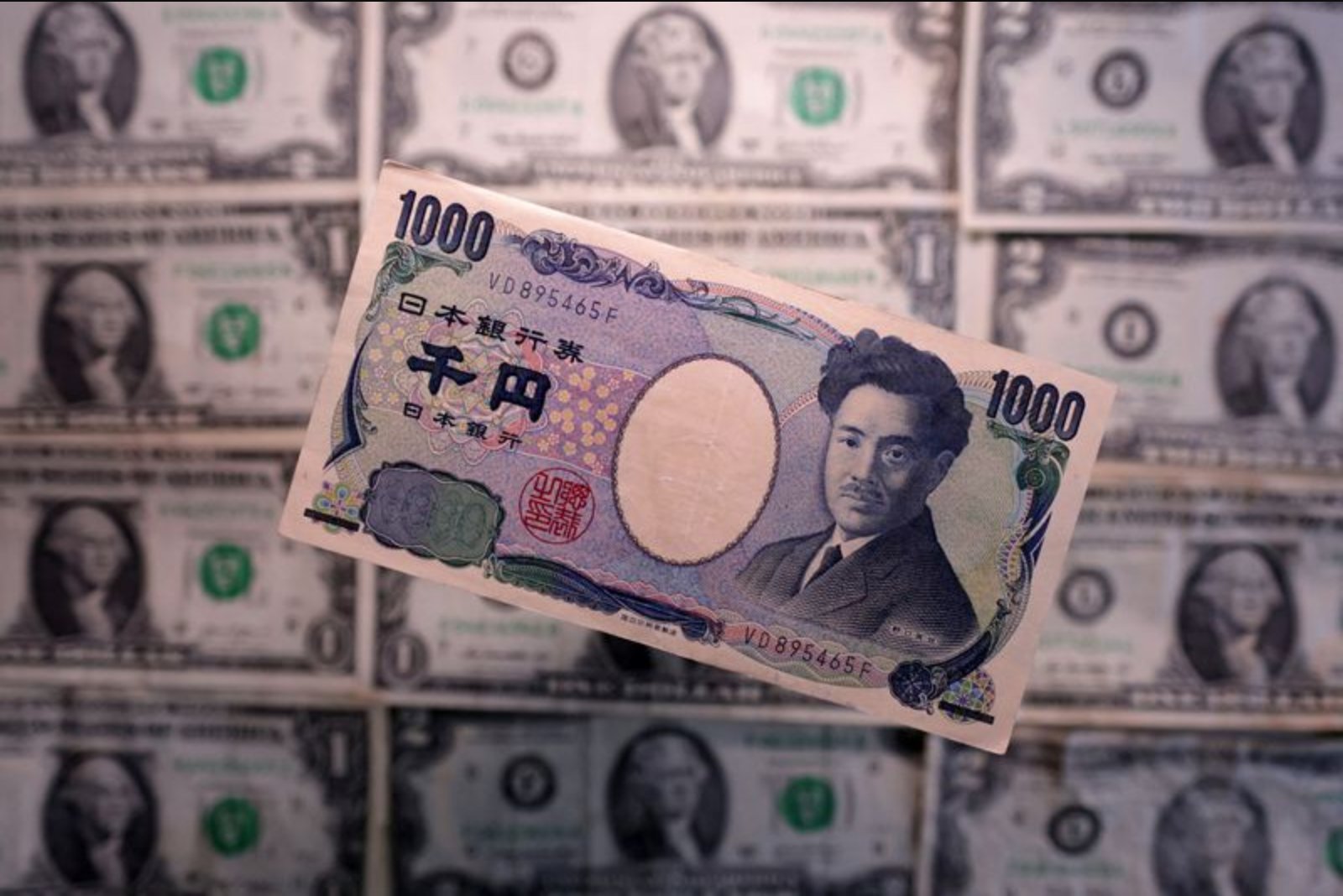
On Wednesday, the yen remained positioned near its May lows against the U.S. dollar, approaching levels that have historically prompted Japanese currency intervention. This volatility is being driven by market participants assessing the risks associated with a possible flare-up in the Iran war. As of early Asian trading, the yen showed a slight uptick to 159.20 per dollar, but it remains situated near the 160 mark, a level many market observers identify as a critical threshold for potential intervention to bolster the currency.
The broader geopolitical landscape is playing a significant role in currency movements. The U.S. dollar, acting as a safe-haven asset, remained steady following a slight increase against major peers on Tuesday. This stability follows U.S. strikes on Iran, which have diminished expectations for an immediate end to hostilities and the subsequent reopening of the Strait of Hormuz, a vital shipping channel. Adding to the uncertainty, U.S. Secretary of State Marco Rubio indicated that reaching a deal to cease the conflict could require several days.
Bank of Japan (BOJ) policy is another central pillar for the yen's trajectory. Governor Kazuo Ueda adopted a somewhat hawkish stance on Wednesday, suggesting that an oil shock resulting from the ongoing war could persist, particularly in a climate defined by rising wages and high inflation expectations. Current market pricing suggests there is approximately a 70% probability of a quarter-point interest rate hike at the upcoming BOJ policy meeting scheduled for June 15 to 16. Matthew Ryan, head of market strategy at Ebury, noted that while intervention threats and bets on a June hike should support the yen, Japan's significant vulnerability to the energy crisis continues to exert downward pressure on the currency. He further suggested that while a June hike seems unlikely to be derailed, soft upcoming consumer price data in Tokyo could temper expectations for future tightening.
In other currency markets, the Australian dollar was trading near its highest point since May 15. This comes as investors await consumer price data, which follows a period of weaker-than-expected employment figures last week. The Australian dollar rose by 0.15% to $0.7177. Meanwhile, the New Zealand dollar stabilized after a 0.6% decline on Tuesday, gaining 0.16% to reach $0.5846. Most economists believe the Reserve Bank of New Zealand will maintain current rates later this Wednesday, though a small majority of those polled by Reuters anticipate at least one rate hike before the end of September.
Regarding other major indices, the dollar index, which benchmarks the greenback against the yen and five other currencies, stood at 99.087 after a 0.15% rise on Tuesday. The euro also remained largely unchanged at $1.1638.
Key Market Impacts
- Monetary Policy & Central Banking: The Bank of Japan's potential for a June hike and the Reserve Bank of New Zealand's upcoming rate decision are central to currency stability.
- Energy & Commodities: The risk of an oil shock driven by the Iran conflict poses direct threats to energy-exposed economies, specifically impacting Japan's fiscal landscape.
- Geopolitics & Global Trade: Hostilities in the Middle East and the status of the Strait of Hormuz shipping channel affect global trade routes and safe-haven capital flows.
Risks and Uncertainties
- Geopolitical Escalation: The potential for continued conflict in Iran could prolong the disruption to the Strait of Hormuz, impacting energy markets and driving safe-haven demand for the U.S. dollar.
- Intervention Risk: The proximity of the yen to the 160 level introduces the risk of sudden Japanese government intervention in the foreign exchange markets.
- Inflationary Pressures: Uncertainties regarding Tokyo's consumer price data and the potential for persistent oil-driven inflation could complicate the Bank of Japan's path toward monetary tightening.