
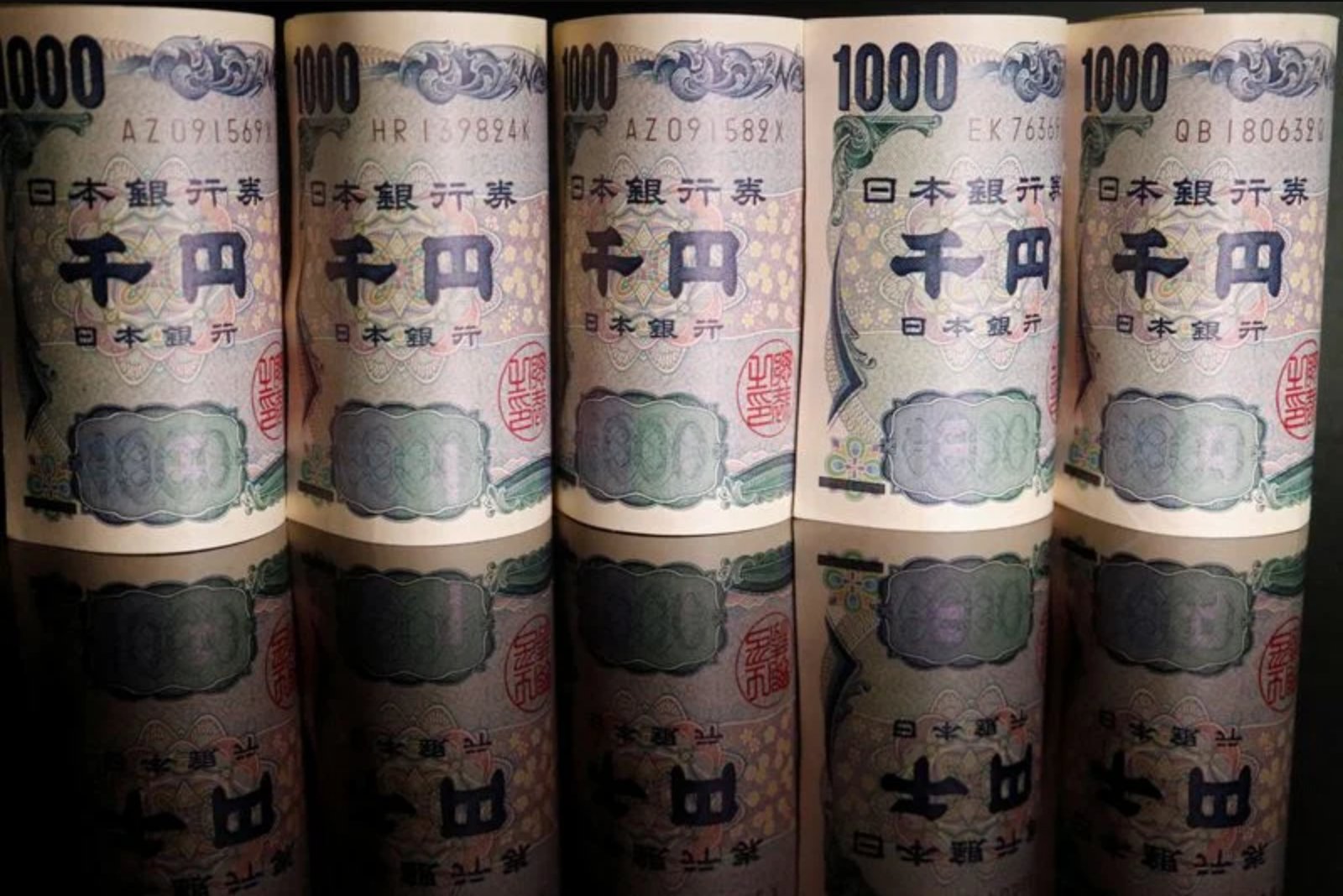
The Japanese yen has faced intense downward pressure, hitting the 160 per dollar threshold in early trading. This specific level is viewed as a critical zone, marking the first time since April 30 that the currency has reached such a point. The recent decline has effectively nullified the gains achieved through record-breaking government intervention in foreign exchange markets conducted last month.
Speaking at a press conference following the finalization of an extra budget, Finance Minister Satsuki Katayama addressed the currency's volatility. Katayama stated that regarding foreign exchange matters, the government is prepared to respond appropriately at any time as it becomes necessary. This warning comes at a sensitive moment for the Japanese economy and its monetary policy direction.
Key Market Drivers and Economic Impacts
- Monetary Policy Uncertainty: Bank of Japan Governor Kazuo Ueda is scheduled to deliver a speech that market participants believe may offer insight into his views on a potential interest rate hike in June. This discussion is complicated by rising price pressures linked to the ongoing war in Iran.
- Government-Central Bank Alignment: A primary focus for investors is the level of coordination between the central bank and the administration of Prime Minister Sanae Takaichi. Katayama indicated that she is largely in agreement with Governor Ueda on various points, noting that recent discussions between the Prime Minister and the Governor have been very constructive.
- Historical Intervention Data: Financial data from Friday indicates that Japan has deployed 11.7 trillion yen (approximately $73.14 billion) since April to support the yen's value. This represents the largest single month of intervention on record.
The volatility in the yen impacts broader currency markets and capital allocation strategies, as traders weigh the likelihood of further government action to defend the currency against a backdrop of shifting interest rate expectations.
Risks and Market Uncertainties
- Geopolitical Pressures: Hirofumi Suzuki, chief FX strategist at SMBC, noted that while Governor Ueda might maintain a positive outlook on raising rates, he is likely to acknowledge the uncertainties caused by the situation in the Middle East. This geopolitical tension creates a layer of complexity for inflation and rate decisions.
- Lack of Definitive Signaling: There is a risk that central bank communications may remain ambiguous. Suzuki suggested that Governor Ueda will likely avoid providing any definitive signals, which could result in his comments failing to provide clear direction for the dollar/yen exchange rate.
- Increased Intervention Probability: Analysts are monitoring specific technical levels closely. Brent Donnelly, president of the analytics firm Spectra Markets, noted that the odds of intervention rise above zero as the 160 level is approached, and those odds increase substantially if trading reaches the 162 mark.
The currency's history shows extreme swings; it reached a near two-year low of 160.725 per dollar on April 30 before rebounding to as high as 155 following suspected bouts of yen-buying intervention. The subsequent steady decline has fueled ongoing expectations that Tokyo may need to take further steps to defend the currency.