
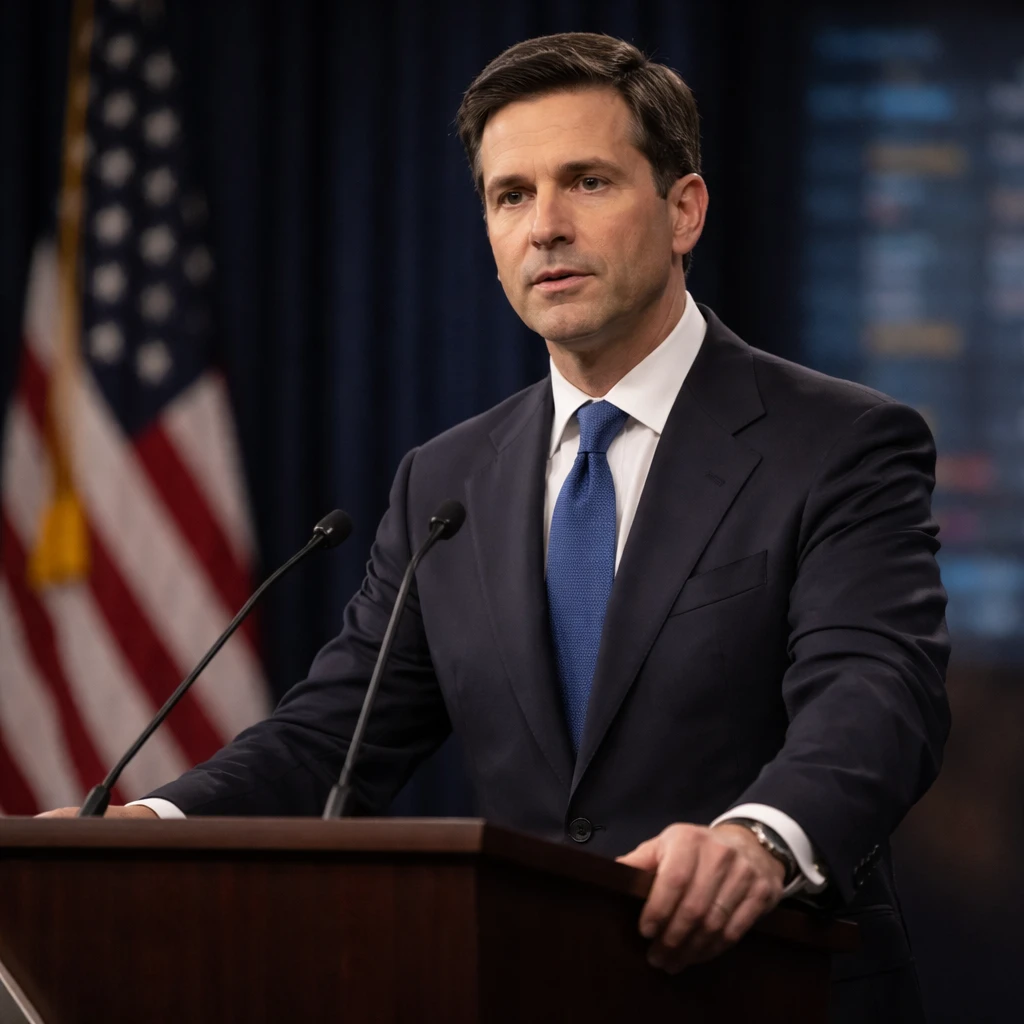
Bank of America strategists argue that Kevin Warsh will confront a tricky beginning as he assumes the chairmanship of the Federal Reserve, with inflation gaining momentum and the U.S. economy coping with multiple shocks. Their analysis centers on whether Warsh's previously hawkish reputation will yield to a more dovish policy approach amid these pressures.
In a research note, BofA analysts recalled that Warsh was considered a "staunch hawk" during his spell as a Fed governor. More recently, however, Warsh has given indications that he supports easing interest rates, urging colleagues to distinguish between temporary price moves driven by tariffs and geopolitical events and the underlying trend in inflation measures.
The bank's team warns that any drift toward dovishness could encounter pushback inside the Federal Open Market Committee as inflation pressures build. Their note highlights a potential divergence between Warsh's public signaling and the inclination of some other policymakers to maintain a firmer stance until inflation shows clearer signs of cooling.
Markets, according to BofA, have already reacted sharply to shifting dynamics. Traders have moved from expecting near-term rate cuts to pricing in the possibility of another rate hike - a swift repricing that underscores how sensitive monetary expectations have become to incoming data and policy rhetoric.
On the longer-term structural side, Warsh has expressed optimism that artificial intelligence could lift productivity and, in time, exert downward pressure on inflation. BofA noted that this prospective benefit from AI may be a hard sell to many FOMC members, who would prefer to wait for concrete evidence of productivity gains before adjusting their policy outlook.
The analysts also characterize Warsh as a "balance-sheet hawk." They expect him to slow the expansion of the Fed's balance sheet and to reduce reserve demand by an estimated $200 billion to $500 billion over time through regulatory adjustments. Such moves would trim excess reserves and alter liquidity conditions in the banking system.
Finally, BofA flagged the dollar's path as contingent on internal Fed dynamics. If Warsh succeeds in nudging the central bank toward a more dovish tone, the greenback's outlook could differ markedly from a scenario in which the broader Fed resists and doubles down on anti-inflation credibility.
Bottom line: BofA presents a portrait of a Fed chair with a hawkish track record who is signaling more dovish leanings, but whose policy preferences may face resistance as inflation rises and markets continue to recalibrate expectations.