
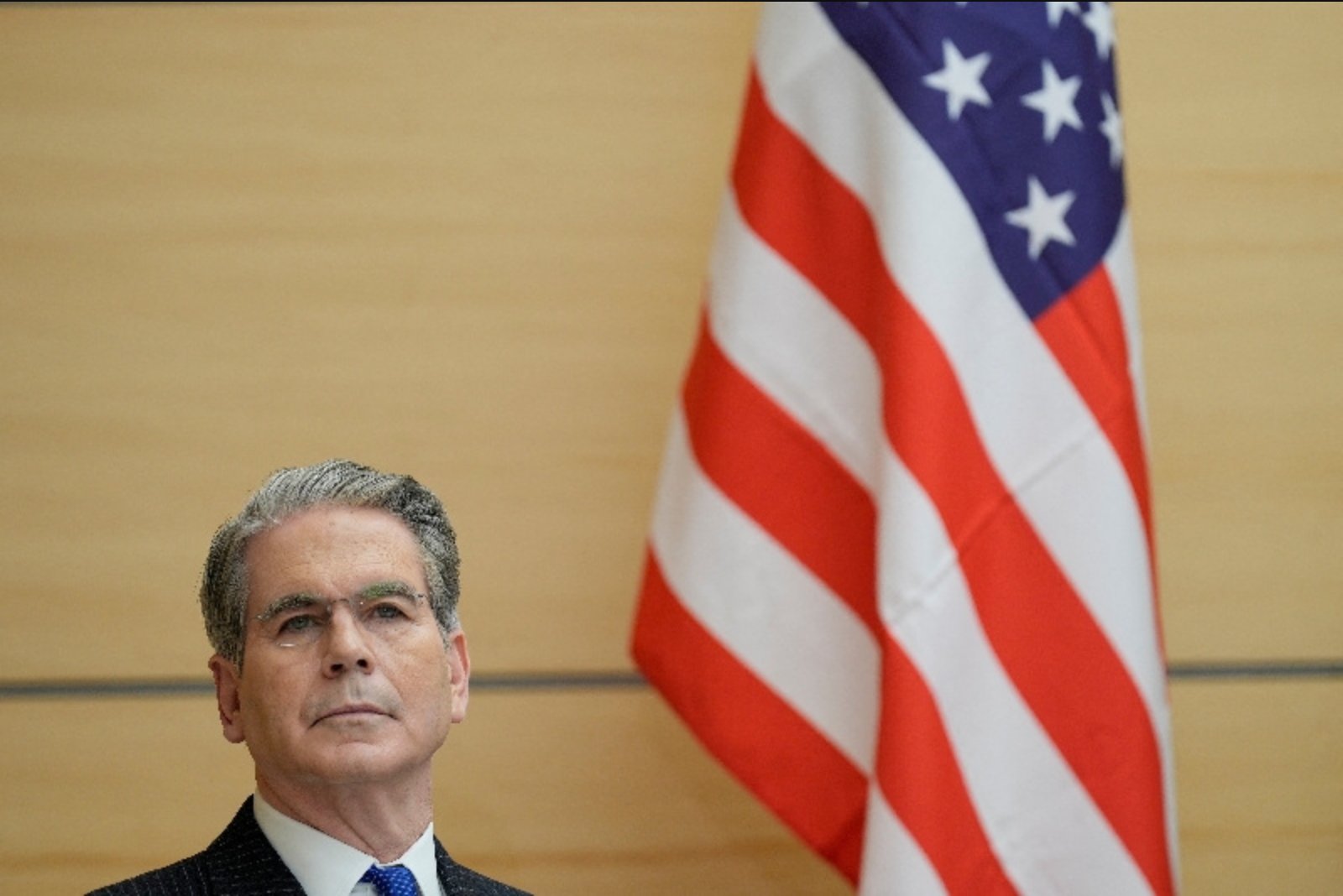
The prospect of a monetary policy shift in Japan is gaining momentum following recent signals from United States Treasury Secretary Scott Bessent. His comments suggest that the Bank of Japan (BOJ) may find the political clearance necessary to implement an interest rate hike during its upcoming June meeting, despite lingering domestic resistance.
Strategic Shifts and Political Dynamics
During a recent engagement with BOJ Governor Kazuo Ueda, Secretary Bessent expressed confidence that the central bank would take appropriate action provided it is granted sufficient independence by the Japanese government. In communications via X following his meeting with Ueda, Bessent highlighted Japan's strong economic fundamentals and noted that the current level of currency volatility is undesirable. His perspective implies that Japan's solid growth trajectory provides a justification for both higher interest rates and a stronger yen.
This alignment between Washington and the BOJ comes at a critical juncture. Markets are currently pricing in an 80% probability that the bank will raise its short-term policy rate to 1%, up from the current 0.75%. However, this move faces internal friction from Prime Minister Sanae Takaichi and other dovish officials who have voiced concerns regarding near-term tightening. These aides argue that central bank policy should remain synchronized with government initiatives aimed at stimulating the economy through increased investment and spending.
Mari Iwashita, an executive rates strategist at Nomura Securities, noted that Bessent's visit to Tokyo and his subsequent remarks indicate that Governor Ueda possesses the full support of Washington in pursuing higher rates. Iwashita suggested that Prime Minister Takaichi might ultimately consent to a rate hike if the BOJ presents it as a necessary measure to stabilize the yen.
Key Economic Drivers and Market Implications
- Monetary Policy Normalization: The primary driver is the potential transition from a 0.75% short-term policy rate to 1%. This shift impacts the broader bond market and currency valuations, specifically the USD/JPY exchange rate.
- Central Bank Independence: A central theme is the tension between the BOJ's legal mandate for independence and its requirement to work closely with the government on economic policy. The ability of Governor Ueda to communicate effectively with Prime Minister Takaichi before his June 3 speech will be a decisive factor.
- Currency Stabilization: High volatility in the yen has become a focal point for international policymakers, with Bessent suggesting that higher rates are a tool to address yen weakness.
These developments heavily impact the financial services sector, currency markets, and government debt management. The decision will also influence how the BOJ manages its bond taper plan through March of next year and develops its fiscal 2027 framework.
Risks and Economic Uncertainties
- Domestic Political Opposition: There is a significant risk that Prime Minister Takaichi and her administration may resist rate hikes to protect reflationary efforts driven by government spending.
- External Macroeconomic Shocks: The conflict in the Middle East introduces volatility through rising fuel costs and supply disruptions. As an economy dependent on fuel imports, Japan faces increased cost-of-living pressures that could complicate the BOJ's decision-making process.
- Global Financial Instability: A global rout in bond markets, fueled by inflation fears linked to international conflicts, adds a layer of complexity. Surging yields and fiscal strain could force the BOJ to slow its unwinding of massive debt holdings to provide relief to anxious investors.
These risks primarily affect consumer staples due to rising input costs, the sovereign debt market, and the broader retail sector as inflationary pressures impact household budgets.
The June Policy Meeting Context
As the BOJ prepares for its June 15-16 meeting, it must navigate a complex fiscal environment. The Japanese government is currently compiling a supplementary budget intended to provide subsidies for households facing high fuel prices resulting from Middle East tensions. This fiscal tightening through subsidies may clash with the monetary tightening sought by the central bank.
The BOJ's upcoming decisions will extend beyond interest rates; the bank is also tasked with reviewing its bond taper schedule and outlining a new plan for fiscal 2027. Financial market turbulence remains a constant threat, as investors monitor whether the bank can balance inflation control with the need to manage rising yields and worsening fiscal pressures.