
Overview
The United States delivered a public admonition to Oman regarding any role in establishing a toll regime for the Strait of Hormuz. The warning came on Thursday from U.S. Treasury Secretary Scott Bessent, who used the social platform X to set out the U.S. position.
What the Treasury said
In a post on X, Secretary Bessent stated that the United States Government will not accept any attempt to create a tolling system in the Strait of Hormuz. He named Oman in his remarks and said the U.S. Treasury intends to target any parties that participate in facilitating tolls for the strait, specifying that such targeting would cover both direct and indirect involvement. The Treasury chief added that any willing partners would face penalties.
Geographic context
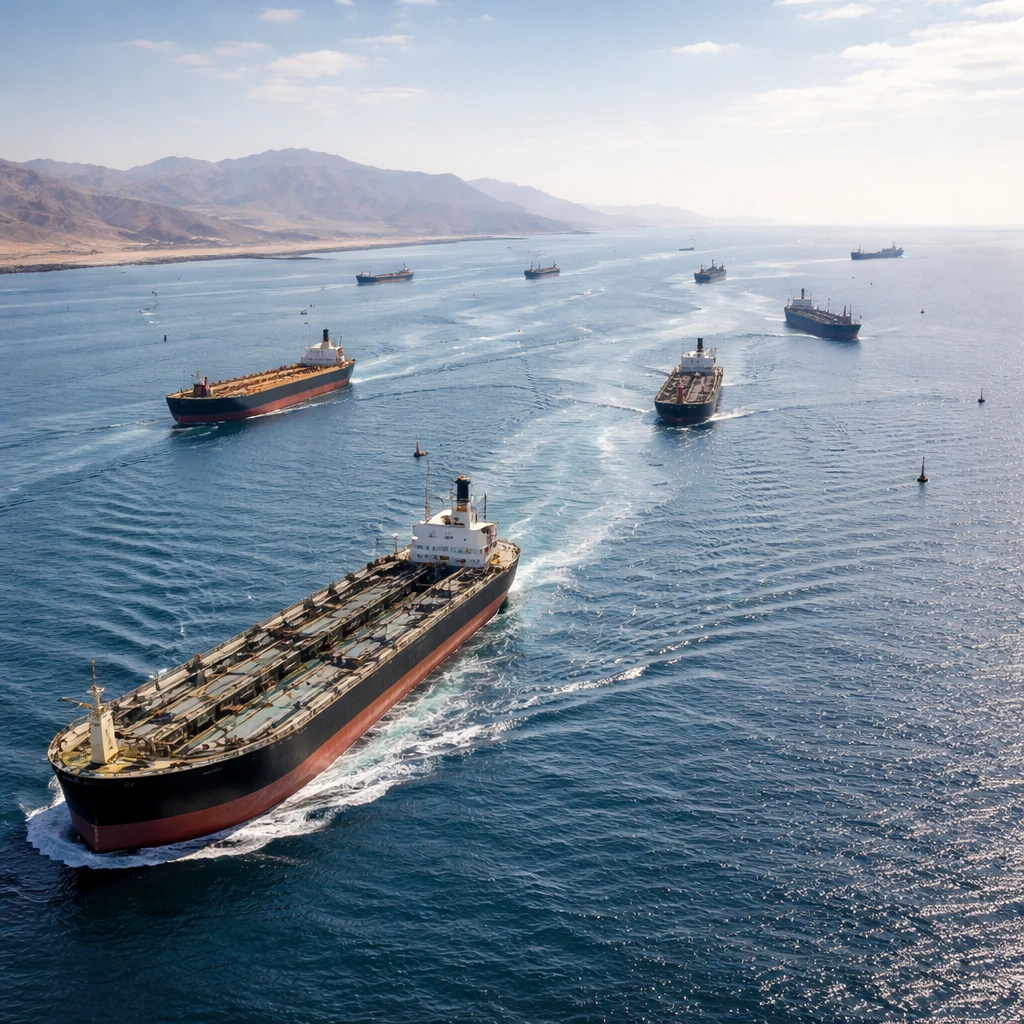
The Strait of Hormuz is identified in official commentary as a critical maritime corridor for global oil shipments. It connects the Persian Gulf with the Gulf of Oman and the Arabian Sea, making it a significant route for energy transport.
Implications set out by the statement
The public notice from the Treasury set out a clear enforcement posture: parties that help implement or enable a tolling arrangement for transit through the strait could be targeted by U.S. Treasury measures and face penalties. The remarks named Oman as the focus of the warning but specified that the measures would apply to any entity or partner involved in facilitating tolls, whether their role is direct or indirect.
Conclusion
The Treasury’s statement articulated a firm rejection of any attempt to impose tolls in the Strait of Hormuz and signaled a readiness to use Treasury authorities to impose penalties on those who would assist such a scheme. The statement also reiterated the strait’s role as a conduit for global oil shipments, connecting the Persian Gulf, the Gulf of Oman and the Arabian Sea.