
Overview
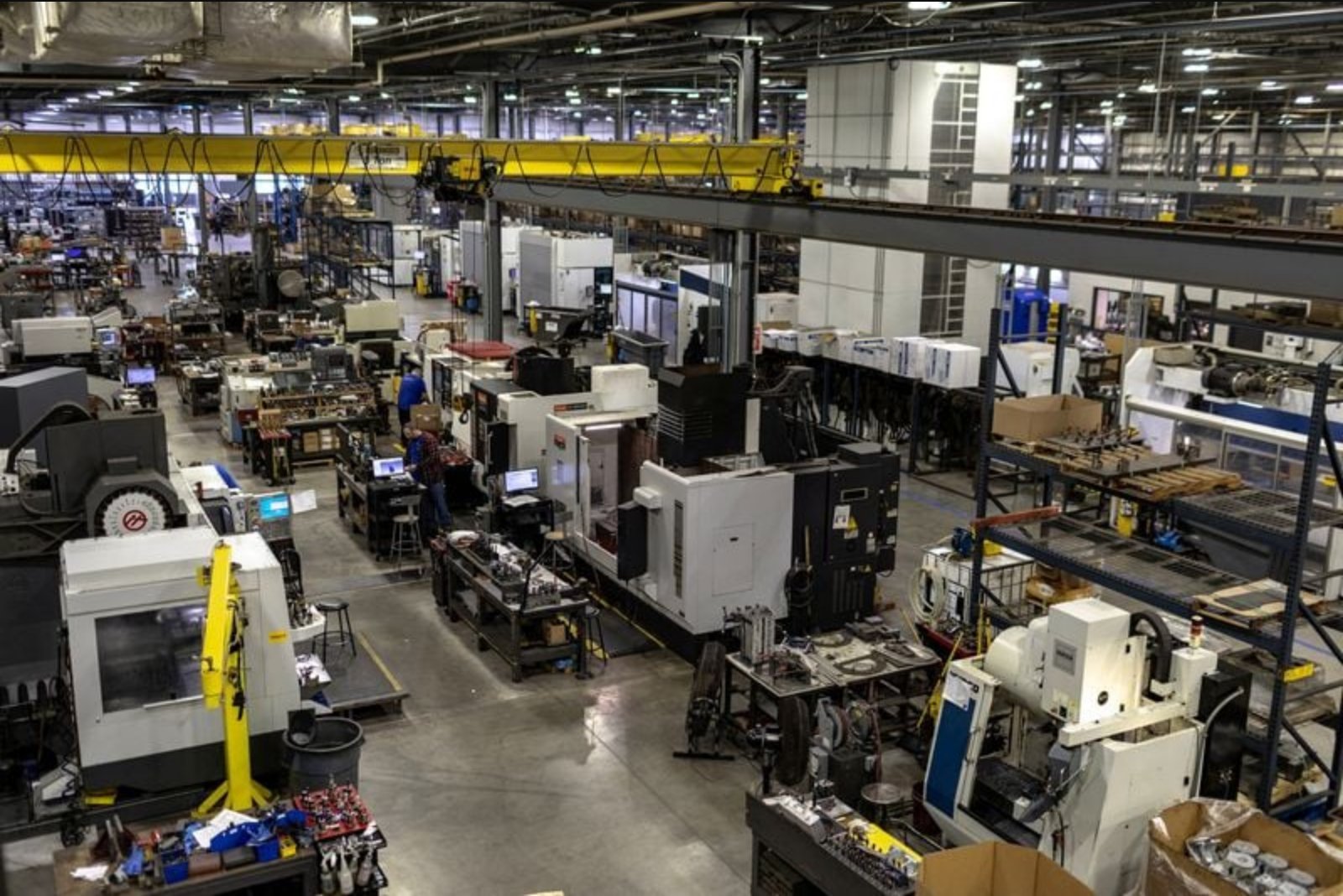
U.S. manufacturing expanded in May at the strongest pace in four years, according to the Institute for Supply Management (ISM). The ISM's manufacturing purchasing managers index (PMI) climbed to 54.0 last month from 52.7 in April, a level that signals continued sector growth and marks the highest reading since May 2022. A PMI above 50 denotes expansion; manufacturing represents about 9.4% of the U.S. economy.
Orders and demand
The ISM attributed much of the activity to firms bringing forward orders, a response to rising input costs and shortages related to the conflict with Iran. The survey's new orders subindex rose to 56.8 in May from 54.1 in April. Backlogs of orders increased alongside a rise in exports, underscoring stronger demand even as companies grapple with logistical challenges.
Supply chain and deliveries
Supplier deliveries remained at a high reading of 60.6, unchanged from April. In ISM terminology, a reading above 50 indicates slower deliveries, signaling continued strain on supply chains. These pressures had been aggravated by last year's sweeping tariffs on imports, which were struck down in February by the U.S. Supreme Court. The Trump administration has responded with new duties and defended those tariffs as necessary to revive the domestic industrial base.
Price pressures
Factory-gate prices continued to rise in May, although the pace eased slightly from the prior month. The ISM's prices paid index for inputs fell to 82.1 from 84.6 in April; that April reading had been the highest since April 2022. The May outcome was also below economist forecasts that had called for a reading near 85.0. The ISM highlighted that the conflict is driving up prices and that inflationary effects are spilling beyond energy into other goods.
Broader inflation and interest-rate expectations
Separately, government data reported last week showed inflation accelerated at its fastest pace in three years in April. That surge in inflation, which erodes household purchasing power, has reinforced market expectations that the Federal Reserve will maintain its benchmark overnight interest rate in the 3.50%-3.75% range into next year.
Employment in manufacturing
Despite the pickup in orders, factory hiring remained muted. The ISM's manufacturing employment index recorded its 32nd consecutive month of contraction after a brief expansion in September 2023. The survey noted that firms are generally managing head counts through layoffs, attrition and not backfilling positions, rather than adding staff. Overall, manufacturing employment has fallen by about 77,000 jobs since January 2025.
Context within the sector
ISM data indicate manufacturing has expanded for five straight months, with part of the momentum tied to increased spending on artificial intelligence initiatives. At the same time, the sector continues to face supply disruptions and elevated input costs stemming from geopolitical tensions that have affected shipping routes and commodity availability.
Data snapshot
- ISM manufacturing PMI: 54.0 in May, up from 52.7 in April
- New orders index: 56.8 in May, up from 54.1 in April
- Supplier deliveries: 60.6 in May, unchanged from April (a reading above 50 indicates slower deliveries)
- Prices paid index: 82.1 in May, down from 84.6 in April
- Manufacturing employment index: 32nd straight month of contraction
Takeaway
May's ISM report shows a manufacturing sector that is growing in output and orders but doing so under the weight of supply-chain delays, high input costs and a continued reluctance to expand payrolls. These mixed signals point to resilient demand in some parts of the industrial economy even as inflation and labor dynamics create headwinds.