
The U.S. Treasury Department announced on Wednesday that it had placed Iran's Persian Gulf Strait Authority - known as the PGSA - on the Office of Foreign Assets Control list of sanctioned entities, pointing to links between the PGSA and Iran's Islamic Revolutionary Guard Corp.
The designation applies sanctions designed to affect shipowners who organize transits with the PGSA or who remit tolls or fees to the organization. The Treasury statement framed the action as a response to the PGSA's role in Tehran's recent moves to assert control over the Strait of Hormuz.
Iran established the PGSA in early-May as a vehicle to formalize its authority over movement through the strait. In outlining the jurisdiction it claims, Tehran set the corridor stretching from the port of Umm Al Quwain in the United Arab Emirates through to Kuh-e Mobarak in Iran.
The U.S. decision followed public comments by President Donald Trump dismissing Iranian state media reports that Tehran had received an unofficial draft agreement that would permit Iran and Oman to jointly manage maritime traffic through the strategic waterway. The draft framework described in those reports would have allowed commercial shipping to return to pre-war volumes within a month, according to the state media reporting.
President Trump pushed back on the premise that Iran and Oman could exercise control over the passage, reiterating that the Strait of Hormuz is international waters and remains open to all.
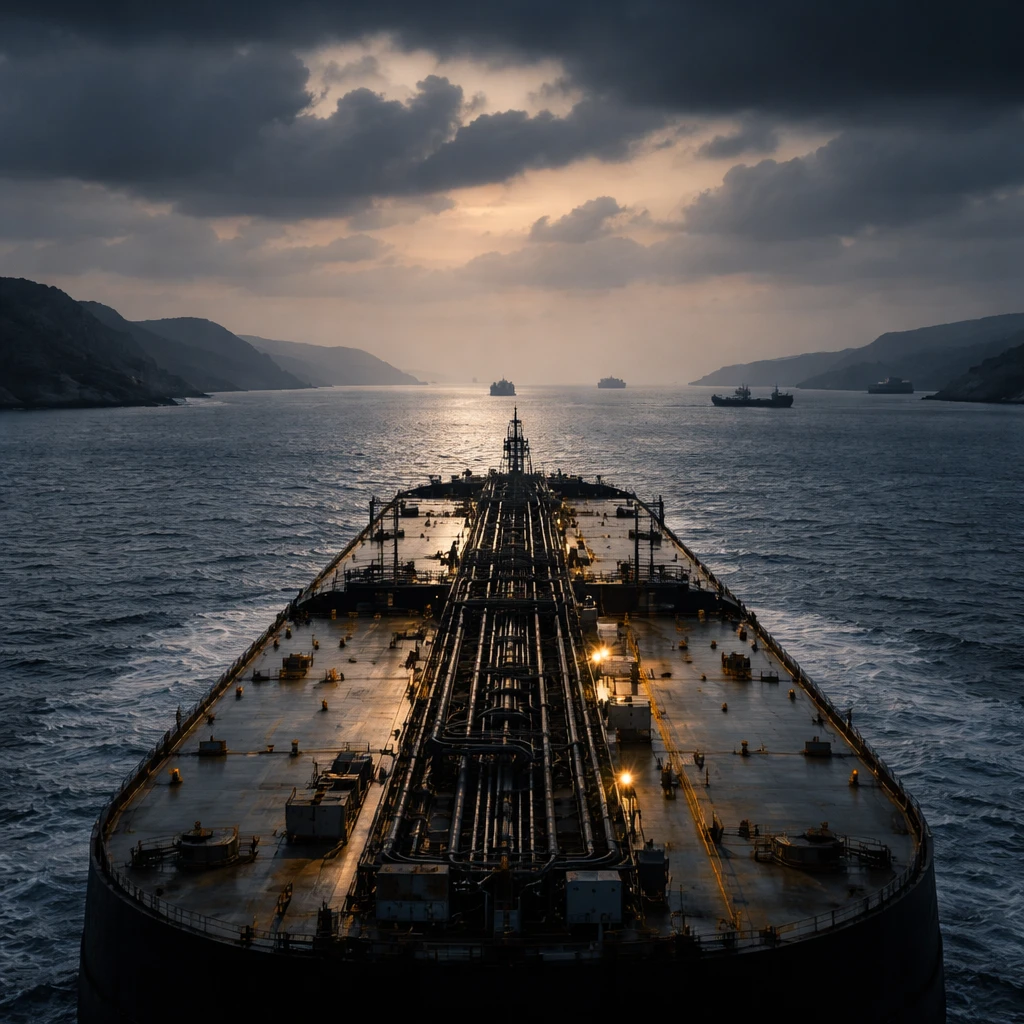
The status of Hormuz has been a central flashpoint in the recent conflict. Tehran has effectively blocked transit through the strait since the onset of open hostilities with the United States and Israel in late-February. That disruption affected roughly one-fifth of global oil supplies and contributed to sharp increases in oil prices. Beyond crude markets, the interruption to shipping through Hormuz has produced broader economic dislocations around the world.
Efforts to reach a near-term agreement to reopen the strait appeared unlikely at the time of the sanctions. The two countries re-engaged in open hostilities in the week preceding the Treasury action, trading air strikes and eroding the fragile ceasefire that had been established in early April.
Summary: The PGSA has been designated by the U.S. Treasury as a sanctioned entity because of links to the Islamic Revolutionary Guard Corp. Sanctions specifically target shipowners that coordinate transits with or pay fees to the PGSA. Iran created the PGSA to formalize control of passage through the Strait of Hormuz, asserting authority from Umm Al Quwain in the UAE to Kuh-e Mobarak in Iran. The action follows disputed reports about a draft Iran-Oman agreement to jointly manage traffic through Hormuz and comes amid renewed hostilities that have kept the waterway effectively closed since late-February, disrupting an estimated one-fifth of global oil supplies and raising prices.