
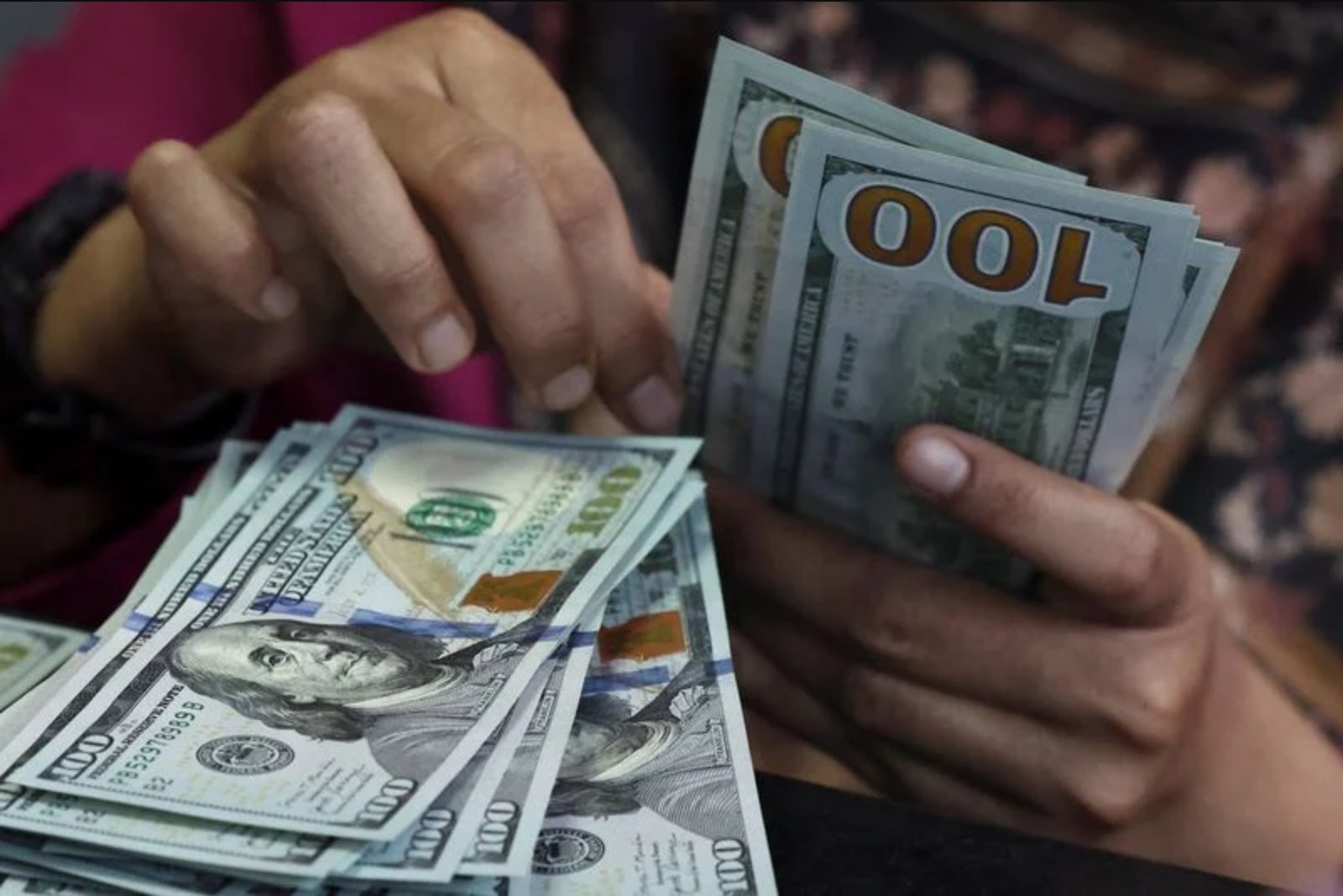
On Monday, currency markets saw the U.S. dollar hovering close to a two-month high. This strength follows the release of a highly impactful U.S. jobs report that has led market participants to recalibrate their expectations regarding the Federal Reserve's monetary policy trajectory for the remainder of the year.
The labor data revealed that nonfarm payrolls increased by 172,000 in the most recent month, a figure that surpassed previous estimates. This unexpected strength in the labor market is being viewed against the backdrop of an ongoing energy price shock. According to Jonas Goltermann, chief markets economist at Capital Economics, the report suggests a strengthening U.S. labor market despite current energy-related pressures. This economic combination has led to increased probability for policy tightening by the Federal Reserve. Specifically, expectations have shifted toward the FOMC delivering two 25-basis-point rate hikes later this year in response to both the re-acceleration of the labor market and the energy supply shock.
Currency Market Reactions
The resurgence of the dollar has had a widespread impact across global currency pairs. Key movements include:
- Euro: The euro declined to a two-month low, reaching $1.1507 against the dollar.
- Sterling: British sterling struggled, hitting a three-week trough at $1.33165.
- Australian and New Zealand Dollars: Both currencies slid to their lowest levels in two months, with the Australian dollar at $0.7016 and the New Zealand dollar at $0.5779.
Prior to the employment data, market participants had already been incrementally increasing bets on a Fed rate hike, driven by concerns that the global energy crisis linked to the Iran war could fuel inflation. Data from the CME FedWatch tool indicates that markets are now pricing in a greater than 70% chance of a rate hike in December, which is a significant increase from the 45% probability recorded just one week ago.
The Yen and Japanese Monetary Policy
The strengthening dollar has also created significant headwinds for the Japanese yen, which was trading at 160.29 per dollar. This movement effectively erases the gains seen following Tokyo’s 11.7 trillion yen ($73.01 billion) intervention roughly one month ago, when the currency had fallen to 160.725, its lowest level since July 2024.
David Meier, an economist at Julius Baer, noted that the yen is under pressure due to a persistent interest rate disadvantage. While other central banks have moved toward more hawkish stances, the Bank of Japan has been slower to normalize its policy. Although recent interventions provided some temporary relief for authorities, the long-term outlook for the yen remains heavily dependent on future monetary policy actions. Sources indicate that the Bank of Japan is expected to implement interest rate hikes this month, provided there is no sharp escalation in Middle East conflicts that could disrupt market stability.
Geopolitical Context and Cryptocurrency Trends
The economic landscape is also being shaped by geopolitical developments. Reports from Axios indicated that U.S. President Donald Trump stated he would advise Israeli Prime Minister Benjamin Netanyahu against a retaliatory strike following Iran's missile attack on Israeli targets, which occurred in response to an attack near Beirut.
In the digital asset markets, bitcoin showed signs of recovery, rising more than 1% to $62,838.60 after hitting its lowest point since October 2024 during the previous week. Ether also saw gains, rising over 3% to reach $1,680.87, following a recent dip to a 14-month low. Despite these rebounds, bitcoin has faced challenges since the start of the year, as capital has been drawn toward booming AI stocks and high-profile upcoming listings such as SpaceX.