
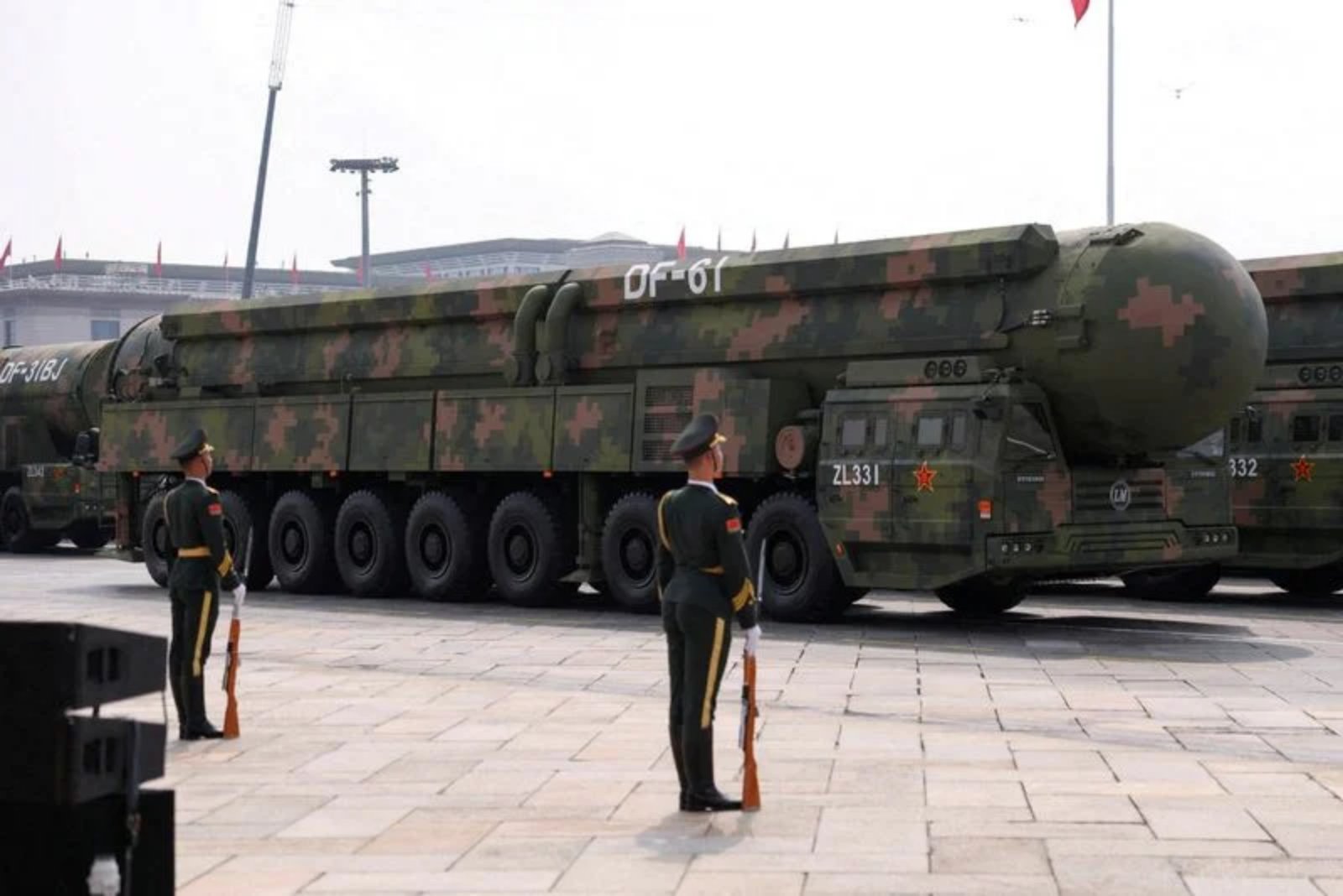
Speaking at the prestigious Shangri-La Dialogue in Singapore, a forum designed for high-level discussions among military leaders, diplomats, and defense officials, U.S. Defense Secretary Pete Hegseth delivered a pointed message regarding the shifting security landscape in Asia. The Pentagon chief expressed what he described as "rightful alarm" concerning the significant and rapid military buildup currently being undertaken by China. He warned that such an expansion of military activity, both within the region and globally, threatens to disrupt the established balance of power.
Hegseth argued that a Pacific region dominated by a single hegemon would lead to the unraveling of regional stability. He asserted that no nation, including China, should be permitted to impose hegemony in a way that compromises the security or economic prosperity of the United States or its allied nations. To counter these trends, Hegseth advocated for a more robust and self-reliant network of partners, suggesting that true deterrence requires strength through collective capability rather than just diplomatic discussion. He summarized this need with the directive: "Less Shangri-La, more ships, more subs," indicating that practical defense assets are more critical to regional stability than conference dialogues.
Key Economic and Strategic Drivers
The Secretary's address highlighted several critical shifts in defense policy and economic expectations for allied nations:
- Increased Defense Spending Targets: The United States is signaling a clear expectation that its Asian partners increase their defense spending to 3.5% of their respective Gross Domestic Products (GDP). This comes as the U.S. moves forward with its own $1.5 trillion military investment plan.
- Shift Toward Allied Self-Reliance: Echoing the stance of President Donald Trump, Hegseth emphasized that the era of the United States subsidizing the defense costs of wealthy nations has ended. He stated that the U.S. seeks partners rather than "protectorates," insisting that all members of an alliance must have "skin in the game" to avoid what he termed "freeloading."
- Regional Defense Contributions: Hegseth acknowledged various nations for their contributions, specifically naming South Korea, the Philippines, Australia, Singapore, Malaysia, and Thailand. He also noted that Japan is taking active steps to strengthen its defense posture, adding that both Tokyo and Washington must contribute their fair share to bolster the U.S.-Japan alliance.
Market Impact: These developments suggest significant long-term implications for the global defense industry and sovereign debt markets. Increased GDP allocations toward military spending could drive sustained demand for aerospace, maritime, and advanced technology sectors. Conversely, the pressure on allied nations to increase spending may impact their fiscal balances and capital allocation priorities.
Diplomatic Relations and Global Conflict Management
Despite the warnings regarding China, Hegseth maintained a measured perspective on direct U.S.-China relations. He noted that communication between the two powers is better than it has been in many years, largely due to more frequent military-to-military engagements which serve to manage existing tensions. This sentiment was partially echoed by Zhou Bo, a senior fellow at Tsinghua University and a retired People’s Liberation Army senior colonel present during the dialogue. Zhou described the relationship as "complicated" but noted that Hegseth's tone this year was notably better than in previous years, attributing this shift to President Trump’s recent visit to China. Zhou also suggested that the current state of communication is not as extreme as some external observers might claim.
Regarding the ongoing conflicts in the Middle East, Hegseth signaled a readiness to act if diplomatic efforts regarding Iran fail. He stated that the United States remains capable of resuming strikes on Iran if necessary, even as negotiators attempt to resolve the differences preventing a deal. He noted that President Trump is seeking a "strong deal" to prevent Iran from acquiring nuclear weapons and remains patient in the process. The President is expected to meet with advisers soon to reach a final determination on a proposal aimed at ending the Iran war. When asked if Middle East tensions might divert attention from Asia-Pacific priorities, Hegseth responded that the U.S. can manage both simultaneously.
Risks and Uncertainties
The current geopolitical climate presents several specific areas of uncertainty:
- Arms Sales and Policy Continuity: There is notable uncertainty regarding a potential $14 billion arms sale to Taiwan. While Hegseth downplayed concerns that Middle East conflicts might deplete U.S. stockpiles, he clarified that the final decision on such sales rests entirely with President Trump. This follows recent comments from Trump expressing indecision on the package following his meeting with Chinese President Xi Jinping.
- Geopolitical Volatility: The tension between the need for "disciplined strength" and the desire to avoid escalation remains a primary risk. While allies seek stability, the push for increased military capability is framed by the U.S. as a necessity for maintaining order, creating a complex environment for regional security.
Market Impact: Uncertainty regarding arms sales can lead to volatility in defense contractor stocks and influence trade relations between the U.S., Taiwan, and China. Furthermore, the potential for renewed military action in the Middle East introduces risks to global energy markets and general market sentiment due to the possibility of sudden geopolitical shifts.