
The United States is currently evaluating a strategy to repurpose Iranian assets to finance the reconstruction of infrastructure within Gulf ally nations. This move follows recent attacks attributed to Tehran that have resulted in damage across the region, according to reports citing sources familiar with the matter.
Treasury Secretary Scott Bessent has reportedly issued directives to government officials to begin an assessment of the specific damages sustained by U.S. partners located in the Gulf. The primary objective of this assessment is to determine whether frozen Iranian assets could be utilized as a mechanism to fund future repair projects and broader reconstruction efforts in the affected areas.
Key Developments and Market Implications
The discussion regarding the use of these funds follows a period of heightened military activity. Specifically, attacks targeting Kuwait and Bahrain occurred just one day prior to the emergence of this proposal, further complicating the geopolitical landscape despite ongoing attempts to negotiate an interim peace agreement between Washington and Tehran.
Key Points:
- Asset Redirection as Reconstruction Funding: The U.S. is exploring the use of Iranian-linked capital to offset the costs of repairing infrastructure in the Gulf.
- Escalating Regional Tensions: Recent military exchanges have included U.S. Central Command striking Iranian radar installations on Qeshm Island and in Goruk after intercepting drones that threatened maritime traffic in the Strait of Hormuz. In response, Iran's Revolutionary Guard targeted U.S. military bases in Kuwait and Bahrain with ballistic missiles.
- Negotiation Stalemates: Diplomatic progress remains stalled. While Pakistan has attempted to mediate by sending Interior Minister Mohsin Naqvi to Tehran with a letter for Supreme Leader Mojtaba Khamenei, the core issues of asset release and sanctions relief remain unresolved.
Market and Economic Sectors Impacted:
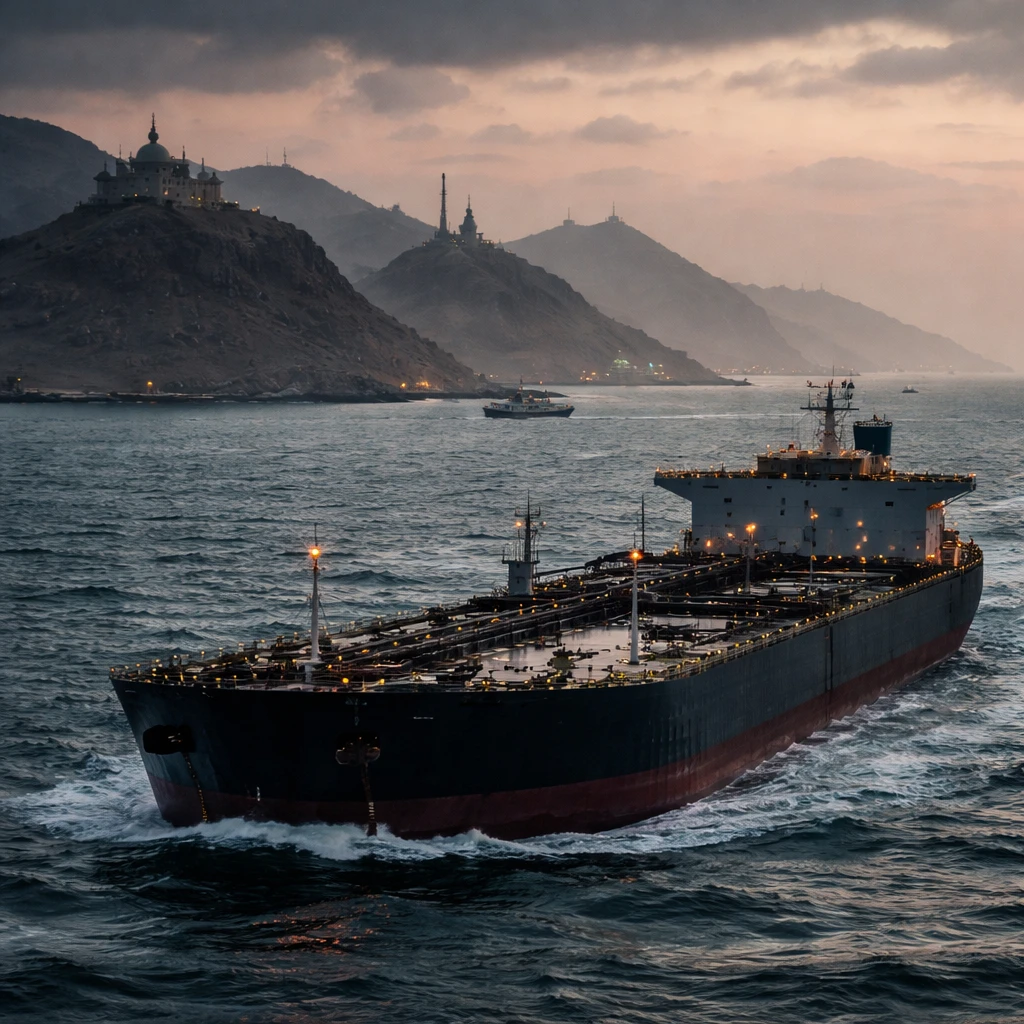
The ongoing volatility primarily impacts the energy sector and global shipping industries. Disruptions in the Strait of Hormuz - a vital corridor for global crude exports - have contributed to upward pressure on energy prices and have created supply chain complications across various industrial sectors.
Risks and Economic Uncertainties
The current geopolitical situation presents several critical uncertainties that could influence long-term capital allocation and market stability:
- Fragility of Ceasefire Negotiations: There are significant concerns regarding the durability of the fragile ceasefire between Washington and Tehran. The conflict, which began in late February, remains unresolved as parties struggle over issues like shipping access through the Strait of Hormuz and sanctions relief.
- Asset-Related Diplomatic Deadlocks: A major hurdle in peace negotiations is the status of Iranian funds. An adviser to Iran’s Supreme Leader has stated that any potential peace agreement would necessitate the release of $24 billion in Iranian assets currently frozen by the United States. Conversely, the U.S. continues to push for broader security guarantees.
- Physical Security and Property Damage: Military strikes continue to pose direct risks. In Kuwait, the army reported intercepting missiles that passed over residential zones; while no casualties were reported, property damage occurred. Similarly, Bahrain activated emergency sirens and instructed residents to seek shelter during recent attacks.
As Iran seeks relief regarding oil export restrictions and access to its overseas revenue, the standoff continues to influence both regional security and the global energy market's supply outlook.