
Economy June 17, 2026 05:00 AM

U.S. Commits $800 Million to World Food Programme After Earlier Cuts

Funding expected to boost pre-positioning, cash assistance and supply chains in Lebanon, Haiti and DRC as global hunger rises

By Maya Rios
Share
Twitter Reddit Facebook LinkedIn

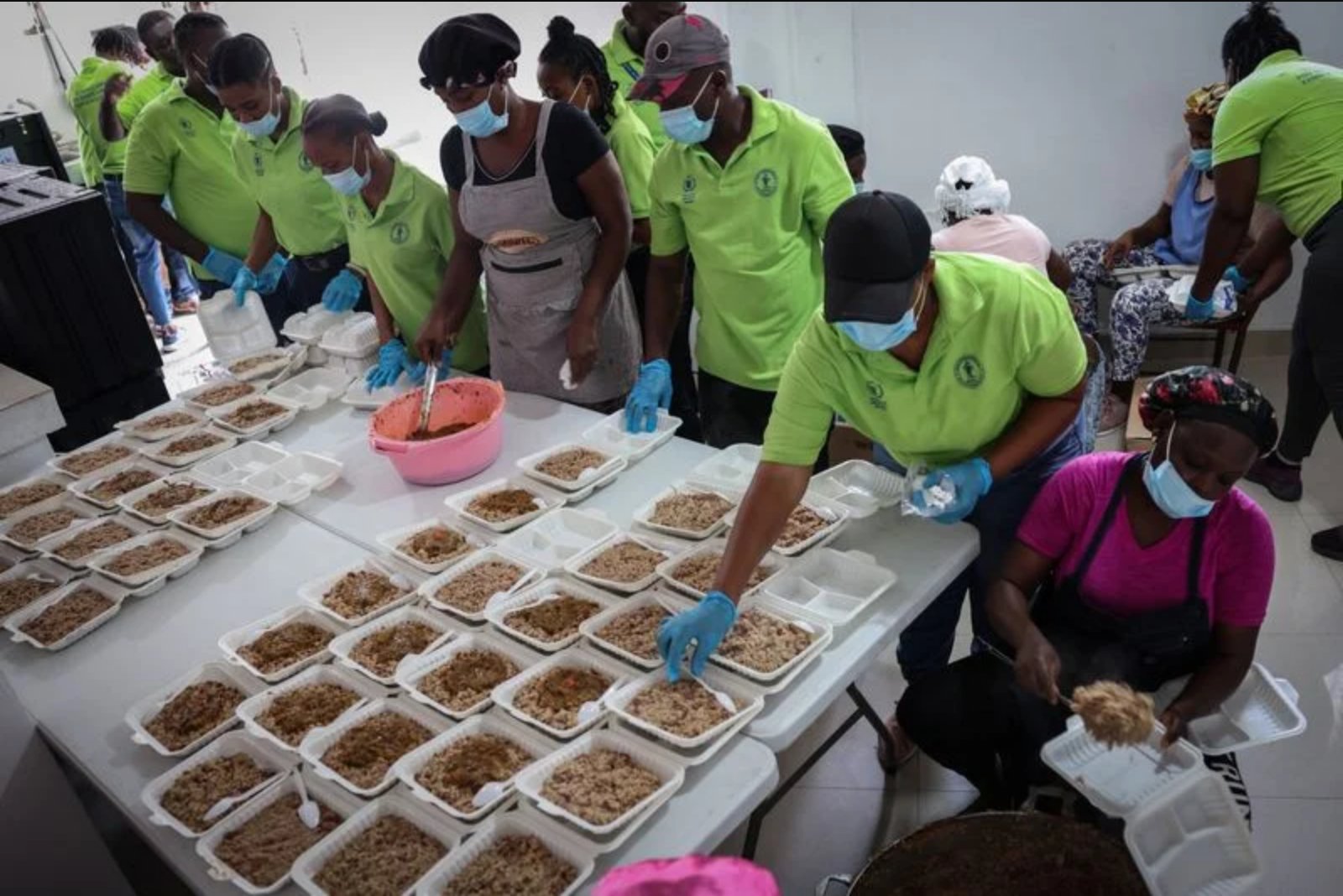
The United States has provided an $800 million contribution to the United Nations World Food Programme, replenishing funds after prior cuts and enabling the agency to expand food pre-positioning, cash-based assistance and sustain logistics in crisis-affected countries. The move comes amid record global hunger and a projected increase in the number of people facing acute food insecurity.

U.S. Commits $800 Million to World Food Programme After Earlier Cuts
Summarize with
ChatGPT Perplexity Claude Grok Gemini

Key Points

  • The United States contributed $800 million to the World Food Programme to bolster emergency response and scale assistance.
  • WFP will use funds to pre-position food, expand cash-based support and sustain supply chains in crisis-hit countries including Lebanon, Haiti and the Democratic Republic of Congo - affecting humanitarian operations and logistics sectors.
  • U.S. aid to the UN has declined sharply between 2024 and 2025, illustrating volatility in government humanitarian funding that impacts NGOs, aid-dependent markets and global food assistance programs.

Rome, June 17 - The United Nations World Food Programme (WFP) said on Wednesday it has received an $800 million contribution from the United States, a move the agency said will help scale up relief efforts and allow for rapid responses to new crises during a period of record global hunger.

The WFP said the funding follows cuts to U.S. aid under President Donald Trump’s administration. While the United States remains the WFP’s largest donor, the agency noted U.S. contributions more than halved from 2024 to roughly $2 billion in 2025.

Officials at the WFP indicated the $800 million will be used to pre-position food supplies, broaden cash assistance programs and keep supply chains functioning in areas suffering acute crises. The agency specifically highlighted operations in Lebanon, Haiti and the Democratic Republic of Congo as places where sustained logistics and funding are critical to delivering aid.

The WFP framed the contribution as timely given that global hunger has reached record levels and that the number of people confronting acute hunger is expected to rise this year.

More broadly, the United States has historically been the world’s largest humanitarian donor, but U.S. contributions have fluctuated markedly in recent years amid changing foreign aid priorities. The WFP pointed to a wider decline in U.S. funding to the United Nations in 2025, when U.S. humanitarian assistance to the UN fell to about $3.38 billion from $14.1 billion a year earlier after substantial spending cuts.

Separately, the U.S. State Department announced $218 million in assistance to the U.N. children’s agency UNICEF on Tuesday.

The WFP is currently operating under interim leadership while the United States seeks to nominate another American to head the agency, following the resignation of Cindy McCain on health grounds.


Key context and implications

  • The new U.S. contribution is intended to increase readiness and flexibility for emergency food responses.
  • Maintaining supply chains and cash assistance is central to delivering aid in Lebanon, Haiti and the Democratic Republic of Congo.
  • Shifts in U.S. humanitarian funding levels have materially affected UN aid receipts between 2024 and 2025.

Risks

  • Volatility in U.S. humanitarian contributions - U.S. funding levels have fluctuated sharply, which could disrupt planning and cash flow for aid operations across humanitarian and logistics sectors.
  • Operational uncertainty from leadership change at the WFP - the agency is under temporary leadership while a new U.S. nominee is sought, which could affect strategic decisions and stakeholder coordination.
  • Rising humanitarian need - record global hunger and an expected increase in people facing acute hunger this year could strain supply chains, humanitarian budgets and aid delivery capacity in affected regions.

More from Economy

Israeli Airstrikes Hit Southern Lebanon as US Voices Concern Jun 17, 2026 Bank of America Sees Two BoE Hikes in 2026 as Energy Costs Cloud Outlook Jun 17, 2026 ECB wage tracker signals cooling negotiated pay despite war-driven inflation spike Jun 17, 2026 G7 Urges Ceasefire in Lebanon as Leaders Endorse U.S.-Iran Framework Ahead of Switzerland Signing Jun 17, 2026 PBOC tightens short-term rate control, raises prospect of overnight rate becoming policy anchor Jun 17, 2026