
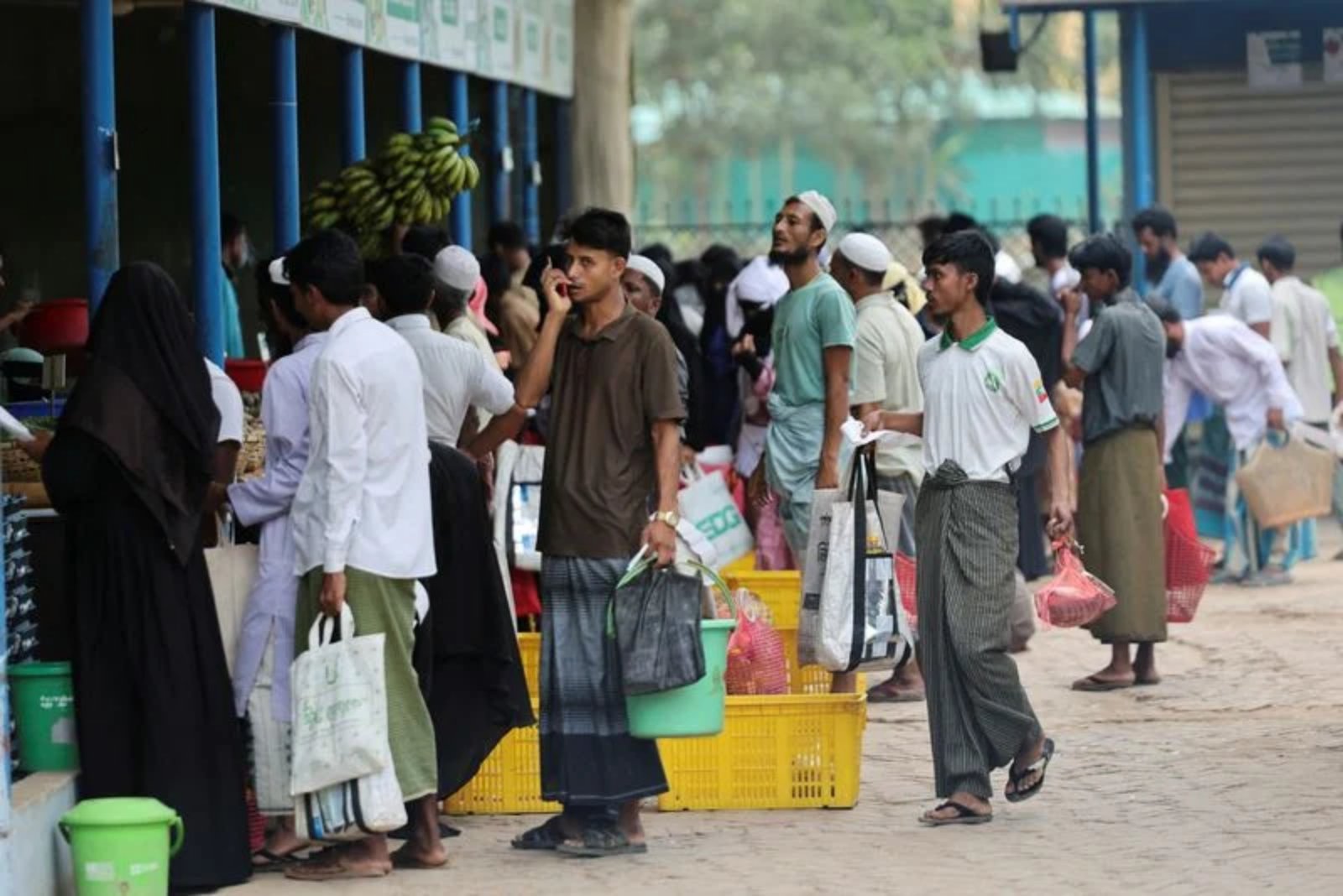
The U.N. refugee agency on Tuesday issued a stark warning that declining international aid could sharply worsen living conditions for about 1.2 million Rohingya refugees living in Bangladesh nearly nine years after a mass exodus from Myanmar. Aid organizations are struggling to keep up with basic services as global crises compete for limited donor resources and government budgets tighten.
UNHCR officials highlighted the additional pressure since early 2024 when about 150,000 Rohingya arrived in Bangladesh fleeing renewed violence in Myanmar. At the same time, the U.S. and certain European countries have reduced their contributions to international aid programs in recent years, increasing the strain on humanitarian responses.
In late May, the United Nations together with the Bangladesh government launched an appeal seeking $710.5 million to finance food, shelter, healthcare, education and protection services for Rohingya refugees. That appeal is already 26% smaller than the previous year’s request and, at present, is roughly 60% funded. UNHCR said the funding gap illustrates mounting financial pressure on the relief effort.
U.N. agencies noted the timing of the appeal comes ahead of the ninth anniversary of the August 2017 military crackdown in Myanmar’s Rakhine State that prompted roughly 750,000 Rohingya to flee to Bangladesh. Despite prolonged assistance from the international community, conditions inside the camps remain fragile and overcrowded.
Camp residents face ongoing threats from extreme weather, disease and insecurity, while access to basic services is limited. With few opportunities for formal employment or education, refugees depend heavily on aid. Recent reductions in food rations have intensified hardship, particularly among vulnerable groups such as women, children, the elderly and people with disabilities.
UNHCR warned that, as conflict in Myanmar continues, safe, voluntary returns are unlikely in the near term. Growing desperation has driven some Rohingya to attempt dangerous sea crossings toward Malaysia and Indonesia. The agency reported that nearly 900 people were missing or dead in 2025, making it the deadliest year recorded for such journeys.
Pointing to the cumulative impact of funding shortfalls and ongoing displacement, UNHCR urged the international community to sustain support for Rohingya refugees until conditions allow for returns that are safe and dignified. Without continued donor backing, the agency cautioned, conditions in the camps could deteriorate further and services that protect health, food security and basic education may be reduced.
Context and outlook:
- The humanitarian appeal for $710.5 million targets food, shelter, healthcare, education and protection services.
- The appeal is about 60% funded and is 26% smaller than last year’s request.
- Approximately 150,000 Rohingya have arrived since early 2024, adding to a population of roughly 1.2 million refugees in Bangladesh.