
Ukraine has emerged as a pivotal provider of counter-unmanned aerial systems (UAS) expertise and related defense equipment, driven by several years of direct experience combating Iranian-designed drones on its own battlefields. That operational background has made Kyiv an increasingly attractive source of both technology and know-how for Western and Gulf partners, according to reporting published Saturday.
Over the past four years, Ukraine's sustained fight against Iranian-style drone hardware has given it practical insights into intercepting and defeating these platforms. Those lessons are now being exported through diplomatic outreach, industrial initiatives and software exports, shifting the country’s role from aid recipient to active contributor to international security.
In recent months President Volodymyr Zelensky has undertaken multiple diplomatic visits to Gulf states, and Kyiv has deployed specialized teams of roughly 200 troops to the region to demonstrate domestically developed drone-interception systems. These demonstrations have led to preliminary agreements for local investment and the possibility of defense co-production with Gulf partners.
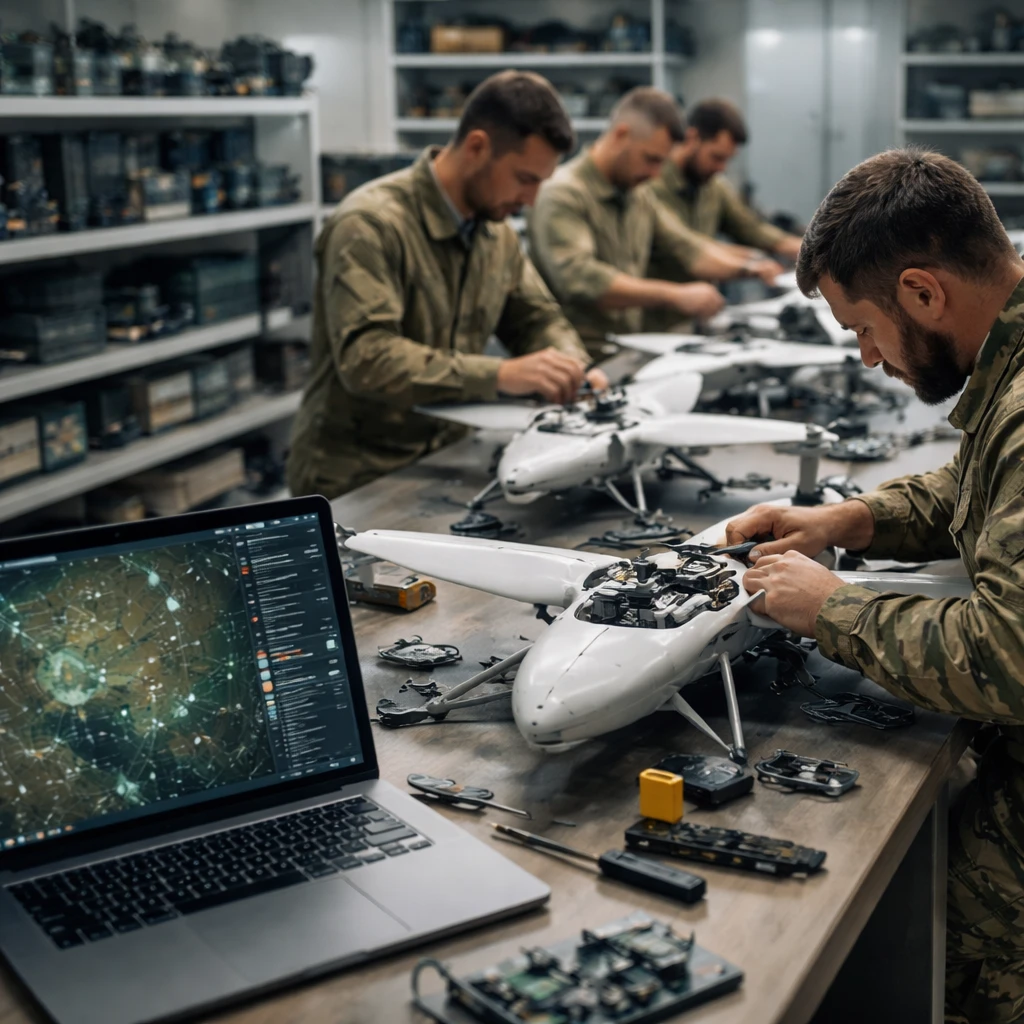
Concurrently, Ukraine has established drone-manufacturing facilities across Europe earlier this year. Western European militaries are also adopting Kyiv’s Delta battlespace management software as part of efforts to modernize real-time command and control structures.
These advances are unfolding amid broader trans-Atlantic shifts that are reshaping European defense planning. The sudden withdrawal of thousands of American troops from European bases has prompted regional officials to place a higher value on Ukrainian technological contributions as elements of the continent’s long-term defense architecture. To stabilize frontline support, the European Union finalized a $105 billion package in April to fully fund Ukraine’s defensive needs through next year.
At the same time, the widening conflict in the Middle East has introduced separate industrial and macroeconomic challenges for Kyiv. Intense missile exchanges in the Gulf have consumed a significant share of U.S.-made missile interceptors, creating long-term supply constraints for systems such as the Patriot.
Rising global oil prices have also eased some economic pressure on Moscow by increasing Russian energy revenues. In response, Ukraine has stepped up long-range strikes aimed at Russian oil ports and processing pipelines, employing low-cost, mass-produced domestic drones to target energy infrastructure ahead of the winter season.
Context and implications
The combination of battlefield-tested counter-UAS tactics, exportable hardware, software integration and targeted diplomatic outreach has produced a notable shift in how allies source drone-defense capabilities. At the same time, pressures from the Middle East conflict and energy market movements are reshaping supply chains, weapons inventories and strategic priorities.